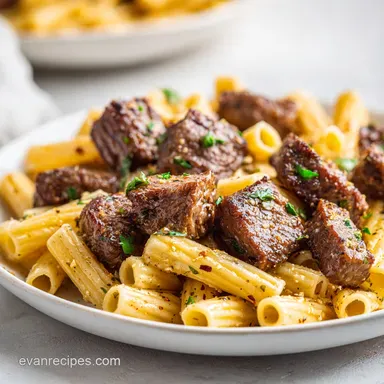
One Skillet Spicy Garlic Butter Parmesan: Velvety and Hearty

- Time: 10 min active + 20 min cook = Total 30 minutes
- Flavor/Texture Hook: Savory, velvety sauce with a deep mahogany steak crust
- Perfect for: Busy weeknights, family-friendly hearty meals, and one pan cleanup
- One Skillet Spicy Garlic Butter Parmesan
- Common Mistakes With This Pan
- Component Analysis
- Choosing Your Best Ingredients
- The Right Cooking Tools
- Step By Step Cooking Process
- Fixing Common Pasta Problems
- Troubleshooting Common Issues
- Smart Swaps And Scaling
- Storage And Reheating Tips
- Best Sides And Pairings
- Recipe FAQs
- 📝 Recipe Card
One Skillet Spicy Garlic Butter Parmesan
Ever wonder why restaurant pasta feels so much "silkier" than the stuff we make at home? For the longest time, I thought it was just about adding mountains of butter. Then I tried this method of simmering the noodles right in the cooking liquid.
The first time I did it, the smell of the garlic and beef broth hitting the heat was so intense it actually brought my kids into the kitchen before I even had the pan covered.
You'll love this delicious One Skillet Spicy Garlic Butter Parmesan Steak Pasta. It's the kind of meal that feels fancy enough for a date night but is simple enough to whip up when you've only got 30 minutes between work and bedtime.
I've spent a lot of time figuring out how to get that steak crust without overcooking the middle, and the trick is all in the heat of the pan.
This dish is all about big, bold flavors. We're talking about the sharp tang of parmesan, the warmth of paprika, and a kick of cayenne that wakes up the whole plate. Since everything happens in one pan, the steak juices stay in the dish, meaning every single piece of pasta is coated in that rich, savory gold.
It's hearty, satisfying, and won't leave you with a sink full of pots.
Common Mistakes With This Pan
Most people treat a one pan pasta like a soup, but that's where they go wrong. If you don't sear the meat properly first, you end up with grey, steamed steak that has zero texture. You need that loud sizzle at the start to create a crust, which is where the deep flavor lives.
If you crowd the pan, the temperature drops, the meat releases moisture, and you're basically boiling your steak.
The Starch Secret: Cooking the pasta in the broth releases natural starches that act as a thickener. This is what turns a thin liquid into a velvety sauce without needing a roux or flour.
The Heat Balance: Adding the cheese while the pan is screaming hot will cause the fats to separate, leaving you with an oily mess. Turning the heat to low before stirring in the parmesan ensures the sauce stays smooth and creamy.
Liquid Control: If you use too much broth, the pasta gets mushy. The goal is for the noodles to absorb most of the liquid, leaving just enough to create a thick glaze that clings to the steak and pasta.
Before we get into the ingredients, it's helpful to see how this compares to other methods. While some people prefer the oven for steak, the stovetop is king for this specific recipe.
| Method | Time | Texture | Best For |
|---|---|---|---|
| Stovetop (One Pan) | 30 mins | Velvety & Integrated | Weeknight speed |
| Oven Finished | 45 mins | Precise Doneness | Gourmet dinner |
| Separate Pots | 40 mins | Lighter Sauce | Traditional style |
Component Analysis
Understanding why these specific ingredients are used helps you make better choices when you're staring at a near empty fridge. It's not just about the taste, it's about how they interact in the pan.
| Ingredient | Science Role | Pro Secret |
|---|---|---|
| Sirloin Steak | Protein Base | Pat it bone dry for a better sear |
| Beef Broth | Flavor & Hydration | Low sodium lets you control the salt |
| Parmesan Cheese | Emulsifier/Salt | Use freshly grated for a smoother melt |
| Unsalted Butter | Fat & Flavor | Use it to toast the garlic and paprika |
Choosing Your Best Ingredients
I'm a big believer in using what you have, but a few choices here really make a difference. For the steak, I suggest sirloin because it's lean but flavorful and doesn't break the bank.
If you're feeling fancy, a ribeye works too, but it adds a lot more fat to the pan, so you might want to spoon some out before adding the butter.
For the pasta, penne or fusilli are the go to choices. You want something with ridges or a hollow center. This allows the spicy garlic butter sauce to actually get inside the pasta rather than just sliding off the surface. If you use spaghetti, you lose a lot of that velvety cling.
The Essentials List:
- 450g (1 lb) sirloin steak, cubed into 1 inch pieces Why this? Great balance of tenderness and budget
- 5g (1 tsp) salt
- 2.5g (1/2 tsp) black pepper
- 2.5g (1/2 tsp) red pepper flakes
- 15ml (1 tbsp) vegetable oil Why this? High smoke point for the sear
- 225g (8 oz) penne or fusilli pasta
- 475ml (2 cups) beef broth, low sodium Why this? Base for the sauce flavor
- 240ml (1 cup) water
- 4 cloves garlic, minced
- 55g (4 tbsp) unsalted butter
- 50g (1/2 cup) grated parmesan cheese Why this? Adds salt and creamy texture
- 5g (1 tsp) paprika
- 2.5g (1/2 tsp) cayenne pepper
- 2 tbsp fresh parsley, chopped
If you're looking for a different vibe, you could try a one pot pasta with tomato sauce, but for those who crave something richer and more savory, this steak version is the way to go.
| Original Ingredient | Substitute | Why It Works |
|---|---|---|
| Sirloin Steak | Ribeye or New York Strip | More fat content. Note: Much richer flavor but higher cost |
| Penne Pasta | Rotini or Rigatoni | Similar shape/ridges. Note: Holds sauce just as well |
| Beef Broth | Chicken Broth | Similar savory profile. Note: Lighter taste, less "meaty" |
| Parmesan Cheese | Pecorino Romano | Similar hard cheese. Note: Saltier and more pungent |
The Right Cooking Tools
You don't need a kitchen full of gadgets for this. A single, heavy bottomed 12 inch skillet is the star here. I prefer cast iron or stainless steel because they hold heat much better than non stick. When you're searing steak, you want that heat to stay constant so the meat browns instead of steaming.
If you use a thin pan, you'll notice the temperature drops the second the meat hits the surface, and you'll lose that mahogany crust. Also, make sure you have a tight fitting lid. If the lid is loose, the liquid evaporates too quickly, and you'll end up with crunchy, undercooked pasta.
Step by step Cooking Process

Let's get into it. Right then, get your ingredients ready and let's crack on.
- Pat the cubed sirloin dry with paper towels. Season with salt, pepper, and red pepper flakes. Note: Dry meat sears faster and browners better
- Heat vegetable oil in a 12 inch heavy bottomed skillet over high heat until shimmering. Add steak in a single layer and sear for 2-3 minutes without moving until a deep mahogany crust forms. Remove steak to a plate and set aside.
- Reduce heat to medium. Melt the unsalted butter into the steak drippings. Stir in minced garlic and paprika, sautéing for 60 seconds until fragrant and golden.
- Pour in beef broth, water, and dry pasta. Bring to a rolling boil, then reduce to a simmer.
- Cover with a lid and cook for 10-12 minutes, stirring occasionally, until pasta is al dente and most liquid is absorbed.
- Turn heat to low. Stir in grated parmesan cheese and cayenne pepper until a smooth emulsion forms.
- Reintroduce the seared steak to the skillet, tossing to coat in the sauce.
- Garnish with chopped fresh parsley and extra parmesan before serving.
Chef's Tip: To get an even deeper flavor, try adding a tiny pinch of espresso powder to the steak seasoning. It doesn't taste like coffee, but it makes the beef taste "beefier" and darkens the crust.
Fixing Common Pasta Problems
Even the best of us have days where the sauce breaks or the meat gets tough. Most of the time, it's just a matter of heat management. If your steak feels rubbery, you probably crowded the pan or cooked it too long during the final toss.
Troubleshooting Common Issues
| Issue | Solution |
|---|---|
| Why Your Steak Is Rubbery | This usually happens if you leave the steak in the pan while the pasta simmers. Steak is delicate; it only needs that initial sear and a quick warm up at the end. If it simmers for 12 minutes with the |
| Why Your Sauce Is Grainy | Graininess happens when the parmesan is added to boiling liquid. The proteins in the cheese tighten up and clump together instead of melting. Always drop your heat to low or even turn the burner off e |
| Why Your Pasta Is Mushy | This is typically caused by overcooking or using too much liquid. If the pasta is soft but there's still too much broth, don't keep boiling it. Just take the lid off and crank the heat for 2 minutes t |
Smart Swaps And Scaling
When you're cooking for a crowd or just yourself, you can't always just double everything. Spices and liquids behave differently as you scale up. If you're making this for a huge family, I recommend working in batches for the steak sear. If you put 2 lbs of steak in one pan, you'll get grey meat instead of a crust.
Scaling Down (Half Recipe): Use a smaller 8 or 10 inch skillet. Reduce the beef broth by about 10% because less liquid evaporates in a smaller pan. The cooking time for the pasta remains roughly the same, but keep a close eye on it around the 9 minute mark.
Scaling Up (Double Recipe): Do not double the salt or cayenne pepper. Start with 1.5x the spices, taste it at the end, and add more if needed. Liquids should be reduced by about 10% to avoid a soupy consistency. Use two skillets or sear the steak in two batches.
If you want to make this healthier, you can swap the penne for a chickpea or lentil pasta. Just be aware that these release more starch and absorb liquid differently, so you might need an extra splash of water. For a side, I highly recommend some parmesan roasted green beans to balance out the richness of the butter sauce.
Storage And Reheating Tips
This dish is great, but like all pasta, it loves to soak up sauce while it sits in the fridge. By the next day, your velvety sauce might look more like a thick paste. Don't worry, it's an easy fix.
Fridge Storage: Store in an airtight container for up to 3 days. Make sure the steak is fully coated in the sauce to keep it from drying out.
Freezer Instructions: I don't usually recommend freezing pasta with steak, as the texture of the meat can get a bit grainy. However, if you must, freeze it for up to 2 months. Thaw overnight in the fridge before reheating.
Reheating for Quality: Avoid the microwave if you can. Put the pasta back in a skillet over medium low heat. Add a tablespoon of beef broth or water to loosen the sauce. Stir gently so you don't break the pasta, and heat just until the steak is warm.
This brings back that velvety texture without overcooking the beef.
Zero Waste Tips: If you have leftover parsley stems, don't toss them. Throw them into your next pot of soup or stock. Also, if you have a bit of beef broth left in the carton, use it to deglaze the pan after you've served the meal to make a quick pan sauce for some roasted vegetables.
Best Sides And Pairings
Because this One Skillet Spicy Garlic Butter Parmesan meal is so rich and savory, you want sides that provide some acidity or crunch to cut through the butter. A simple arugula salad with a lemon vinaigrette is a classic choice because the peppery greens and citrus brighten the whole plate.
If you're feeding a family that needs more bulk, a side of steamed broccoli or roasted carrots works beautifully. The sweetness of the carrots complements the spice of the cayenne and paprika.
For those who love a bit of extra indulgence, a piece of toasted sourdough rubbed with a raw garlic clove can be used to scoop up every last drop of that garlic butter sauce. Trust me on this, you don't want to leave any of that sauce behind in the pan.
Ultimately, the beauty of this recipe is its flexibility. You can swap the sirloin for chicken or shrimp, and it still works perfectly. But for a hearty, family-friendly dinner that feels like a treat, the steak version is the gold standard. Right then, grab your skillet and give it a go!
Recipe FAQs
Can I use chicken instead of sirloin?
Yes, chicken works well. If you enjoy the quick searing method used in our chicken stir fry, you can apply that same high-heat technique here for a similar result.
Why is my steak grey and steamed instead of browned?
You likely crowded the pan or used insufficient heat. This drops the pan temperature and releases moisture, boiling the meat instead of creating a deep mahogany crust.
How to ensure the pasta stays al dente?
Simmer covered for exactly 10-12 minutes. Stir occasionally to prevent sticking and check the texture just before the liquid is fully absorbed.
Is it true I must boil the pasta in a separate pot first?
No, this is a common misconception. Cooking the pasta directly in the beef broth releases natural starches that act as a thickener for the sauce.
How to reheat this without it becoming a thick paste?
Add a splash of water or beef broth. Stir over low heat until the sauce loosens and returns to its original velvety texture.
How to achieve the smooth, creamy emulsion for the sauce?
Turn the heat to low before stirring in the parmesan cheese. This prevents the cheese from clumping or separating, ensuring a smooth finish.
Can I use a different pasta shape than penne or fusilli?
Yes, any short, sturdy pasta works. Choose shapes that can hold the heavy garlic butter sauce without breaking apart during the simmer.
Spicy Garlic Butter Steak Pasta: 30 Min