The Best Turkey Gravy: Rich and Silky
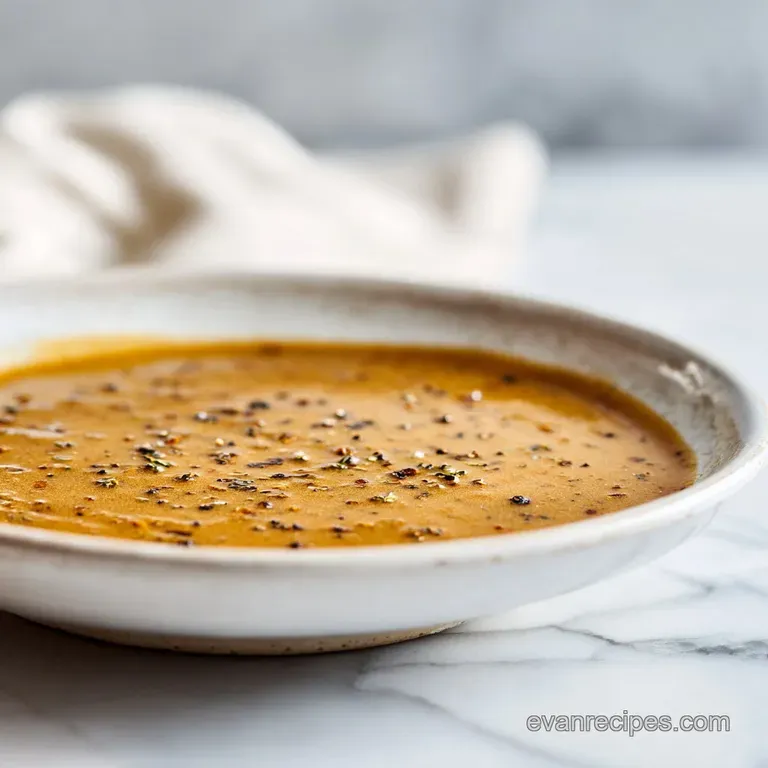
- Time: Active 15 minutes, Passive 45 minutes, Total 60 minutes
- Flavor/Texture Hook: Silky, savory, and deeply umami with a nutty finish.
- Perfect for: Thanksgiving dinner, Sunday roasts, or hearty family gatherings.
- Mastering Depth with The Best Turkey Gravy Recipe
- Why This Works
- Critical Numbers for Holiday Kitchen Success
- Component Analysis
- Selecting Quality Elements for Maximum Flavor
- Necessary Kitchen Tools for Success
- Executing Every Stage with Precision Now
- Correcting Errors During the Simmering Process
- Modifying Portions and Ingredients Safely
- Common Misconceptions Debunked
- Preserving Flavor for Later Enjoyment
- Completing Your Holiday Meal Experience
- Recipe FAQs
- 📝 Recipe Card
Mastering Depth with The Best Turkey Gravy Recipe
Have you ever wondered why restaurant gravy has that deep, dark color and a flavor that sticks to your ribs, while the stuff at home can sometimes feel a bit like salty water? The secret isn't a magic powder or a secret spice blend hidden in a vault.
It actually comes down to what you do with the "bits" most people are tempted to throw away. I’m talking about the neck, the heart, and those weird looking giblets. When you sear those things until they’re almost uncomfortably brown, you’re creating the foundation for a sauce that will make people forget about the turkey entirely.
We’ve all been there the turkey is resting, the house is full of hungry people, and you’re standing over a stove trying to turn a pan of grease into something edible. It’s stressful. But it doesn't have to be. This approach changes the game by letting you build your flavor base early.
We are going to create a "fortified stock" that acts like a concentrated punch of poultry flavor. By the time the turkey comes out of the oven, you aren't starting from scratch; you're just crossing the finish line with the best turkey gravy recipe you have ever tasted.
This is a hearty, no nonsense sauce designed for real families who want that old-fashioned flavor without the fuss. We are going to use real butter, a classic roux, and a little splash of heavy cream at the end to make it feel special. Don't worry about it being too complex.
If you can whisk a liquid into a pan and wait for it to bubble, you’ve got this. We are aiming for a texture that is velvety and smooth the kind of gravy that coats a spoon and stays put on your mashed potatoes.
Why This Works
- Amino Acid Concentration: Searing the neck and giblets creates a fond (those brown bits) that dissolves into the stock, adding layers of savory complexity.
- Starch Suspension: Cooking the flour in butter for 3 to 5 minutes removes the raw grain taste and ensures the thickener stays stable without clumping.
- Emulsion Stability: The small addition of heavy cream at the end helps bind the turkey fats with the watery stock, resulting in a silky mouthfeel.
- Acidic Balance: Apple cider vinegar provides a sharp contrast to the heavy fats, brightening the overall profile so it doesn't feel muddy.
| Cooking Strategy | Total Time | Flavor Depth | Effort Level |
|---|---|---|---|
| Fresh Scratch (This Recipe) | 60 minutes | High - Rich and layered | Medium - Some searing required |
| store-bought Stock Only | 15 minutes | Low - Often tastes one note | Low - Just whisk and heat |
| Instant Powder Mix | 5 minutes | Minimal - Very salty | Minimal - Just add water |
Providing a direct comparison helps you see why we take the extra time to sear those vegetables and turkey parts. The depth you get from 45 minutes of simmering simply cannot be replicated by a jar of bouillon.
If you are serving a crowd, the extra effort pays off in the "oohs" and "aahs" you'll hear around the table.
Critical Numbers for Holiday Kitchen Success
| Target | Specific Measurement | Why It Matters | Visual/Sensory Cue |
|---|---|---|---|
| Roux Color | 3–5 minutes | Develops nutty flavor | Smells like toasted bread |
| Stock Reduction | 30–40 minutes | Concentrates umami | Liquid drops by about 1 inch |
| Final Texture | Coat a spoon | Ensures it stays on food | Line stays when you swipe a finger |
When you are in the thick of a holiday meal, having these visual cues is a lifesaver. You don't need to be a scientist to know when a sauce is right. Just look for that golden brown roux and listen for the gentle simmer.
If the stock is boiling too hard, you'll lose too much liquid; a gentle bubble is what we’re after.
Component Analysis
| Ingredient | Science Role | Pro Secret |
|---|---|---|
| Turkey Neck/Giblets | Protein Source | Pat them bone dry before searing to get a better crust. |
| All Purpose Flour | Thickening Agent | Whisk it constantly in the butter to prevent any burnt spots. |
| Apple Cider Vinegar | Flavor Balancer | Add it at the very end to keep the brightness from cooking off. |
| Pan Drippings | Fat & Salt Source | Taste your drippings first; if they are very salty, reduce the added salt. |
Selecting Quality Elements for Maximum Flavor
Selecting your ingredients is where the heart of the dish begins. For the turkey parts, don't be afraid of the neck and giblets. The neck is packed with collagen, which gives the gravy a rich body that flour alone can't achieve.
If your turkey didn't come with them, you can often buy them separately or even use a few chicken wings in their place.
- 1 turkey neck and giblets (liver discarded): Why this? The neck provides collagen for a silky texture, but the liver makes it bitter.
- 1 yellow onion, halved: Why this? Provides a foundational sweetness when charred in the pan.
- 1 large carrot, chopped: Why this? Adds subtle earthy sugars to balance the salty stock.
- 1 stalk celery, chopped: Why this? Essential for the classic "mirepoix" aromatic base.
- 4 cups low sodium chicken stock: Why this? Using low sodium allows you to control the final salt level perfectly.
- 2 sprigs fresh thyme: Why this? Adds a woody, lemony aroma that defines holiday cooking.
- 1 sprig fresh rosemary: Why this? Very potent; a little goes a long way for savory depth.
- 1 fresh bay leaf: Why this? Helps lighten the heavy flavors of the meat and fat.
- 0.25 cup unsalted butter: Why this? Fat for the roux; unsalted keeps you in charge of seasoning.
- 0.25 cup all purpose flour: Why this? The reliable standard for creating a smooth, stable thickening roux.
- 0.5 cup reserved turkey pan drippings, fat separated: Why this? This is the soul of the gravy, carrying the roasted turkey flavor.
- 1 tsp apple cider vinegar: Why this? A tiny hit of acid "wakes up" all the other flavors.
- 1 tbsp heavy cream: Why this? Rounds out the edges and creates a luxurious, opaque finish.
- 0.5 tsp kosher salt: Why this? Enhances every ingredient; add slowly at the end.
- 0.25 tsp freshly cracked black pepper: Why this? Provides a gentle back of-the throat heat.
Necessary Kitchen Tools for Success
You don't need a kitchen full of gadgets, but a few specific items will make your life much easier. A heavy bottomed saucepan is non negotiable. Thin pans have "hot spots" that will burn your flour before it has a chance to cook through. I personally love using a 3 quart stainless steel pot for this.
It’s large enough to whisk vigorously without splashing gravy all over your stove.
A fine mesh strainer is also a must have. You’ve spent 40 minutes extracting flavor from the vegetables and neck; you don't want those soggy bits in your final sauce. Pouring the stock through a sieve ensures the velvety texture we are after.
If you don't have one, a colander lined with cheesecloth works in a pinch, but a dedicated strainer is a great investment for any home cook.
Finally,, grab a sturdy balloon whisk. When you start adding the liquid to your roux, you need to work quickly. A whisk breaks up the flour clumps much better than a spoon ever could.
If you're worried about scratching your pan, a silicone coated whisk is a brilliant alternative that's gentle on surfaces but tough on lumps.
Executing Every Stage with Precision Now
- Sear the aromatics. Place the turkey neck, giblets, onion, carrot, and celery in a medium heavy bottomed saucepan over medium high heat. Cook until deeply browned and a dark fond forms. Note: This creates the "brown" flavor in the stock.
- Simmer the base. Pour in the chicken stock, thyme, rosemary, and bay leaf. Bring to a boil, then reduce heat and simmer for 30–40 minutes. Wait until the liquid is fragrant and slightly reduced.
- Strain the liquid. Pour the fortified stock through a fine mesh strainer into a clean bowl and discard the solids. Check that you have 3 to 3.5 cups of liquid.
- Create the roux. In the same saucepan (wiped clean), melt the butter over medium heat. Whisk in the flour. Cook for 3–5 minutes until golden and smelling like toasted nuts. Note: This removes the raw flour taste.
- Integrate the stock. Slowly whisk in the fortified stock and the reserved pan drippings. Simmer until the gravy thickens and heavily coats the back of a spoon.
- Incorporate the finish. Stir in the apple cider vinegar and heavy cream. Whisk until the color is uniform and creamy.
- Season the sauce. Taste the gravy and add the kosher salt and black pepper. Adjust only after the cream is fully mixed in.
- Serve hot. Transfer the gravy to a warmed boat or bowl. Serve immediately while the texture is at its peak.
Correcting Errors During the Simmering Process
Even the best cooks run into trouble sometimes. The most common issue with gravy is the texture. If your heat is too high when you start adding the liquid, the flour will seize up and create tiny balls of dough.
This is why we add the stock "slowly." Start with just a splash, whisk it into a paste, and then add the rest.
Fixing Lumpy Textures
Lumps usually happen because the liquid was added too fast or the roux wasn't whisked enough. If you see lumps forming, don't panic. You can usually fix this by whisking aggressively for a full minute. If that doesn't work, you can pour the finished gravy through your fine mesh strainer one last time before serving.
No one has to know!
| Problem | Root Cause | Solution |
|---|---|---|
| Lumpy Gravy | Liquid added too fast | Whisk vigorously or strain through a fine mesh sieve. |
| Too Salty | Drippings were concentrated | Add a splash more cream or a little water to dilute. |
| Too Thin | Not simmered long enough | Simmer for 5 more minutes or add a cornstarch slurry. |
Handling Excess Salt
If your turkey was brined, the pan drippings might be incredibly salty. Always taste your drippings before adding them to the pot. If they're a salt bomb, only use half the amount and make up the difference with more chicken stock.
If the finished gravy is still too salty, a tiny pinch of sugar or an extra splash of cream can help mask the intensity.
Rescuing Thin Gravy
Sometimes the stock doesn't reduce as much as we expect, and the gravy stays watery. If it doesn't coat the spoon after simmering for a few minutes, you can fix it with a "slurry." Mix 1 tablespoon of cornstarch with 1 tablespoon of cold water, then whisk it into the boiling gravy. It will thicken almost instantly.
Common Mistakes Checklist:
- ✓ Never discard the neck - it's the secret to the body of the sauce.
- ✓ Don't skip the searing step; without it, the gravy will be pale and bland.
- ✓ Avoid adding salt until the very end, as the flavors concentrate during simmering.
- ✓ Keep the heat at a gentle simmer; a rolling boil can cause the sauce to separate.
- ✓ Always use a whisk, not a spoon, when incorporating the stock into the roux.
Modifying Portions and Ingredients Safely
When you are feeding a crowd, you might need to double this recipe. To scale it up, you can generally double the ingredients, but be careful with the salt and spices. I recommend using 1.5 times the salt and herbs first, then tasting and adding more if needed. Spices can become overwhelming when doubled exactly.
If you are cooking for a smaller group, you can easily halve the recipe. Use a smaller saucepan so the liquid doesn't evaporate too quickly. If a recipe calls for half an egg, you’d beat it and measure, but here, we just use half the butter and flour. It’s much simpler!
| Original Ingredient | Substitute | Why It Works |
|---|---|---|
| Unsalted Butter | Turkey Fat (Schmaltz) | Uses the natural fat from the bird; very rich flavor. |
| All Purpose Flour | Rice Flour | Good gluten-free option; results in a slightly shinier sauce. |
| Heavy Cream | Whole Milk | Lighter finish; Note: Gravy will be less opaque and rich. |
If you are looking for a hearty side, this goes beautifully with a Broccoli Casserole recipe. The creamy cheese in the casserole and the savory gravy on the turkey create a perfect holiday plate.
Common Misconceptions Debunked
Many people believe that you have to use the giblet liver in the stock for flavor. This is actually a mistake I made early on. The liver has a very metallic, bitter taste that can ruin a delicate gravy.
It is much better to discard the liver or save it for another use and stick to the neck, heart, and gizzard for your fortified stock.
Another myth is that "more flour equals better gravy." If you add too much flour, you'll end up with a paste that tastes like raw dough. The ratio of 1/4 cup fat to 1/4 cup flour is the gold standard for a reason. It provides enough thickness to feel substantial without becoming heavy or gloppy.
Finally,, some think you can't make gravy ahead of time. While the final assembly is best done fresh, making the fortified stock a day or two early is a brilliant move. It saves you 45 minutes of work on the actual day of the feast, which is a massive win for any busy host.
Preserving Flavor for Later Enjoyment
Storage is simple. This gravy will stay fresh in the fridge for up to 4 days. Keep it in an airtight container, and don't be surprised if it looks like jelly when it's cold. That’s just the gelatin from the turkey neck doing its job! When you reheat it, it will turn back into a beautiful liquid.
For freezing, this gravy holds up well for about 3 months. I like to freeze it in muffin tins or ice cube trays first. Once frozen, pop the cubes into a freezer bag. This way, you can grab just a small amount if you're making a single hot turkey sandwich later on.
To reheat, just place the frozen cubes in a small pot over low heat with a splash of water.
For using up that leftover turkey later in the week, my Slow Cooker Turkey Chili is a real family friendly winner. You can even stir a little leftover gravy into the chili base for an extra layer of richness.
Zero Waste Tip: If you have leftover veggies from the stock making process (the onion and carrots), don't toss them! While they've given up most of their flavor to the stock, they can be mashed and added to a pet's food (check for pet safe ingredients like onion) or added to a compost bin.
Even better, save any extra turkey bones to make a second batch of "bone broth" later.
Completing Your Holiday Meal Experience
Presentation matters, especially when you've put this much love into a sauce. I always recommend warming your gravy boat before filling it. You can do this by filling it with hot tap water for a minute, then dumping it out right before adding the gravy.
This keeps the sauce from cooling down the second it hits the table.
If you want to dress it up, a tiny sprinkle of fresh parsley or a few more cracks of black pepper on top looks beautiful. It signals to your guests that this isn't just a "pour and stir" sauce from a jar it’s a homemade masterpiece.
Chef's Tip: If your gravy develops a "skin" while sitting on the table, just give it a quick stir with a spoon. To prevent this altogether, you can press a piece of plastic wrap directly onto the surface of the gravy in the boat, though that's usually only practical if you're keeping it warm in the kitchen.
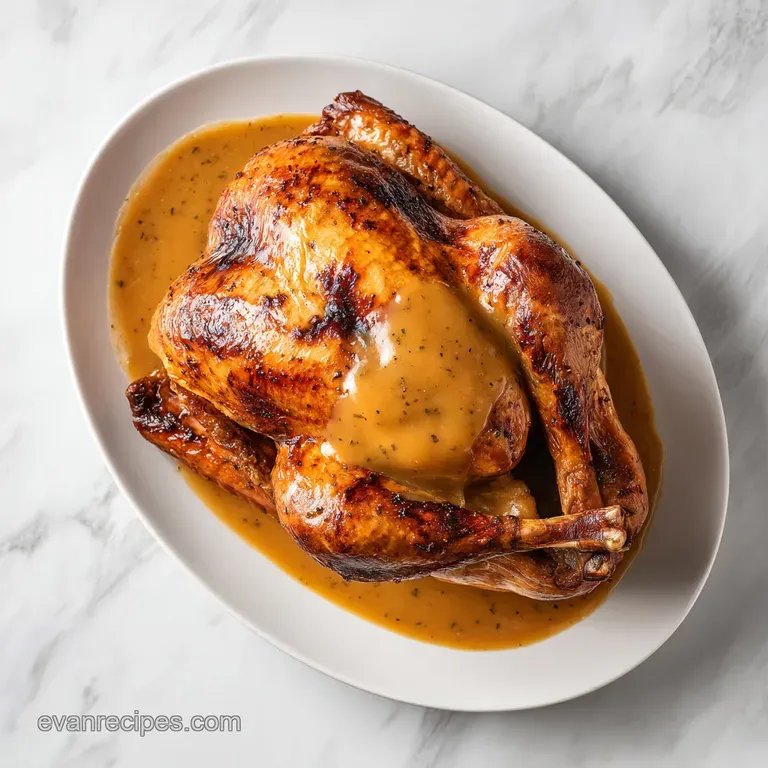
The best turkey gravy recipe is more than just a topping; it's the glue that holds the whole meal together. It bridges the gap between the dry white meat and the fluffy potatoes. Take your time, sear those bits until they're dark, and don't forget that splash of vinegar at the end. Your family will thank you!

Recipe FAQs
What is the secret ingredient for good gravy?
The secret is searing your turkey neck and giblets. By browning these pieces until deep brown before simmering, you create a complex, umami rich base that store-bought stock simply cannot match.
What to add to turkey gravy to make it taste better?
Use apple cider vinegar and heavy cream. A teaspoon of vinegar adds a necessary acidic brightness to balance the richness, while the cream ensures a luxurious, velvety mouthfeel.
What is the trick to making good gravy?
Cook your flour and butter roux until it smells nutty. Taking the time to brown the roux for 3 5 minutes removes the raw flour taste and adds a depth of flavor that defines a high-quality sauce. If you enjoyed mastering the roux technique here, you will find it equally essential for thickening our hearty pot pie recipes.
What is the 3:2:1 rule for gravy?
This rule refers to balancing ratios for consistency. It typically suggests using 3 parts stock, 2 parts fat, and 1 part flour, though our specific recipe uses a 0.25 cup butter to 0.25 cup flour ratio to ensure the perfect thickness that coats the back of a spoon.
Is it true I must boil the gravy for a long time to thicken it?
No, this is a common misconception. Boiling does not thicken gravy; simmering it while whisking constantly allows the starch to hydrate and thicken the sauce effectively without the risk of scorching.
How to ensure the gravy is lump free?
Whisk in your fortified stock slowly. Adding the liquid to the roux in a gradual, steady stream while whisking prevents lumps from forming and creates a perfectly smooth emulsion.
How to store leftover gravy?
Transfer the cooled gravy to an airtight container. It will stay fresh in the refrigerator for up to three days, though you may need to whisk in a tiny splash of water or stock when reheating to restore the original consistency.
The Best Turkey Gravy
Ingredients:
Instructions:
Nutrition Facts:
| Calories | 79 kcal |
|---|---|
| Protein | 3.9 g |
| Fat | 5.4 g |
| Carbs | 3.5 g |
| Fiber | 0.2 g |
| Sugar | 0.6 g |
| Sodium | 245 mg |
