Pineapple Upside Down Cake: Caramelized and Golden
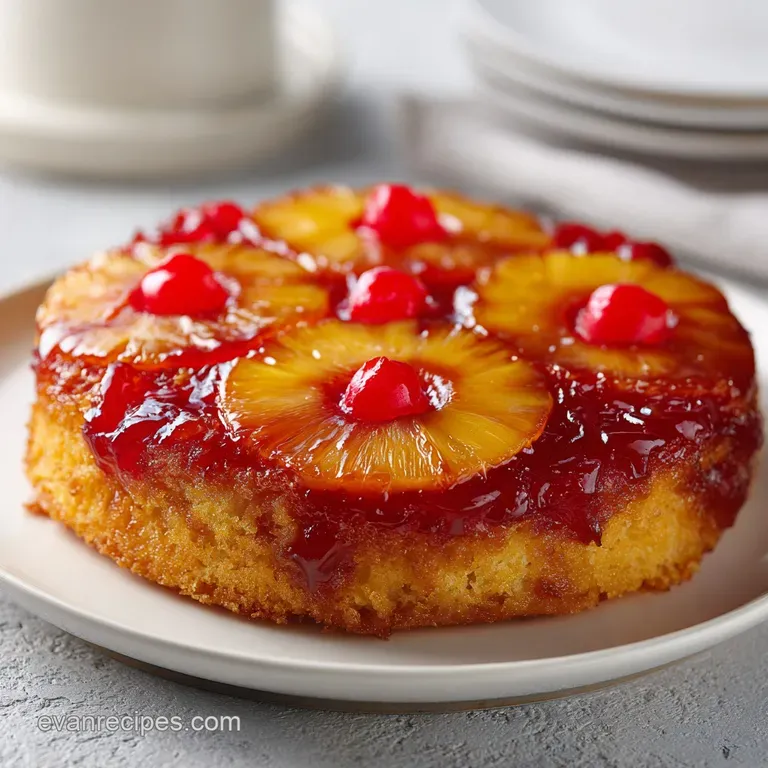
- Time: Active 20 minutes, Passive 45 minutes, Total 65 minutes
- Flavor/Texture Hook: Jammy caramelized fruit atop a buttery, almond scented sponge.
- Perfect for: Sunday brunch centerpieces or impressive family dinners.
- A Study in Sweet Golden Contrast
- The Secret to Flawless Caramelization
- Essential Recipe Specs and Timings
- Analyzing Our Key Cake Components
- Tools for a Masterful Bake
- Step-by-Step Guidance for Success
- Solving Common Baking Hurdles
- Creative Variations to Try
- How to Store and Keep Fresh
- Perfect Ways to Serve
- Myths About This Classic Bake
- Recipe FAQs
- 📝 Recipe Card
A Study in Sweet Golden Contrast
This cake is the ultimate exercise in balancing heavy, rich fats with bright, acidic fruit. Most people think the pineapple is just a topping, but it’s the heart of the hydration strategy.
By using dark brown sugar in the base, we’re creating a quick fix butterscotch that permeates the bottom layer of the batter as it bakes. This creates a gradient of flavor, where the top (which was the bottom) is deeply intense and the base is light and airy.
The contrast between the "shatter" of the sugar encrusted edges and the silky interior is what makes this specific version stand out. We’ve added a touch of almond flour to the mix, which provides a nutty depth that bridges the gap between the tropical pineapple and the rich vanilla.
If you’ve ever found traditional versions too cloying, the sea salt and the tang of the Greek yogurt in this recipe provide the necessary counterpoints to the sugar.
The Secret to Flawless Caramelization
Understanding how the fruit interacts with the sugar is the difference between a soggy cake and a masterpiece. When that butter melts and mingles with the dark brown sugar, it creates a concentrated syrup.
As the cake bakes, the pineapple releases its own juices, which thin the syrup and allow it to soak into the first few millimeters of the cake.
- Moisture Displacement
- Patting the pineapple bone dry ensures the sugar stays concentrated enough to caramelize rather than just steaming the fruit.
- Acidic Reaction
- The Greek yogurt reacts with the baking soda to create instant lift, ensuring the heavy fruit topping doesn't crush the delicate crumb.
- Fat Stability
- Almond flour adds extra fat and protein, which prevents the gluten from over developing and keeps the texture velvety rather than bread like.
| Method | Time | Texture | Best For |
|---|---|---|---|
| Cast Iron Skillet | 45 minutes | Crispy, deeply caramelized edges | Maximum flavor contrast |
| Round Cake Pan | 45 minutes | Soft, uniform, traditional crumb | A clean, classic look |
| Bundt Pan | 50 minutes | Thick, dramatic fruit presentation | Large parties and crowds |
Using a cast iron skillet is my preferred method because the heavy metal retains heat so well, creating a crust on the sugar that a thin cake pan simply can’t match. If you're looking for another tropical twist, you might find my Moist Pineapple Cake recipe a great alternative when you don't want the "upside down" drama.
Essential Recipe Specs and Timings
Precision in baking isn't just about the measurements; it’s about the environment. Ensure your eggs and yogurt are truly at room temperature. Cold ingredients will seize the creamed butter, leading to a broken emulsion and a greasy finished product. We are looking for a smooth, cohesive batter that holds its air.
| Component | Science Role | Pro Secret |
|---|---|---|
| Dark Brown Sugar | Humectant & Color | Pack it tightly to ensure even melting with the butter. |
| Greek Yogurt | Acid & Fat | Use full fat for the most tender, velvety crumb structure. |
| Almond Flour | Texture & Moisture | Provides a "short" crumb that stays moist for days. |
The interaction between the granulated sugar and the butter during the "creaming" phase is vital. We’re physically forcing air into the fat, which gives the baking powder and soda a head start. This creates the "rise" we need to support those heavy pineapple rings. If you want to explore more custard like textures, check out this Pumpkin Crunch Cake recipe which uses a similar "topping on-bottom" logic.
Analyzing Our Key Cake Components
The pineapple is our hero here, specifically canned slices in juice. Why? Because fresh pineapple contains an enzyme called bromelain that can actually break down the proteins in your cake, making it mushy.
The canning process heat treats the fruit, neutralizing the enzyme and giving us a consistent, jammy texture every time.
- 4 tbsp Unsalted butter (melted): The base for our caramel.
- 1/2 cup Dark brown sugar (packed): Essential for that deep, molasses heavy topping.
- 20 oz Canned pineapple slices: Drained and patted completely dry. Why this? Canned rings are uniform in thickness and sweetness for even baking.
- 12 Maraschino cherries: Pitted and dried. Why this? They provide a classic pop of color and almond adjacent flavor.
- 1 1/2 cups All purpose flour: The structural backbone of the sponge.
- 1/4 cup Almond flour: Adds moisture and a delicate, velvety mouthfeel.
- 1 tsp Baking powder & 1/2 tsp Baking soda: Our dual leavening agents.
- 1/2 tsp Sea salt: To cut through the intense sweetness of the topping.
- 1/2 cup Unsalted butter (softened): For the creamed batter.
- 2/3 cup Granulated cane sugar: Provides sweetness and aeration.
- 2 Large eggs: Room temperature for easy emulsification.
- 1/2 cup Plain Greek yogurt: The secret for a moist, tangy crumb.
- 2 tbsp Reserved pineapple juice: Intensifies the fruit flavor in the sponge.
- 1 tsp Pure vanilla extract: Rounds out the buttery notes.
| Original Ingredient | Substitute | Why It Works |
|---|---|---|
| Greek Yogurt | Sour Cream | Similar acidity and fat content. Note: Results in a slightly richer flavor. |
| Dark Brown Sugar | Light Brown Sugar | Same sweetness. Note: You will lose some of that deep, mahogany color. |
| All purpose Flour | gluten-free 1:1 Blend | Similar weight. Note: Texture may be slightly more crumbly. |
Tools for a Masterful Bake
You don't need a professional kitchen, but a few heavy duty items make this a lot easier. A 10 inch cast iron skillet (like a Lodge) is the gold standard here because it goes from stovetop to oven beautifully and holds heat like a champion.
If you don't have a skillet, a heavy 9 inch round cake pan works, but ensure it's not a springform pan! The caramel syrup is thin when hot and will leak right out of the bottom of a springform, creating a smoky mess in your oven.
A stand mixer is also a huge help for the 3 minute creaming process, though a hand mixer and some elbow grease will get you there too.
step-by-step Guidance for Success
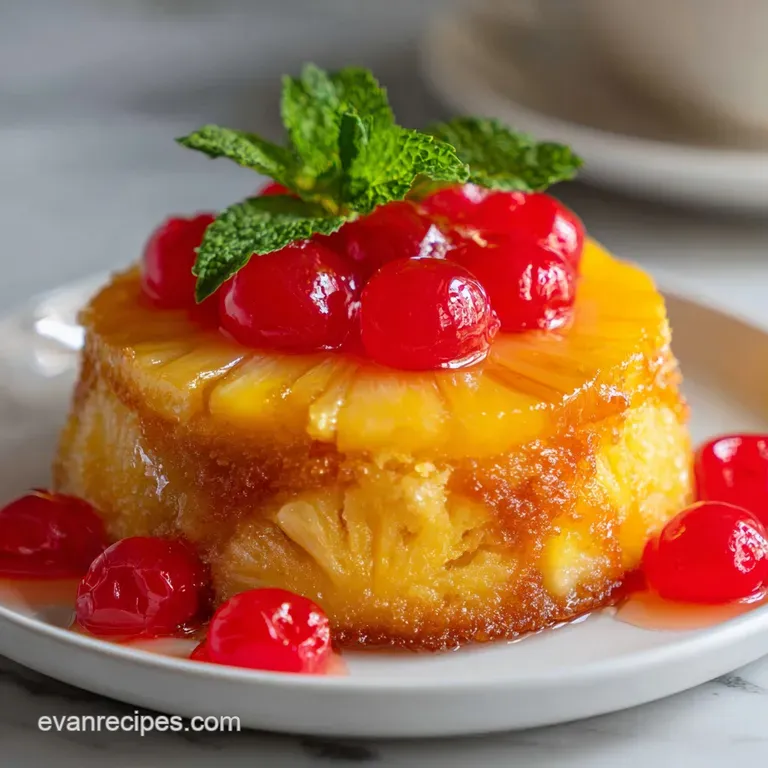
- Preheat your oven to 350°F (175°C). Pour the 4 tbsp melted butter into the bottom of a 10 inch cast iron skillet or a heavy 9 inch round cake pan. Note: This creates the non stick barrier for the caramel.
- Sprinkle the 1/2 cup dark brown sugar evenly over the melted butter to create the caramel base.
- Arrange the bone dry pineapple slices on top of the sugar layer. Place a cherry in the center of each ring and fill the gaps between the rings with additional cherries.
- In a medium bowl, whisk together the 1 1/2 cups all purpose flour, 1/4 cup almond flour, 1 tsp baking powder, 1/2 tsp baking soda, and 1/2 tsp sea salt.
- In a separate large bowl or stand mixer, cream the 1/2 cup softened butter and 2/3 cup granulated sugar for approximately 3 minutes until light and fluffy.
- Beat in the 2 eggs one at a time, followed by the vanilla extract, Greek yogurt, and 2 tbsp reserved pineapple juice until smooth and emulsified.
- Gradually fold the dry ingredients into the wet mixture until just combined, ensuring not to overmix.
- Spread the batter evenly over the arranged fruit in the skillet. Bake for 45 minutes, until a toothpick inserted into the center comes out clean.
- Cool in the pan for exactly 10 minutes until the caramel has slightly set but is still fluid. Run a knife around the edge and confidently flip the cake onto a large serving plate.
Solving Common Baking Hurdles
The biggest fear with an upside down cake is the "stick." If the fruit stays in the pan while the cake comes out, it’s usually a timing issue. You have a very specific window about 10 minutes where the caramel is thick enough to hold the fruit but still liquid enough to release from the pan.
Why Your Fruit Stuck to the Pan
If the cake cooled too long, the sugar has basically turned into glue. If it didn't cool enough, the syrup is too watery and will run everywhere. Stick to the 10 minute timer religiously.
Why Your Cake is Soggy
This usually happens if the pineapple wasn't patted dry or if you used fresh pineapple that released too much juice. The "bone dry" step in the instructions is not a suggestion; it's a requirement for a clean release and a firm crumb.
| Problem | Root Cause | Solution |
|---|---|---|
| Fruit stays in pan | Caramel cooled too much | Briefly warm the pan bottom on the stove to melt the sugar. |
| Sunken center | Underbaked or overmixed | Check doneness with a skewer; stop mixing as soon as flour disappears. |
| Burnt sugar edges | Oven running hot | Use an oven thermometer and reduce heat by 15°C (25°F) next time. |
Common Mistakes Checklist - ✓ Pat pineapple slices with paper towels until no moisture remains on the surface. - ✓ Ensure butter is softened to room temperature, not melted, for the batter. - ✓ Don't peek!
Opening the oven door in the first 30 minutes can cause the cake to collapse. - ✓ Use a plate larger than the skillet for the flip to catch any stray caramel drips. - ✓ If using a cake pan instead of a skillet, place it on a baking sheet to catch overflows.
Creative Variations to Try
While the classic is hard to beat, you can easily adapt this recipe to fit your pantry or your mood. Some people love a deeper, spicier note in their cake, while others want a shortcut that gets them to the table faster.
- Pineapple Upside Down Cake with Cake Mix: You can swap the flour, sugar, and leaveners for a box of yellow cake mix. Use the Greek yogurt and pineapple juice in place of the water called for on the box to keep that homemade density.
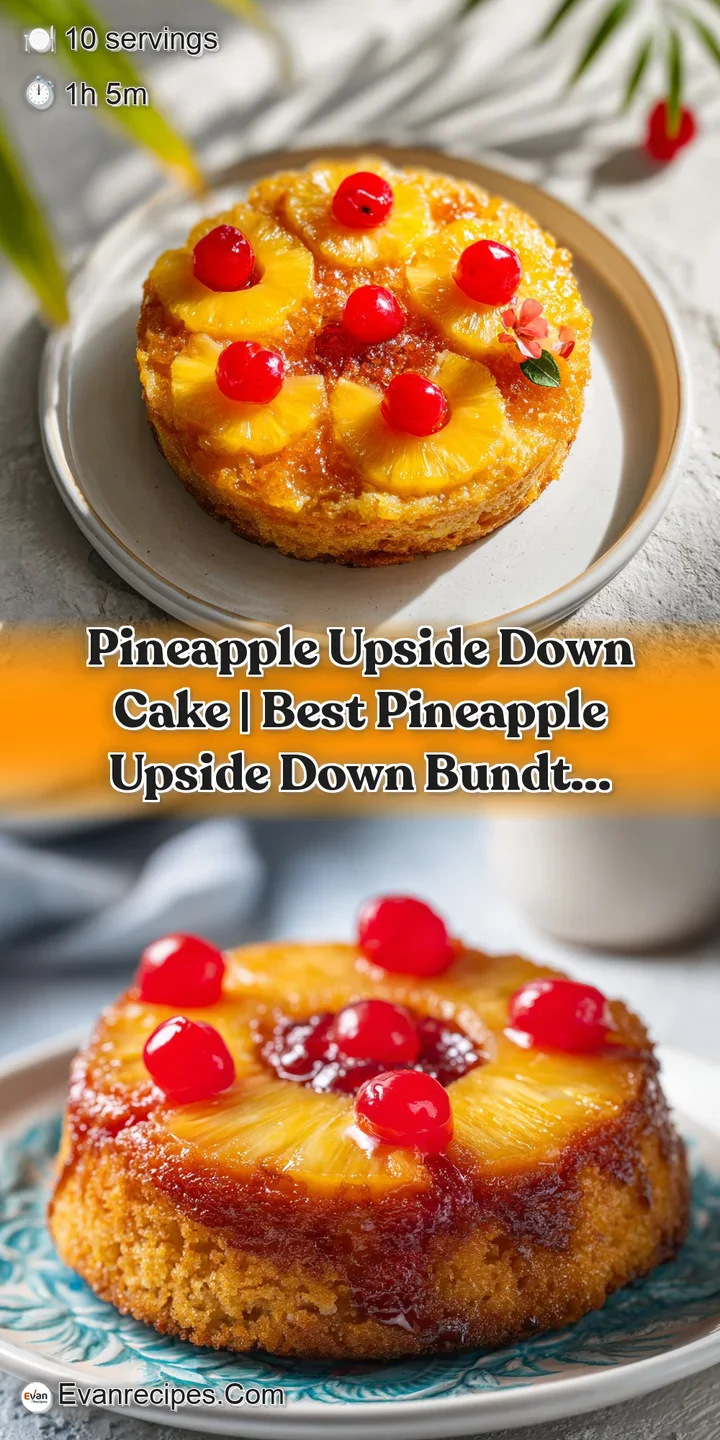
- Pineapple Upside Down Cake Bundt Pan Version: This requires a bit more care in arranging the fruit. Cut the pineapple rings in half and "shingle" them along the bottom of the greased bundt pan. You may need to increase the bake time to 50 or 55 minutes.
- Spiced Rum Twist: Swap the vanilla extract for 1 tbsp of dark spiced rum. The alcohol burns off, but the oaky, spicy notes pair beautifully with the caramelized sugar.
| Feature | Fresh Pineapple | Canned Pineapple |
|---|---|---|
| Texture | Firmer, sometimes fibrous | Consistently soft and jammy |
| Sweetness | Variable (acidic to sweet) | Consistent and predictable |
| Convenience | Requires peeling and coring | Ready to use immediately |
How to Store and Keep Fresh
Because of the high moisture content from the fruit topping, this cake doesn't have the longest shelf life on the counter. Keep it under a cake dome for up to 2 days. If you need it to last longer, move it to the fridge, but be aware that the butter rich crumb will firm up significantly.
Always bring a refrigerated slice back to room temperature or give it a 10 second zap in the microwave to restore that velvety texture.
Zero Waste Tip: Don't throw away the leftover pineapple juice from the can! It’s liquid gold. You can simmer it down with a bit of sugar to make a thick syrup for cocktails, or use it to glaze a ham.
The maraschino cherry juice is also excellent for flavoring frosting or even adding a pink tint to a simple glaze for other bakes.
Perfect Ways to Serve
This cake is at its absolute peak about 20 minutes after the flip, when it’s still slightly warm and the caramel is tacky. I always serve it with a dollop of unsweetened whipped cream or a scoop of high-quality vanilla bean ice cream.
The cold cream melting into the warm, buttery sponge is an experience that’s hard to top.
Chef's Tip: For a sophisticated touch, sprinkle a tiny pinch of flaky sea salt over the fruit right after flipping. It makes the pineapple taste "more like itself" and balances the dark brown sugar perfectly.
If you’re serving this for a party, it looks stunning on a white ceramic pedestal. Since it’s already decorated by the fruit, you don’t need any frosting or extra garnish. Just let those glowing amber rings do all the talking.
If you find yourself with leftovers (lucky you!), try frying a slice in a little bit of butter the next morning. It’s basically the best version of French toast you’ll ever have.
Myths About This Classic Bake
There’s a persistent myth that you must use a cast iron skillet for an "authentic" result. While I love the skillet for its heat retention and the way it handles the caramel, you can get a beautiful cake in a standard round pan.
The "authenticity" comes from the method of cooking the fruit under the batter, not the specific metal of the vessel.
Another common misconception is that searing the pineapple beforehand adds flavor. In reality, the 45 minutes in the oven under a layer of sugar and butter provides all the caramelization you need. Pre searing often leads to overcooked, mushy fruit that loses its structural integrity.
Trust the process and let the oven do the heavy lifting.
Finally, many believe that "fresh is always best." In the world of Pineapple Upside Down Cake, canned is often the superior choice for consistency. The heat treatment of canning ensures the fruit behaves predictably with your leaveners, preventing the "mush factor" that can plague fresh fruit bakes.
Stick to the can, pat them dry, and you’ll have a reliable masterpiece every time.
Recipe FAQs
What cake mix do you use for pineapple upside down cake?
This recipe uses a from scratch batter, not a box mix. Combining all-purpose flour, almond flour, and Greek yogurt creates a superior crumb structure that stands up to the heavy fruit layer better than most processed mixes.
Do you flip a pineapple upside down cake when it's hot or cold?
Flip the cake while it is still warm, specifically after 10 minutes of cooling in the pan. If you wait until it is completely cold, the caramel base will harden and the cake will stick; if you flip it immediately while boiling hot, it may fall apart.
Can you add pineapple to a box cake mix?
Yes, you can, but use caution with moisture levels. If you enjoy the ease of convenience baking, check out our birthday cake cookies to see how we balance quick techniques with professional grade results.
What are common upside down cake mistakes?
Failing to pat the pineapple slices bone dry is the most common error. Excess juice prevents the caramel from setting properly and leads to a soggy, unstable bottom layer.
Why is my pineapple upside down cake sticking to the pan?
The cake is sticking because it was likely flipped too late or the pan edges were not loosened. Always run a sharp knife around the circumference of the skillet before flipping to release the vacuum created by the cooling sugar.
How to ensure the pineapple stays in place when flipping?
Arrange the fruit tightly on the brown sugar base before pouring in the batter. Ensuring the pineapple slices and cherries are pressed firmly against the bottom of the pan prevents them from shifting when you invert the skillet.
How to tell if the cake is fully baked?
Insert a toothpick into the center of the cake and check for clean removal. Since this cake contains fruit and yogurt, it remains moist, so look for a few small crumbs rather than wet batter on the toothpick.
Pineapple Upside Down Cake
Ingredients:
Instructions:
Nutrition Facts:
| Calories | 346 kcal |
|---|---|
| Protein | 5.2 g |
| Fat | 16.4 g |
| Carbs | 46.1 g |
| Fiber | 1.4 g |
| Sugar | 32.2 g |
| Sodium | 194 mg |
