Lemon Sugar Cookies: Tangy and Crinkled
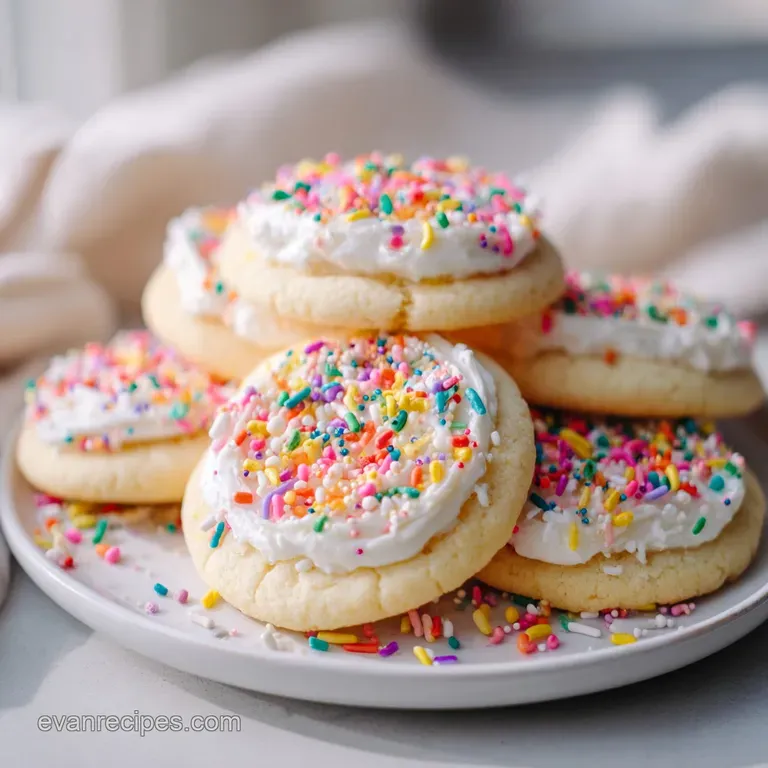
- Time: Active 10 minutes, Passive 10 minutes, Total 20 minutes
- Flavor/Texture Hook: Shattering sugar crust with a velvety, tangy center
- Perfect for: Spring garden parties or a bright afternoon pick me-up
- Mastering These Zesty Lemon Sugar Cookies
- The Science Behind The Crinkle
- Component Analysis Deep Dive
- Essential Ingredients for Success
- Required Tools for Better Baking
- Steps for the Best Results
- Fixing Common Cookie Problems
- Smart Swaps and Flavor Variations
- Guidelines for Optimal Freshness
- Pairing Your Citrus Treats
- Debunking Cookie Myths
- Recipe FAQs
- 📝 Recipe Card
Mastering These Zesty Lemon Sugar Cookies
I still remember the first time I pulled a tray of these out of the oven and realized I’d been doing it wrong for years. I used to just toss lemon juice into a basic dough and wonder why the flavor disappeared after baking. Then, one rainy Tuesday, I decided to treat the lemon zest like a precious aromatic.
I massaged it into the sugar until my kitchen smelled like a Sicilian grove, and suddenly, the cookies didn't just taste like lemon - they vibrated with it.
We are aiming for that specific, old fashioned lemon sugar cookies vibe where the edges are crisp enough to snap, but the middle stays soft. It’s a delicate balance of acidity and fat. If you've ever had a cookie that felt "heavy" or dull, it’s likely because the citrus was an afterthought.
Today, we're making it the star. You’ll see that shatter crisp exterior meet a velvety crumb, creating a contrast that keeps you reaching for just one more.
The Science Behind The Crinkle
Acidic Leavening: Cream of tartar provides the necessary acidity to react with baking soda, creating rapid carbon dioxide release that puffs the cookie before it collapses into characteristic cracks.
Oil Emulsification: Massaging zest into sugar ruptures the oil sacs in the peel, allowing the sucrose crystals to absorb lemon limonene, which survives high oven heat better than liquid juice.
Protein Structure: Using a single egg provides enough structure to hold the rise without making the crumb tough or "bready," preserving the delicate melt away texture.
| Bake Time | Edge Texture | Center Feel | Best For |
|---|---|---|---|
| 8 minutes | Pale / Soft | Very Doughy | Ultra soft fans |
| 10 minutes | Golden / Set | Tender/Moist | The "Master" standard |
| 12 minutes | Browned / Firm | Crispy / Dry | Dipping in hot tea |
Finding the right moment to pull these from the heat is the difference between a soft treat and a cracker. I prefer the 10 minute mark because the carryover heat finishes the center while the edges maintain a satisfying snap.
This timing ensures your easy homemade lemon cookies stay fresh for days instead of hardening instantly.
Component Analysis Deep Dive
| Ingredient | Science Role | Pro Secret |
|---|---|---|
| Unsalted Butter | Provides tender fat | Use 18°C butter for the best aeration during the creaming stage. |
| Cream of Tartar | Adds "tang" and lift | Prevents sugar crystallization, keeping the center soft rather than crunchy. |
| Lemon Zest | Primary flavor source | Zest directly into the sugar bowl to catch every drop of flying oil. |
Essential Ingredients for Success
To get the best lemon sugar cookies recipe results, you need high-quality fats and fresh aromatics. Don't reach for that plastic squeeze bottle of juice, the flavor just isn't there.
- 200g granulated sugar: This provides the sweetness and the structure for the creaming process.
- 2 tbsp fresh lemon zest: About two large lemons. Why this? The zest contains the concentrated oils that provide a lasting aroma.
- 50g extra granulated sugar: Specifically for rolling. Why this? This creates the signature "shatter" crust on the exterior.
- 225g unsalted butter: Must be softened. Why this? It must emulsify with the sugar to create air pockets.
- 1 large egg: Room temperature is non negotiable here.
- 1 tbsp fresh lemon juice: For a hit of bright acidity.
- 1 tsp pure vanilla extract: Rounds out the sharp citrus notes.
- 0.5 tsp lemon extract: Acts as a "flavor insurance" for a bolder profile.
- 375g all purpose flour: Provides the bulk and structure.
- 1 tsp baking soda: Our primary leavener for browning and lift.
- 1 tsp cream of tartar: The secret to that classic sugar cookie tang.
- 0.5 tsp fine sea salt: To balance the sweetness and pop the citrus.
If you find yourself running low on lemons, you might be tempted to use more extract, but it can taste medicinal. Instead, try a Brown Sugar Syrup recipe as a drizzle afterward for a deeper, caramel lemon hybrid flavor that is surprisingly sophisticated.
Required Tools for Better Baking
You don't need a professional kitchen, but a few specific items make this homemade lemon cookies process much smoother. A microplane is your best friend for zesting without hitting the bitter white pith. I also highly recommend a digital scale.
Measuring flour by the cup is a gamble that often leads to dry, crumbly cookies.
I use a stand mixer (like a KitchenAid) because it incorporates the air much more effectively than I can by hand. If you're using a hand mixer, just be prepared to spend an extra 2 minutes on the butter and sugar stage.
You'll also want heavy duty baking sheets that won't warp in the oven, ensuring an even bake for all 24 cookies.
Steps for the Best Results
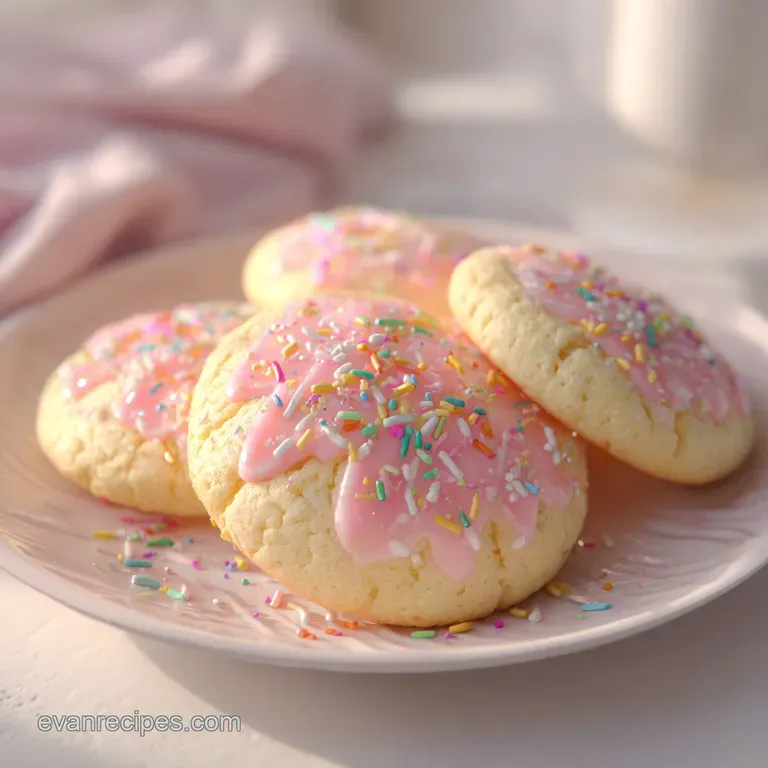
Infusing the Aromatics
Combine the 200g granulated sugar and 2 tbsp lemon zest in your mixer bowl. Use your fingertips to rub the zest into the sugar for 2 minutes until the sugar is fragrant and damp. Note: This mechanical action releases the oils better than a whisk ever could.
Emulsifying the Fats
Add the 225g softened butter to the lemon sugar. Cream on medium high speed for 3 minutes until the mixture looks pale and fluffy.
Incorporating the Liquids
Add the room temperature egg, 1 tbsp lemon juice, vanilla, and lemon extract. Beat for 1 minute until the mixture is silky and fully combined. Note: If the mixture looks curdled, your egg was too cold.
Integrating the Dry Ingredients
In a separate bowl, whisk together the 375g flour, baking soda, cream of tartar, and salt. Slowly add this to the wet ingredients on low speed until just a few streaks of flour remain.
Final Dough Prep
Stop the mixer and use a spatula to finish folding the dough by hand. Ensure you scrape the bottom of the bowl to catch any hidden butter pockets.
Portioning for Consistency
Scoop 1.5 tablespoon portions of dough (about 30g each) and roll into smooth balls. Note: Smooth balls lead to even cracking on the surface.
The Sugar Coating
Roll each dough ball in the extra 50g of granulated sugar until completely and heavily coated.
Monitoring the Golden Edge
Place on a lined baking sheet and bake at 180°C (350°F) for 10 minutes until the edges are set but the tops look slightly underbaked.
Fixing Common Cookie Problems
Why Your Cookies Spread
If your cookies turn into one giant puddle on the tray, the butter was likely too warm or you over creamed the mixture. When butter gets too soft, it loses its ability to hold air, and the structure collapses the moment it hits the oven heat.
Always aim for "cool room temperature" butter, it should dent when pressed but still feel slightly firm to the touch.
Avoiding the Cakey Texture
A cakey cookie is usually the result of too much flour or over beating the egg. This is why we use 375g precisely. If you don't have a scale and use a measuring cup, you might accidentally pack in 400g of flour, which absorbs all the moisture and leaves you with a mini scone instead of a chewy cookie.
| Problem | Root Cause | Solution |
|---|---|---|
| Too Flat | Butter too warm | Chill the dough balls for 20 mins before baking. |
| No Cracks | Old baking soda | Test soda in vinegar; it should bubble violently. |
| Hard Bottoms | Dark baking pans | Reduce oven temp by 10°C or use parchment paper. |
Common Mistakes Checklist
- ✓ Never skip rubbing the zest into the sugar; it’s the soul of the flavor.
- ✓ Ensure the egg is room temperature to prevent the butter from seizing.
- ✓ Don't over bake; they should look "done" only at the very edges.
- ✓ Use a cookie scoop for identical sizes to ensure even baking.
- ✓ Space cookies at least 2 inches apart to allow for airflow.
Smart Swaps and Flavor Variations
While these rolled lemon sugar cookies are stunning on their own, you can easily pivot the profile. If you're looking for something with a tropical twist, swapping a portion of the flour for coconut could work, similar to the vibe in a Chewy Coconut Cookies Recipe. It changes the texture but keeps that bright citrus energy.
| Original Ingredient | Substitute | Why It Works |
|---|---|---|
| Lemon Juice | Lime Juice | Same acidity but adds a sharp, tropical bitterness. |
| All Purpose Flour | 1:1 gluten-free Blend | Rice flour bases mimic the "sandy" crunch of sugar cookies well. |
| Granulated Sugar | Sparkling Sugar (for rolling) | Larger crystals provide a much louder "shatter" when bitten. |
If you want to get really adventurous, try adding a tablespoon of culinary lavender to the sugar rubbing step. It creates a floral backdrop that makes these feel very high end. Just be careful not to use too much, or it will start to taste like soap.
Guidelines for Optimal Freshness
The high sugar content in these Lemon Sugar Cookies acts as a preservative, but they are still best within the first three days. Keep them in an airtight container at room temperature. If you find they are starting to get a bit firm, tuck a small piece of plain white bread into the container.
The cookies will pull the moisture from the bread and soften right back up.
For long term storage, these freeze beautifully. You can freeze the baked cookies for up to 3 months, but I actually prefer freezing the raw dough balls. Just roll them in sugar right before you pop them in the oven.
You'll need to add about 2 minutes to the bake time if you're baking directly from the freezer.
Pairing Your Citrus Treats
I love serving these alongside a sharp Earl Grey tea. The bergamot in the tea mirrors the lemon in the cookies, creating a really cohesive experience. If it's a hot day, crumbling one of these over a bowl of high-quality vanilla bean ice cream is a total game over move.
The contrast between the cold cream and the zesty, buttery crunch is something you have to try.
The texture of these cookies reminds me of the interior of a Peanut Butter Balls Recipe, where there is a certain richness that feels indulgent without being heavy. If you're putting together a dessert platter, these provide a necessary bright note to balance out darker, chocolate heavy items.
Debunking Cookie Myths
One of the biggest myths in the baking world is that you can just add more lemon juice to get more flavor. In reality, adding too much liquid ruins the hydration ratio of the dough, leading to a cakey, puffed up mess. The flavor is in the skin, not the juice. Always prioritize the zest.
Another misconception is that the "crinkle" comes from the sugar rolling alone. While the sugar helps dry out the surface to create cracks, the real work is done by the cream of tartar. Without that specific acidity, the cookies will stay smooth and domed rather than developing those beautiful, craggy valleys.
Trust the science and don't skip the tartar!

Recipe FAQs
Should I use lemon juice or zest for the primary flavor?
Use the zest primarily. The essential oils in the zest contain the strongest, most heat stable citrus flavor, whereas juice adds acidity that can complicate leavening.
What causes the characteristic crackle or "crinkle" on the cookie surface?
It is the reaction between the cream of tartar and baking soda. This acid/base combination creates carbon dioxide rapidly, puffing the cookie, which then settles and cracks as the exterior sets.
How to ensure the dough balls bake evenly for perfect round cookies?
Roll the dough into very smooth, uniform spheres before coating. Any lumps or rough edges will bake inconsistently, causing some cookies to spread and others to remain too thick.
Is it true that chilling the dough after rolling in sugar affects the final texture?
No, chilling the dough before rolling in sugar is crucial. Chilling the formed balls for 20 minutes prevents immediate spread; rolling them in extra sugar is just for the exterior crust.
How to substitute the lemon flavor with another citrus for variation?
Swap the lemon juice for lime juice in equal measure. If you enjoyed the sweet tart balance in this recipe, see how we use the same acid technique in our Custard Bread Pudding recipe for a complex flavor profile.
What is the secret to achieving that soft, melt-in-your mouth interior?
Do not overbake, and use room temperature egg. The egg must emulsify properly with the butter; if it’s cold, the batter seizes, leading to a tougher structure.
Can I make these cookies ahead of time and freeze them?
Yes, freezing the raw dough balls yields excellent results. If you enjoyed mastering the consistent portioning here, apply that same control when freezing dough for later baking, similar to techniques used in our Baked Pears with Cinnamon Honey in 40 Min where temperature precision matters.
Lemon Sugar Cookies Recipe

Ingredients:
Instructions:
Nutrition Facts:
| Calories | 167 kcal |
|---|---|
| Protein | 1.8 g |
| Fat | 7.8 g |
| Carbs | 22.3 g |
| Fiber | 0.4 g |
| Sugar | 10.5 g |
| Sodium | 103 mg |
