Grandmas Lace Cookies Recipe
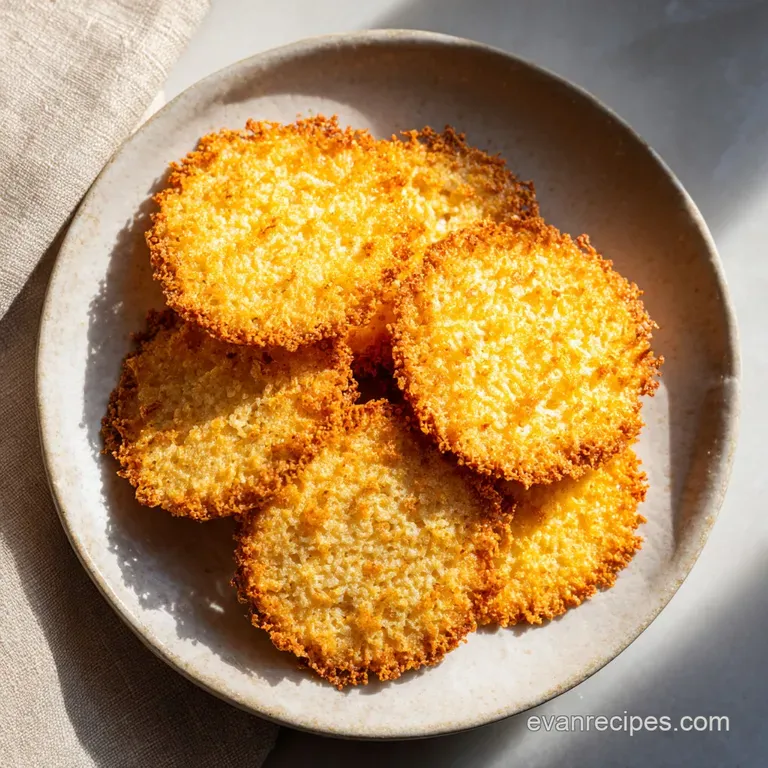
- Mastering the Iconic Snap of Grandmas Lace Cookies
- The Physics Behind That Toffee Spread
- Essential Components for a Translucent Crumb
- Tools Required for Success
- Executing the Classic Lace Technique
- Troubleshooting the Perfect Spread
- Smart Ingredient Swaps
- Adapting the Batch Size
- Toffee Myths Debunked
- Storage and Zero Waste
- Serving Traditions and Pairings
- Recipe FAQs
- 📝 Recipe Card
Mastering the Iconic Snap of Grandmas Lace Cookies
The scent of bubbling butter and caramelized sugar hitting a hot pan is one of those core memories that stays with you. I remember standing in my grandmother's kitchen, barely tall enough to see over the counter, watching her swirl a small pot of golden liquid. It smelled like toasted nuts and pure comfort.
When she dropped tiny spoonfuls onto a tray, I couldn't understand how those little blobs would become anything edible. But then, through the oven glass, the magic happened: they erupted into tiny craters, spreading out until they were thin enough to see through.
I’ve spent years trying to replicate that exact shattering texture, and honestly, I’ve had my share of "cookie pancakes" that just stuck to the tray in one giant, greasy sheet. That’s the thing about these they’re a lesson in patience and precision.
If you’ve ever felt intimidated by the idea of a cookie that looks like delicate Victorian lace, don't be. We're going to break down the chemistry of that crunch so you can get it right on the very first try.
Right then, let's talk about the reality of the bake. These aren't your typical soft and chewy snacks. They are elegant, toffee like discs that demand a bit of respect for the cooling process.
If you've been searching for that old school flavor that balances salt, sugar, and oats in a way that feels lighter than air, you've found it. Trust me, once you hear that first "snap" when you break one in half, you'll be hooked on the process just as much as the taste.
The Physics Behind That Toffee Spread
The secret to these Grandmas Lace Cookies lies in the high sugar to flour ratio and the way the fats interact with the oats. Unlike a standard cookie where flour provides a sturdy skeleton, these rely on the sugar melting into a syrup that then hardens into a glass like structure as it cools.
- Maillard Reaction: The light brown sugar and butter undergo a rapid browning process, creating the deep caramel notes and the signature golden brown hue.
- Steam Expansion: The tablespoon of heavy cream provides just enough moisture to create steam, which pushes through the viscous dough to create those iconic "lace" holes.
- Recrystallization Control: Using both granulated and light brown sugar prevents the cookie from becoming too brittle or too soft, finding the middle ground of a "shatter crisp" texture.
- Oat Matrix: The quick cooking oats act as tiny anchors in the sea of molten sugar, giving the lace something to cling to so it doesn't just turn into a puddle of candy.
| Feature | Fast Method (Microwave) | Classic Method (Stovetop) |
|---|---|---|
| Aroma Depth | Mildly sweet, faint butter | Deeply toasted, nutty caramel |
| Texture | Uniformly crisp but fragile | Varied "lace" with chewy centers |
| Success Rate | Higher risk of sugar seizing | Reliable control over melt point |
It is fascinating how such a small amount of flour (just one tablespoon!) can completely change the outcome. If you are looking for a different vibe, you might also enjoy the texture of this Chewy Coconut Cookies Recipe, which uses a similar fat to sugar logic but yields a much heartier bite.
Essential Components for a Translucent Crumb
The ingredient list for this recipe is deceivingly simple, but each player has a very specific job to do. We aren't just mixing things together; we are creating a delicate emulsion that needs to hold up under high heat.
Using 113g of unsalted butter is non negotiable here; it provides the fatty base that allows the sugars to liquefy without burning instantly.
| Ingredient | Science Role | Pro Secret |
|---|---|---|
| Unsalted Butter (113g) | Provides the fat for spreading and flavor | Melt it slowly to avoid separating the milk solids too early |
| Light Brown Sugar (100g) | Adds moisture and molasses for chew | Pack it tightly to ensure the correct moisture to sugar ratio |
| Quick Cooking Oats (90g) | Creates the structural "lace" network | Don't use old-fashioned oats; they are too heavy and won't spread correctly |
| Heavy Cream (1 tbsp) | Emulsifies the sugars and adds richness | Keep it cold until the moment it hits the warm butter mixture |
Aside from the heavy hitters, you’ll need 100g of granulated sugar, 1 tablespoon of all purpose flour, 1/4 teaspoon of salt, and 1 teaspoon of vanilla extract. Each of these supports the main structure. The salt is particularly vital; without it, the cookies are cloyingly sweet.
With it, they become a sophisticated treat that pairs perfectly with a bitter espresso.
Tools Required for Success
You don't need a pantry full of gadgets, but a few specific items will make your life much easier. A heavy bottomed saucepan is your best friend here. If you use a thin, cheap pot, the sugar will have "hot spots" and burn before the oats are even coated.
You’ll also want a silicone baking mat (like a Silpat) or high-quality parchment paper. These cookies are basically glue when they're hot, so a non stick surface is mandatory.
Chef Tip: Freeze your butter for 10 minutes before putting it in the pan. This slight chill allows the sugars to begin dissolving before the butter completely liquifies, leading to a more stable emulsion.
You will also need a small cookie scoop or a measuring teaspoon. Consistency is everything. If one cookie is a teaspoon and the next is a tablespoon, they will cook at different rates, and you'll end up with some burnt edges and some raw centers.
Finally, a wire cooling rack is essential for letting air circulate around the cookies so they can set into that "shatter" stage.
Executing the Classic Lace Technique
The process moves fast once the sugar melts, so have your baking sheets prepped and ready. You’ll want to space these at least 3 inches apart trust me, they spread more than you think.
- Melt the butter. Place 113g unsalted butter in a medium saucepan over medium low heat until it begins to sizzle and foam slightly. Note: This removes excess water and starts the flavor development.
- Dissolve the sugars. Add 100g granulated sugar and 100g light brown sugar. Stir constantly until the mixture looks like wet sand and the edges bubble.
- Add the liquids. Stir in 1 tablespoon of heavy cream and 1 teaspoon of vanilla extract. Watch for the velvety, smooth sheen that develops as the cream emulsifies the fat.
- Incorporate the structure. Remove from heat and fold in 90g quick cooking oats, 1 tablespoon all purpose flour, and 1/4 teaspoon salt. Stir until no dry flour streaks remain.
- Preheat and prep. Set your oven to 180°C (350°F). Line your baking sheets with parchment or silicone mats.
- Portion the dough. Drop level teaspoons of the mixture onto the sheets, spacing them wide. Note: These will spread into 3 inch circles.
- Bake for the snap. Bake for 8 minutes until the centers are bubbling and the edges are a deep amber brown.
- The first scent check. Around the 6 minute mark, the kitchen should smell intensely of toasted oats and warm caramel. This is your cue to watch them closely.
- The setting period. Let the cookies sit on the hot tray for at least 5 minutes. They must be firm enough to lift without folding.
- Final cooling. Transfer to a wire rack to cool completely. They will become brittle and "shatter prone" as they reach room temperature.
For a different take on a classic bake, I often think about the steps in my Chewy Chocolate Chip recipe. While those focus on a soft, pillowy center, these lace cookies are all about the perimeter and the crunch.
Troubleshooting the Perfect Spread
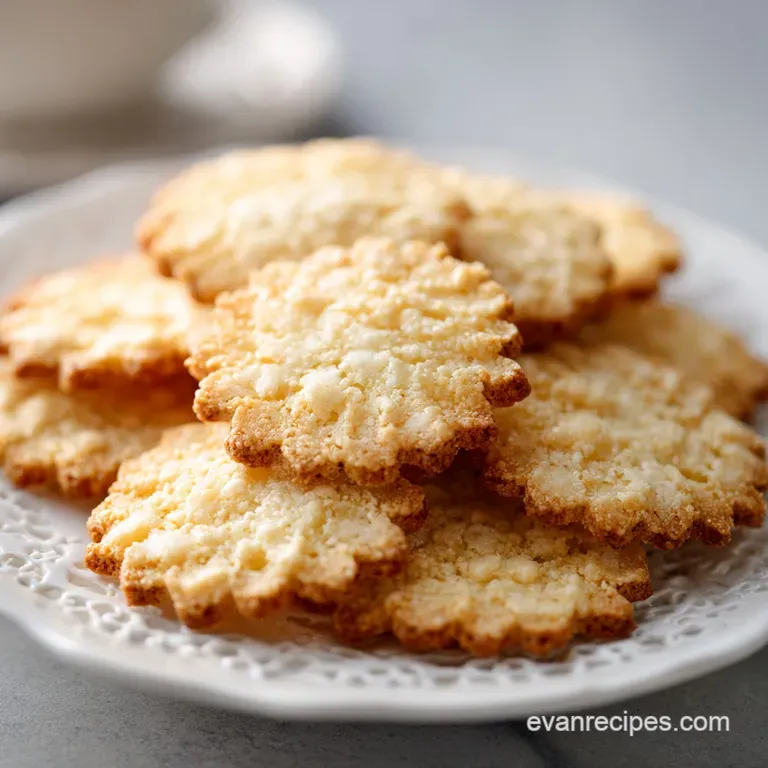
The most common heartbreak with lace cookies is the "blob" factor where they either don't spread enough or spread so much they become a single sheet of toffee. Usually, this comes down to the temperature of the dough when it hits the oven or the accuracy of your measurements.
Why Your Cookies Are Soggy or Soft
If your cookies feel bendy or soft even after cooling, they likely didn't cook long enough for the sugar to reach the "hard crack" stage. You're looking for that deep amber color. If they are pale, they will stay chewy. Humidity can also be a culprit; sugar is hygroscopic, meaning it pulls moisture from the air.
On a rainy day, these cookies might never get truly crispy.
| Problem | Root Cause | Solution |
|---|---|---|
| Cookies merged together | Placed too close or dough too warm | Space at least 3 inches apart and let dough sit for 2 mins before scooping |
| Oily or greasy finish | Butter separated during melting | Melt butter on lower heat and ensure the cream is well whisked in |
| No "holes" in the lace | Too much flour added | Measure flour precisely; even an extra teaspoon can ruin the lace effect |
Common Mistakes Checklist
- ✓ Never grease your baking sheets; the butter in the cookies provides all the lubrication needed.
- ✓ Don't use "Old Fashioned" rolled oats; the large flakes prevent the sugar from forming a thin lattice.
- ✓ Always let the cookies set on the pan for 5 minutes; moving them too soon causes them to tear.
- ✓ Check your oven temperature with a thermometer; 180°C is the "sweet spot" for caramelization without burning.
- ✓ Measure your sugars by weight if possible; 100g is much more accurate than a "half cup."
Smart Ingredient Swaps
While the original recipe is a masterpiece of minimalism, you can tweak the components to fit your pantry or dietary needs. Just keep in mind that since this recipe is so reliant on sugar chemistry, some swaps will change the texture slightly.
| Original Ingredient | Substitute | Why It Works |
|---|---|---|
| Heavy Cream | Whole Milk | Lower fat content; cookies will be slightly thinner and crispier. |
| All Purpose Flour | Almond Flour | Moisture rich but creates a slightly denser, grainier crumb. |
| Light Brown Sugar | Dark Brown Sugar | Adds more molasses; result is a darker, more bitter sweet toffee flavor. |
If you’re feeling adventurous, adding a pinch of espresso powder to the dry ingredients can deepen the chocolatey undertones of the brown sugar. It doesn't make them taste like coffee, but it makes the caramel flavor feel "grown up."
Adapting the Batch Size
Whether you are baking for a solo treat or a large holiday gathering, these cookies scale relatively well, though there are a few rules to follow.
- Cutting the batch (12 cookies): Halve everything exactly. Since there is no egg, you don't have to worry about "half an egg" logistics. Reduce the initial butter melting time by about 2 minutes.
- Doubling the batch (48 cookies): Keep the salt and vanilla at 1.5x rather than a full double to avoid overpowering the delicate oats. You may need to work in batches, keeping the remaining dough in the warm pan so it doesn't seize up before you can scoop it.
- The "Lace Bowl" Dessert Hack: If you want a showstopper, take the warm (but not hot) cookies and drape them over the bottom of a muffin tin or a small glass. As they cool, they will harden into delicate edible bowls. Fill them with vanilla bean ice cream or fresh berries just before serving.
Toffee Myths Debunked
Many people believe that you need corn syrup to get that shiny, lacey finish. That's a myth. The combination of granulated sugar and the molasses in the brown sugar provides all the glucose needed to prevent crystallization and create that sheen.
Another common misconception is that you need to beat the mixture like a cake batter. In reality, over mixing can incorporate too much air, leading to cookies that puff up and then collapse into a greasy mess. You want to fold the ingredients together gently just until combined.
Storage and Zero Waste
Lace cookies are best eaten within 2-3 days, as they will eventually succumb to humidity and lose their snap. Store them in an airtight container with pieces of parchment paper between the layers.
If they do get a bit soft, you can pop them back into a 150°C (300°F) oven for 2 minutes to recrisp them.
For zero waste, don't throw away any "shatters" or broken pieces. I love to crush them up and use them as a topping for yogurt or mix them into a batch of brownies for a hidden crunch. If you have leftover oats, they can be toasted in a pan with a little honey to make a quick stovetop granola.
Serving Traditions and Pairings
These cookies are the ultimate companion for a tea or coffee service. Because they are so rich, you don't need many to feel satisfied. One or two on a small saucer next to a steaming mug of Earl Grey is the classic "Grandma" way to enjoy them.
If you're serving these at a party, they look stunning stacked in a glass jar. The light catches the lace patterns and makes them look far more difficult to make than they actually are.
They also pair beautifully with a sharp, aged cheddar cheese the salty sweet crunchy combination is a secret foodie favorite that always surprises guests. Whatever you do, make sure they are completely cool before serving; that signature snap is the whole point of the experience!
Recipe FAQs
Why are they called lace cookies?
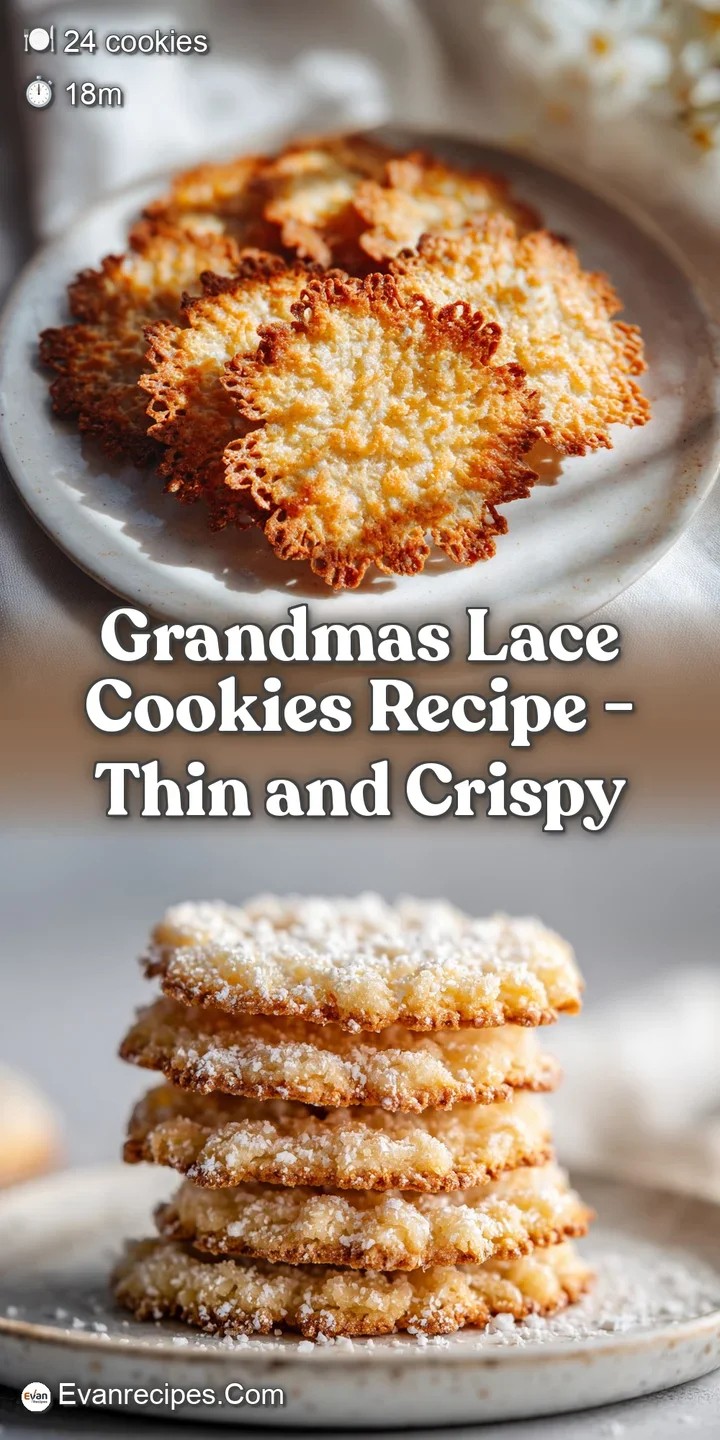
Because of their appearance. When baked correctly, the high sugar content melts and spreads, leaving tiny holes that resemble delicate lacework or a thin, porous structure.
Does Costco have grandmas cookies?
No, these are generally a homemade specialty. While store bakeries often sell thin, crisp cookies, the specific textural and flavor profile of classic "Grandma's Lace" is rarely replicated in mass production.
What is Oprah's favorite chocolate chip cookie?
Oprah has famously endorsed cookies from various bakeries over the years. She has often highlighted cookies that are thick and chewy, such as those from Schmaltz's Bakery or JJ McCain's, rather than the thin, brittle lace style.
Why do grandmas cookies taste different than mine?
It is usually due to ingredient specifics and baking atmosphere. Grandmothers often used specific brands of vanilla, slightly varied sugar ratios, or baked in ovens that held heat differently than modern appliances.
How do I prevent my lace cookies from spreading into one giant sheet?
Chill the dough slightly and ensure proper spacing. Drop the dough onto sheets that are at least 3 inches apart, as they spread significantly when the sugar liquefies in the oven.
Is it true I must use quick cooking oats instead of old-fashioned oats?
Yes, quick cooking oats are essential for the lace effect. Old-fashioned oats are too thick and heavy; they prevent the molten sugar from spreading thinly enough to create the required delicate structure.
How do I get the characteristic brittle "snap" texture?
Bake until the edges are deep amber and cool completely on the hot tray. The sugar must reach the "hard crack" stage, and allowing them 5 minutes on the hot pan helps them set properly before moving to a cooling rack.
Grandmas Lace Cookies Recipe
Ingredients:
Instructions:
Nutrition Facts:
| Calories | 84 kcal |
|---|---|
| Protein | 0.6 g |
| Fat | 4.3 g |
| Carbs | 11.0 g |
| Fiber | 0.4 g |
| Sugar | 8.2 g |
| Sodium | 25 mg |
