Homemade Cold Foam Topping
- Time: Active 2 minutes, Passive 0 minutes, Total 2 minutes
- Flavor/Texture Hook: Silky, cloud like, and subtly sweet
- Perfect for: Mid morning energy boosts or impressive home hosting
- Achieving That Cloud Like Texture for Your Cold Foam
- The Science Behind Perfect Results
- Method Comparison for Aeration Styles
- Component Analysis for Peak Performance
- The Flavor Core Elements for a Rich Topping
- Tools for Creating the Most Silky Micro Bubbles
- The Method to Properly Emulsify Your Topping
- Solving Common Issues for a Smoother Finish
- Plant Based and Low Sugar Alternatives for Everyone
- Scaling for Large Groups or Single Servings
- Budget Alternatives for Premium Toppings
- Deciphering Common Topping Misconceptions
- Preservation Secrets and Reusing Scraps
- Best Pairings to Enhance Your Beverage Experience
- Recipe FAQs
- 📝 Recipe Card
Achieving That Cloud Like Texture for Your Cold Foam
The first time I tried to recreate that thick, velvety topping from the big green coffee chain, it was a total disaster. I thought I could just shake some skim milk in a jar and call it a day. What I got was a thin, bubbly mess that vanished the second it touched my iced latte.
It was frustrating, honestly, because I just wanted that specific sensation of cold, sweet cream hitting my palate before the bitter coffee followed. I realized then that to make cold foam properly, you can't just wing the dairy ratios.
After about a week of experimenting in my kitchen, usually with a caffeine induced hand tremor, I found the "golden ratio." It’s all about the interplay between the heavy cream and the lower fat milk.
The cream provides the scaffolding for the bubbles, while the milk keeps it pourable so it cascades down the sides of the glass like a slow motion waterfall. When you get it right, the foam is dense enough to hold a dusting of cinnamon but light enough to feel like a silk ribbon on your tongue.
We’ve all had those mornings where the coffee feels like a chore rather than a ritual. Adding this whipped layer changes the entire vibe of the day. It turns a quick caffeine fix into a moment of genuine luxury.
Trust me on this, once you see those white swirls dancing into your dark brew, you won't want to go back to plain old creamer. It's about fueling your body and your spirit with something that looks as good as it tastes.
The Science Behind Perfect Results
To understand how to make cold foam, we have to look at how air interacts with fat and protein. It isn't just about mixing; it’s about structural engineering on a microscopic level.
- Lipid Scaffolding: The 36% fat in the heavy whipping cream acts as a stabilizer, trapping air bubbles in a firm network that prevents them from popping.
- Protein Fluidity: Using 2% milk introduces whey and casein proteins which allow the foam to remain fluid and "pourable" rather than turning into stiff whipped cream.
- Thermal Stability: Keeping ingredients at 4°C ensures the fat globules remain solid, creating a much tighter and more resilient bubble structure.
- Solute Surface Tension: The sugar in the vanilla syrup increases the viscosity of the liquid surrounding the bubbles, which slows down the drainage and prevents the foam from collapsing.
Method Comparison for Aeration Styles
| Method | Time | Texture | Best For |
|---|---|---|---|
| Electric Wand | 30 seconds | Very dense / Silky | Daily individual use |
| French Press | 45 seconds | Ultra thick / Sturdy | Hosting 2-3 people |
| Handheld Jar | 2 minutes | Loose / Frothy | Minimal equipment setups |
Selecting the right tool depends on how much "lift" you want in your glass. If you are looking for that thick, stand up peak, the electric wand is king. However, if you're serving a few friends during a weekend brunch, the French press creates a massive volume of micro bubbles that feels incredibly decadent.
I often find myself reaching for the wand for my post workout iced coffee because it's just so fast and the cleanup is non existent.
Component Analysis for Peak Performance
| Ingredient | Science Role | Pro Secret |
|---|---|---|
| Heavy Cream | Provides fat structure | Use "ultra pasteurized" for longer lasting foam stability |
| 2% Milk | Adds fluidity | Cold milk creates smaller, more uniform bubbles |
| Vanilla Syrup | Acts as a surfactant | Chill the syrup to keep the overall temperature low |
Chef's Tip: Chill your glass or metal frothing pitcher in the freezer for 5 minutes before you start. A cold vessel prevents the friction of the whisk from warming up the cream, which is the main reason foam fails to thicken.
The Flavor Core Elements for a Rich Topping
To make cold foam at home that actually tastes better than the coffee shop version, we need to be precise with our elements. We aren't just adding sweetness; we are building a flavor profile that complements the bitterness of the beans.
- 3 tbsp heavy whipping cream (36% fat): Why this? Essential for the "shatter proof" structure of the foam cap.
- Substitute: Heavy coconut cream (full fat) for a tropical, dairy-free twist.
- 2 tbsp 2% milk: Why this? Thinning the cream prevents it from becoming stiff butter like clumps.
- Substitute: Oat milk (barista blend) works best for maintaining the creamy mouthfeel.
- 1 tbsp vanilla simple syrup: Why this? Adds the necessary viscosity and that classic, nostalgic aroma.
- Substitute: Maple syrup for a deeper, earthy sweetness that pairs well with dark roasts.
- 1 pinch fine sea salt: Why this? A tiny amount of sodium cuts the bitterness of the coffee and brightens the vanilla.
- Substitute: A tiny dusting of cinnamon for a warm, spiced finish.
Tools for Creating the Most Silky Micro Bubbles
Having the right gear makes the process of how to make cold foam easy and repeatable every single morning. You don't need a commercial espresso machine, but a few specific items will change your results from "bubbly milk" to "velvety cloud."
First, an electric handheld milk frother is your best friend. Look for one with a high RPM; the faster it spins, the smaller the bubbles. Small bubbles (micro foam) are what give that professional, silky texture. If you don't have one, a small French press is an incredible alternative.
The mesh plunger forces air through the liquid very evenly.
You'll also want a small, narrow vessel. A wide bowl is the enemy of good foam because the whisk can't stay fully submerged. A standard 250ml glass measuring cup or a dedicated stainless steel frothing pitcher is ideal.
Finally, keep a small spoon handy to "groom" the foam, popping any large surface bubbles before you pour.
The Method to Properly Emulsify Your Topping
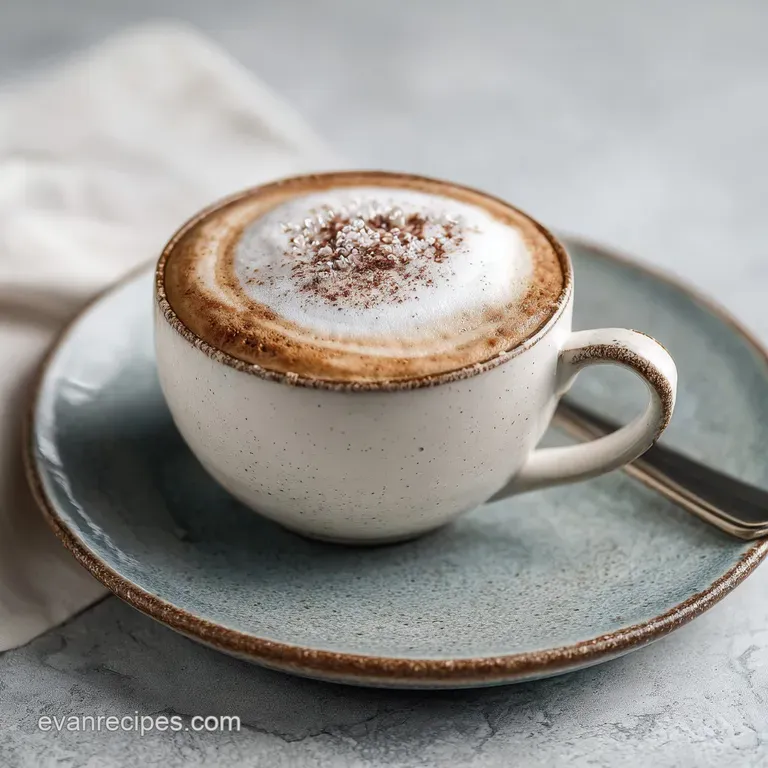
This process is lightning fast, so have your iced coffee ready before you begin. The foam is at its most vibrant and stable the very second you finish whisking.
Phase 1: Cold Assembly
Combine the 3 tbsp heavy whipping cream, 2 tbsp 2% milk, 1 tbsp vanilla syrup, and the pinch of salt in your chilled vessel. Ensure they are all straight from the fridge. Note: Mixing them while cold prevents the fats from separating unevenly.
Phase 2: Aeration Step
Submerge your frother whisk at a slight angle, just below the surface of the liquid. Turn it on and move it slightly up and down for 30 seconds until the volume doubles and no large bubbles remain.
Phase 3: Finishing Texture
Tap the bottom of the container firmly on the counter two or three times. This "settles" the foam and breaks any lingering large air pockets. Note: This creates that uniform, professional look.
Phase 4: The Pour
Slowly pour the mixture over your favorite iced coffee or cold brew. Watch as the foam sits on top for a moment before slowly streaking down through the ice. It's a beautiful sight that makes the morning feel special.
Solving Common Issues for a Smoother Finish
Sometimes, despite our best efforts, the physics of dairy just doesn't cooperate. If your foam looks more like dish soap bubbles than a cloud, it usually comes back to temperature or the age of the cream.
To Fix Thin Foam
If the mixture stays runny after 60 seconds of whisking, your cream might not have a high enough fat content, or it has warmed up too much. To make cold foam without a frother, you might be tempted to shake it in a jar, but this often results in larger, less stable bubbles.
If it's too thin, try adding an extra tablespoon of heavy cream and whisking again for 15 seconds. The added fat will help catch the air.
To Fix Chunky Foam
Over whipping is a real thing. If you go too long, the fat globules will start to clump together, eventually turning into vanilla butter. If it looks "curdled" or chunky, you can actually save it! Stir in one teaspoon of plain 2% milk and whisk gently by hand for five seconds.
This redistributes the liquid and smooths out the texture.
| Problem | Root Cause | Solution |
|---|---|---|
| Large, "soapy" bubbles | Whisk held too high | Submerge whisk deeper to create a vortex |
| Foam disappears instantly | Not enough fat | Increase heavy cream ratio or use colder ingredients |
| Gritty texture | Undissolved sugar | Use liquid syrups instead of granulated sugar |
A quick midday treat is always better when shared. I love serving this over a cold brew while snacking on a Chewy Chocolate Chip recipe. The way the vanilla cream plays off the chocolate is absolutely wholesome.
Common Mistakes Checklist:
- ✓ Using "Half and Half" instead of heavy cream (it lacks the fat to hold air long term).
- ✓ Whisking at room temperature (warm fat cannot trap air effectively).
- ✓ Adding too much syrup (the weight of the sugar can collapse the foam).
- ✓ Not tapping the container on the counter to remove "dead" air.
- ✓ Pouring too fast, which forces the foam to mix into the coffee immediately.
Plant Based and Low Sugar Alternatives for Everyone
You don't have to miss out if you're avoiding dairy or watching your sugar intake. Creating an energizing, wholesome version of this topping is actually quite simple with a few smart swaps.
For Plant Based Alternatives
To make cold foam with milk that isn't from a cow, you need to look for "Barista Edition" plant milks. These are specifically engineered with added fats or stabilizers to mimic the behavior of dairy cream. My favorite is a mix of coconut cream and oat milk.
The coconut provides the thickness, while the oat milk adds a natural, malty sweetness that is incredibly fueling.
For sugar-free Version
If you want to keep things light, you can easily use a sugar-free vanilla syrup. However, be aware that sugar-free syrups are often thinner than traditional simple syrups. You might need to add an extra splash of heavy cream to compensate for the lost viscosity.
This keeps the recipe keto friendly while still delivering that velvety mouthfeel we all crave.
Scaling for Large Groups or Single Servings
When you're hosting a brunch, you don't want to be stuck at the counter frothing individual portions. You can easily scale this up to serve a crowd, but the technique changes slightly to ensure every glass gets that thick cap.
- Scaling Up (4-6 Servings): Use a full sized blender or a large French press. Instead of multiplying everything by six, use 180 ml of heavy cream and 100 ml of milk. Keep the syrup to about 45 ml. Blending on low for 20 seconds is usually enough.
- Scaling Down: This recipe is already perfectly portioned for two people (or one very large treat). If you only want a tiny bit, you can halve the recipe, but it becomes harder for a standard frother to reach the liquid. Use a very narrow shot glass for the best results.
Budget Alternatives for Premium Toppings
| Premium | Budget | Flavor Impact | Savings |
|---|---|---|---|
| Madagascar Vanilla Syrup | Homemade Simple Syrup | Nearly identical if using real extract | €4.00 - €6.00 per bottle |
| Specialized Frothing Pitcher | Mason Jar / Jam Jar | Jar creates larger bubbles | €15.00 - €20.00 |
| Organic Heavy Cream | Store Brand Heavy Cream | No discernible difference in foam height | €1.50 per carton |
For those looking to save without sacrificing quality, making your own syrup is a huge win. Just boil equal parts water and sugar with a splash of vanilla extract. It’s an easy way to keep your morning routine affordable while staying focused on wholesome, homemade ingredients.
Deciphering Common Topping Misconceptions
One of the biggest myths is that you need a special "cold foam" setting on a high end frother to get results. Truthfully, you can achieve the same texture with a €10 handheld whisk. The machine doesn't make the foam; the physics of the ingredients do.
Another common misconception is that "non fat milk foams better." While non fat milk does create a very stiff, dry foam when heated (think of a cappuccino), it doesn't work for cold applications.
Without the fat from the heavy cream, cold non fat milk bubbles are fragile and will pop within seconds of being poured over ice. You need that fat to act as the "glue" for your cloud.
Preservation Secrets and Reusing Scraps
The big question: can you save it for later? The honest answer is that cold foam is best enjoyed fresh. However, if you find yourself with leftovers, don't pour them down the drain!
Storage Guidelines
You can store unused foam in the fridge in an airtight container for up to 24 hours. It will inevitably separate and lose its air. To revive it, simply give it a quick 10 second blast with your frother before serving.
Do not freeze the foam; the ice crystals will destroy the delicate bubble structure and leave you with a watery mess.
Zero Waste Tips
If you have just a tablespoon or two left, stir it into your morning oatmeal or use it as a base for a quick chia pudding. The vanilla and cream are a fantastic way to boost the flavor of a healthy breakfast.
You can also pour leftover foam into an ice cube tray and freeze it to drop into a future iced coffee it won't be "foam" anymore, but it will be a concentrated vanilla cream bomb!
Best Pairings to Enhance Your Beverage Experience
This topping is versatile, but it truly shines when paired with bold, dark flavors. The contrast between the sweet, light foam and a sharp, energizing base is what makes it so addictive.
The Classic Cold Brew
This is the gold standard. The low acidity and chocolatey notes of a good cold brew are the perfect canvas for vanilla foam. If you're feeling adventurous, try adding a dusting of cocoa powder on top. It’s a great way to start a Saturday morning. For a more substantial weekend treat, I often pair this with a Butter Pecan Cake recipe. The nuttiness of the cake against the vanilla foam is pure bliss.
The Iced Matcha Layer
Don't sleep on matcha! A vibrant green iced matcha latte topped with white vanilla foam is not only stunning to look at but tastes like a melted green tea ice cream cone. The earthiness of the tea is perfectly balanced by the sweet cream.
It's a colorful and nutritious way to get your caffeine fix without the coffee jitters.
Right then, you're officially ready to take over the role of your neighborhood's best barista. Let's crack on and get frothing! Once you've mastered the basic vanilla, try adding a drop of peppermint extract or a spoonful of pumpkin puree for seasonal variations.
The possibilities are endless when you know the core science. Happy sipping!
Recipe FAQs
How do you make cold foam at home?
Chill your ingredients and use a high speed whisk. Combine heavy cream, 2% milk, and sweetener in a chilled pitcher, then rapidly aerate with an electric handheld frother for 30 seconds until doubled in volume and silky.
What is cold foam made of?
Heavy whipping cream, milk, and sweetener. The high fat content in the cream provides the necessary stabilization to trap air bubbles, while the lower fat milk keeps the final product pourable rather than stiff.
How do baristas make cold foam?
They use a specialized high speed blender or specialized frother. This equipment injects air at a high shear rate, creating micro bubbles that are extremely stable due to precise temperature and fat ratios.
Is cold foam just whipped half and half?
No, this is a common misconception. Half and half generally lacks the necessary 36% fat content found in heavy cream, resulting in a foam that collapses quickly.
Can I substitute oat milk for 2% milk in cold foam?
Yes, but use a "Barista Edition" oat milk for best results. Standard oat milk can work, but the specialized versions contain extra stabilizers that better mimic the viscosity of dairy milk, which is key for texture stability.
Why does my homemade cold foam disappear so quickly?
The ingredients were likely too warm or the fat content was too low. Cold temperatures are critical because they keep the fat globules solid, creating a firmer structural network to trap the air.
What is the key technique for achieving a dense, pourable foam?
Maintain a very cold temperature and use a balanced fat-to-liquid ratio. The skill of creating stable, micro bubbles by whisking deeply is similar to the emulsification principles used when mastering a Velvety Golden Milk Recipe.
Easy Cold Foam Recipe
Ingredients:
Instructions:
Nutrition Facts:
| Calories | 109 kcal |
|---|---|
| Protein | 1.0 g |
| Fat | 8.4 g |
| Carbs | 7.9 g |
| Fiber | 0 g |
| Sugar | 7.2 g |
| Sodium | 115 mg |
