Custard Bread Pudding: Silky Vanilla Brioche
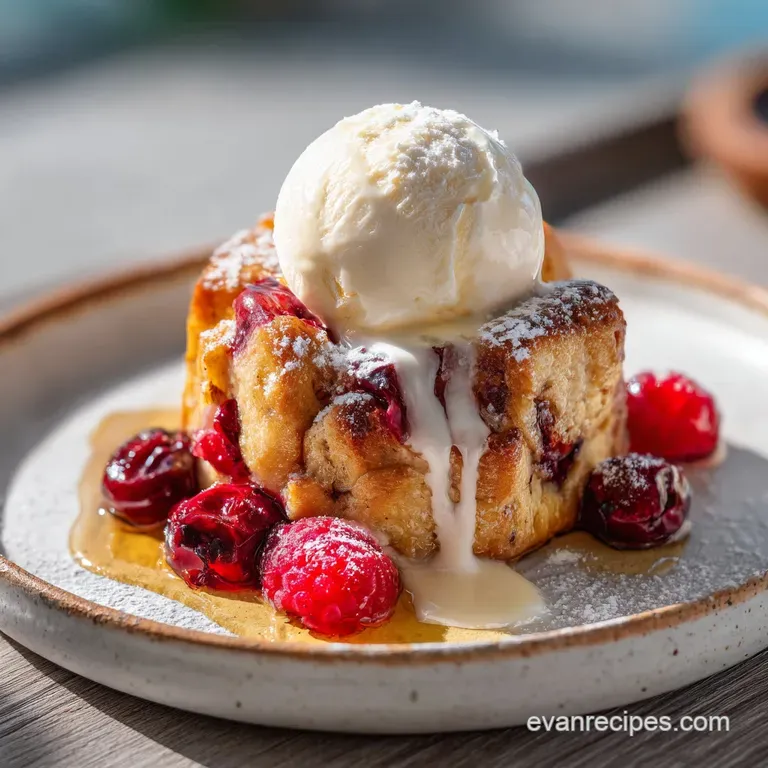
- Time: Active 20 minutes, Passive 45 minutes, Total 1 hours 5 mins
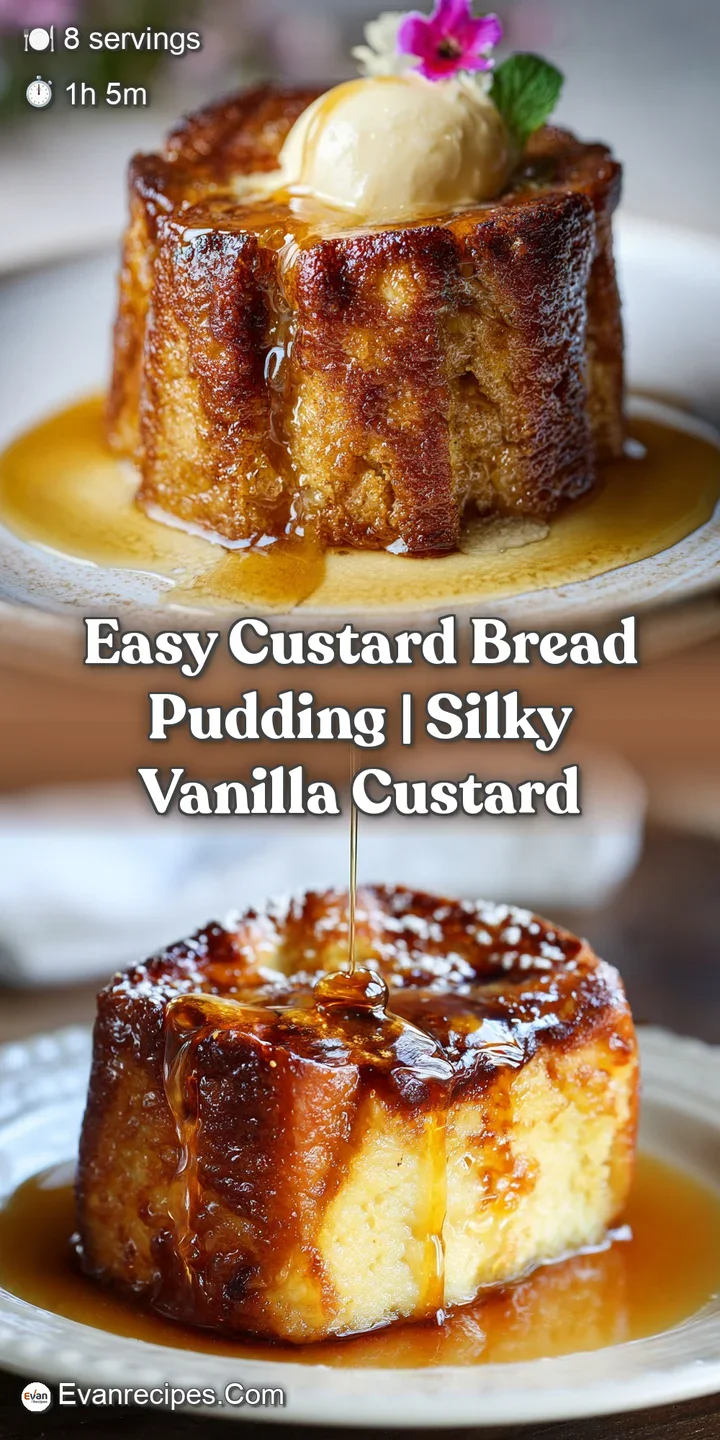
- Flavor/Texture Hook: Silky vanilla bean custard with buttery, toasted brioche
- Perfect for: Holiday brunches, Sunday family dinners, or mastering foundational custard techniques
- Creating the Most Luxurious Custard Bread Pudding
- Why This Works
- Essential Specs for Baking Success
- The Components of a Flawless Custard
- Tools Required for Professional Results
- Master the Eight Step Baking Process
- Solving Common Texture and Flavor Issues
- Adaptations for Different Dietary Needs
- Three Myths About Bread Pudding
- Storage and Smart Leftover Management
- Pairing Ideas for the Best Experience
- Recipe FAQs
- 📝 Recipe Card
Creating the Most Luxurious Custard Bread Pudding
The scent of warm nutmeg hitting melting butter is the first sign that something special is happening in your kitchen. I remember the first time I tried making this; I used fresh, soft bread and ended up with a literal bowl of mush. It was a disaster.
But that failure led me to master the art of dehydration and the precise science of egg coagulation. Now, when I pull this dish out of the oven, the sizzle of the caramel sauce against the hot porcelain is pure music.
We aren't just tossing bread in milk here. We are creating a structured emulsion that supports the weight of the rich brioche without becoming heavy or cloying. You’ll notice the aroma changes from simple sweetness to a deep, toasted vanilla as the Maillard reaction takes hold of the crust.
It's a smell that brings everyone to the kitchen before the timer even goes off.
You're going to love how the 2 large egg yolks add a specific richness that whole eggs alone cannot achieve. It creates a custard so smooth it almost feels like silk on the tongue. We've tested this ratio dozens of times to ensure it sets firmly enough to slice, but remains tender enough to wobble slightly when nudged.
Let’s get into why this specific chemistry works every single time.
Why This Works
- Starch Retrogradation: Using stale or oven dried brioche creates "micro pockets" that act like a sponge, pulling the custard into the center of each cube rather than just coating the surface.
- Fat to Protein Ratio: Combining 2 cups whole milk with 1 cup heavy cream provides enough fat to coat the tongue, while the 4 large eggs plus 2 extra yolks ensure the structure doesn't collapse during cooling.
- Covalent Bonding: The sea salt doesn't just season; it sharpens the perception of the vanilla and cinnamon, cutting through the heavy sugars to prevent "palate fatigue."
- Osmotic Pressure: Allowing the bread to soak for at least 20 minutes ensures the sugar and dairy penetrate the dense crumb of the challah, resulting in a uniform texture throughout the dish.
| Method | Cook Time | Texture Outcome | Best For |
|---|---|---|---|
| Standard Oven | 45 minutes | Crispy top, silky middle | Traditional presentation |
| Stovetop/Steamed | 35 minutes | Uniformly soft, dense | Maximum moisture retention |
| Air Fryer | 25 minutes | Extra crunchy exterior | Small batches/quick cravings |
The choice of method depends entirely on how much contrast you want between the top layer and the center. I personally prefer the oven method because those jagged, buttery edges of brioche that poke out above the custard line turn into golden, crunchy treasures that balance the velvety interior perfectly.
Essential Specs for Baking Success
| Component | Science Role | Pro Secret |
|---|---|---|
| Brioche/Challah | Structural Foundation | Use high egg-content bread; it holds its shape better than standard white bread when saturated. |
| Whole Milk/Cream | Solvent & Fat Source | Never use skim; the lack of fat leads to a rubbery set. The cream provides the "mouthfeel." |
| Egg Yolks | Emulsifying Agent | Extra yolks contain lecithin, which binds the water in the milk to the fats for a smoother finish. |
| Vanilla Bean Paste | Aromatic Depth | Paste contains the seeds which provide "specks" of flavor and a much more intense aroma than liquid extract. |
Selecting your bread is the most critical decision in this process. While many people reach for whatever is on the counter, using a high-quality loaf similar to what you'd use for a Moist Banana Bread recipe ensures the crumb is tight enough to absorb liquid without disintegrating.
The Components of a Flawless Custard
- 1 lb brioche or challah: Cut into 1 inch cubes. Why this? Brioche has a high fat content that prevents the pudding from tasting "bready."Substitute: Croissants for an even richer, flakier texture.
- 4 tbsp unsalted butter: Melted. Why this? Coats the bread to create a moisture barrier and adds nutty flavor.Substitute: Salted butter, but omit the extra sea salt.
- 2 cups whole milk: Why this? The base hydration for the custard.Substitute: 2% milk (will be slightly less creamy).
- 1 cup heavy cream: Why this? Provides the velvety fat content essential for a premium mouthfeel.Substitute: Half and half for a lighter version.
- 4 large eggs: Why this? The primary structural binder for the pudding.Substitute: 5 large eggs if omitting the extra yolks.
- 2 large egg yolks: Why this? Adds richness and prevents a "rubbery" texture.Substitute: None recommended for the best results.
- 3/4 cup granulated sugar: Why this? Sweetens the custard and aids in browning.Substitute: Cane sugar.
- 2 tsp vanilla bean paste: Why this? Delivers intense aroma and visual appeal.Substitute: 1 tbsp pure vanilla extract.
- 1 tsp ground cinnamon: Why this? Provides a warm, woody aromatic note.Substitute: Apple pie spice.
- 1/4 tsp fresh nutmeg: Why this? Adds a savory sweet complexity to the dairy.Substitute: Ground mace.
- 1/2 tsp sea salt: Why this? Balances the sugar and enhances the vanilla.Substitute: Kosher salt.
- 1 cup brown sugar, packed: (For Sauce) Why this? Creates a deep, molasses like caramel.Substitute: Muscovado sugar.
- 1/2 cup unsalted butter: (For Sauce) Why this? Creates the emulsion for the caramel.Substitute: Margarine (not recommended).
- 1/2 cup heavy cream: (For Sauce) Why this? Thins the caramel to a pourable consistency.Substitute: Whole milk (sauce will be thinner).
Creating the custard is very similar to the technique used in a Sausage and Egg recipe, where the ratio of liquid to protein determines the final wobble. In this sweet version, the sugar actually helps delay the egg proteins from bonding too tightly, which is why dessert custards feel softer than savory ones.
Tools Required for Professional Results
You will need a 9x13 inch baking dish for this recipe. If you use a smaller, deeper dish, the center may remain undercooked while the edges over bake. I also highly recommend using a serrated knife to cube the bread; a straight blade tends to squish the airy brioche, damaging the crumb structure we need for absorption.
A large balloon whisk is essential for the custard emulsion. We want to incorporate the eggs and sugar until they are perfectly pale and smooth, but without creating excessive foam. If you have too many bubbles on top, they will cook into a dry, "crusty" egg foam rather than a silky pudding.
Finally,, a small heavy bottomed saucepan is vital for the caramel sauce to prevent the brown sugar from scorching over direct heat.
Master the Eight Step Baking Process
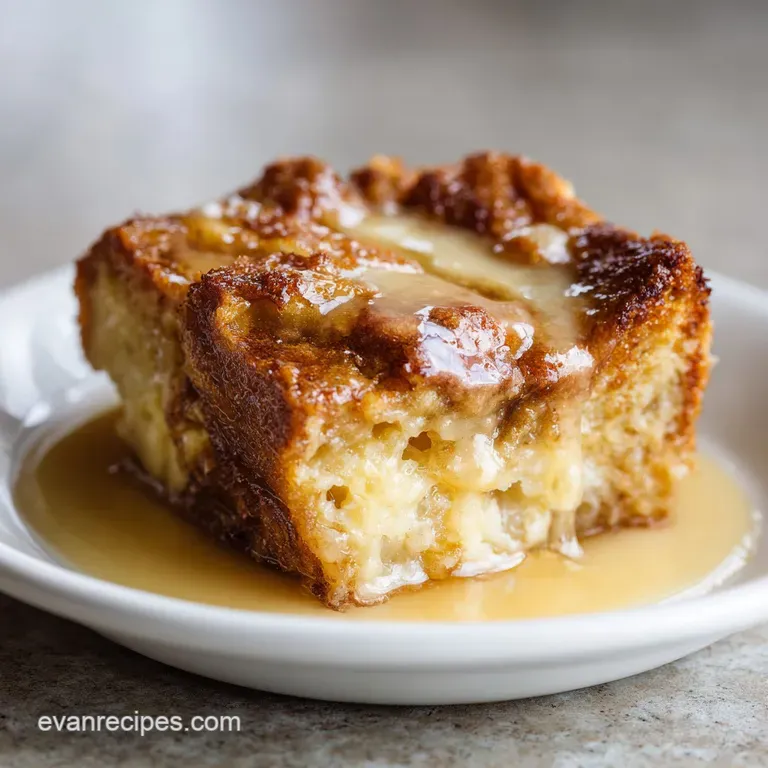
- Prep the Bread: Cut 1 lb brioche into 1 inch cubes and spread them on a baking sheet. Note: If the bread is fresh, bake it at 300°F for 10 minutes until it feels dry and slightly crisp to the touch.
- Butter the Dish: Grease a 9x13 dish, then toss the bread cubes with 4 tbsp melted unsalted butter. Note: This coating prevents the bread from becoming overly soggy during the soak.
- Whisk the Aromatics: In a large bowl, combine 3/4 cup granulated sugar, 1 tsp cinnamon, 1/4 tsp nutmeg, and 1/2 tsp sea salt. Note: Mixing the spices with sugar first prevents "clumping" when the liquid is added.
- Emulsify the Custard: Add 4 large eggs and 2 large egg yolks to the sugar mixture, whisking until the color turns a pale lemon yellow.
- Incorporate Dairy: Slowy pour in 2 cups whole milk, 1 cup heavy cream, and 2 tsp vanilla bean paste. Note: Whisk gently to avoid creating large air bubbles.
- The Deep Soak: Pour the custard over the bread in the baking dish and press down with a spatula. Let it sit for 20 minutes until the bread has absorbed about half the liquid.
- Bake the Pudding: Place in a 350°F oven for 45 minutes until the center wobbles like jelly but the top is golden brown.
- Simmer the Sauce: While baking, melt 1/2 cup butter with 1 cup brown sugar and a pinch of salt in a saucepan, then whisk in 1/2 cup heavy cream. Simmer for 3 minutes until glossy and thick.
Solving Common Texture and Flavor Issues
Why Your Pudding is Watery
If you find a pool of liquid at the bottom of the dish, it’s usually because the bread didn't have enough "thirst." Fresh bread is already saturated with moisture, so it can't pull in the custard. Always ensure your bread is stale or oven toasted.
Another cause is underbaking; the egg proteins need to reach 160°F to fully set the surrounding liquid.
Why It Tastes "Eggy"
An "eggy" flavor often happens when the custard cooks too fast, causing the proteins to sulfurize. Using a water bath (bain marie) can help, but simply ensuring you don't overbake is the best fix. The moment the center doesn't "slosh" but still "jiggles," it needs to come out of the oven.
The carryover heat will finish the job without making the eggs taste like a breakfast omelet.
| Problem | Root Cause | Solution |
|---|---|---|
| Greasy texture | Butter didn't emulsify | Whisk eggs and sugar more vigorously before adding dairy. |
| Dry top layer | Bread not submerged | Press cubes down halfway through the soaking period. |
| Curdled custard | Oven temp too high | Use an oven thermometer to verify 350°F; bake on middle rack. |
Common Mistakes Checklist
- ✓ Never skip the "staling" process for the bread; moisture is the enemy of absorption.
- ✓ Ensure the heavy cream is at room temperature before whisking into the eggs to prevent "shocking" the fats.
- ✓ Don't over mix the sauce; once it thickens and glosses, remove it from heat to prevent separation.
- ✓ Let the pudding rest for 10 minutes after baking; this allows the starch to firm up for cleaner slices.
- ✓ Use fresh grated nutmeg if possible; the oils in fresh nutmeg provide a much punchier aroma than the pre ground dust.
Adaptations for Different Dietary Needs
Reducing the recipe for a smaller household is quite simple. To make a half batch, use an 8x8 pan and reduce the bake time by about 10 minutes. Since the recipe calls for 2 extra yolks, for a half batch, you would use 2 whole eggs and 1 yolk.
The sauce scales down perfectly by just halving all measurements.
When scaling up for a large crowd (2x), I recommend using two separate 9x13 dishes rather than one deep dish. If the pudding is too deep, the exterior will dry out long before the center reaches the safe 160°F internal temperature.
Keep the spices at 1.5x for a double batch to avoid the cinnamon becoming too medicinal in flavor.
| Goal | Adjustment Strategy | Outcome |
|---|---|---|
| Ultra Crispy Top | Sprinkle 2 tbsp turbinado sugar on top before baking | A glass like, "shatter" crust |
| Lighter Texture | Swap 1 cup cream for 1 cup whole milk | Less decadent, more like a traditional bread bake |
| Boozy Kick | Add 2 tbsp bourbon to the caramel sauce | Deep, oaky notes that cut the sweetness |
Three Myths About Bread Pudding
One common misconception is that you need expensive "artisan" bread for a great result. While brioche is fantastic, even basic white sandwich bread can work if it is properly dried out. The "magic" is in the custard ratio, not just the price of the loaf.
Another myth is that you must use a water bath. While a bain marie ensures a very even cook, it often results in a "steamed" texture that lacks the crispy, toasted bread peaks that many people love. If you use the correct ratio of cream to eggs, the pudding will stay creamy without the extra fuss of a water bath.
Finally, people often think the pudding is "done" when a knife comes out clean. In reality, a knife will always come out slightly wet because of the high dairy content. You should look for the "jiggle" factor and golden browning rather than the "clean knife" test used for cakes.
Storage and Smart Leftover Management
Store any leftovers in the refrigerator for up to 4 days. Keep it in an airtight container to prevent the bread from absorbing "fridge smells." To reheat, avoid the microwave if possible as it makes the bread rubbery.
Instead, place a slice in a 350°F oven for 8 minutes; this will recrisp the edges while gently warming the center.
For zero waste cooking, don't throw away the crusts if you decide to trim your bread. Toast them into sweet croutons for salads or grind them into "dessert breadcrumbs" to top yogurt or ice cream.
If you have leftover caramel sauce, it stays perfect in a glass jar for up to two weeks and is incredible drizzled over morning oatmeal or a bowl of sliced apples.
Pairing Ideas for the Best Experience
- The Warm Caramel Drizzle: Always serve the sauce warm. If it has thickened too much in the fridge, add a splash of cream and microwave for 15 seconds.
- High Contrast Toppings: A scoop of cold, tart crème fraîche or Greek yogurt provides a beautiful temperature and flavor contrast to the hot, sweet pudding.
- Fresh Fruit: Sliced macerated strawberries or tart raspberries cut through the richness of the heavy cream and egg yolks.
This dish is a masterclass in texture management. Once you understand how the bread's dryness dictates the custard's success, you can apply that knowledge to everything from French toast to savory strata. It's a reliable, tested method that turns simple ingredients into something truly masters level.
Enjoy the process, and especially enjoy that first, warm, velvety bite!
Recipe FAQs
Can you make bread pudding with custard?
Yes, that is the standard base. Bread pudding fundamentally requires a rich egg and dairy mixture, which is exactly what constitutes a set custard.
How does custard differ from pudding?
Custard is based on eggs for thickening, while pudding relies primarily on starch. Custard sets through protein coagulation, resulting in a richer, silkier texture than starch thickened puddings.
How to make custard for bread and butter pudding?
Whisk eggs and sugar until pale, then slowly temper in warm milk and cream. Ensure you mix in spices before the dairy to prevent clumping and allow the mixture to rest briefly for aeration.
Can I use store-bought custard for bread pudding?
You can, but it is not recommended for the best texture. Pre-made, stabilized custards often contain gums or starches that change the final set structure of the baked pudding.
Is it true I must use stale bread or it will collapse?
No, this is a common misconception about taste, but it is vital for texture. Using fresh bread releases too much moisture, which results in a dense, mushy center rather than a set structure.
What is the ideal soaking time for the bread?
Allow the bread to soak for a minimum of 20 minutes. This ensures the sugar and dairy fully penetrate the dense crumb of the brioche or challah before baking begins.
Why does my pudding taste overly eggy?
The pudding was likely overbaked or cooked at too high a temperature. Remove the dish when the center still gently jiggles, as carryover heat will finish setting the structure perfectly without an eggy flavor.
Custard Bread Pudding Recipe
Ingredients:
Instructions:
Nutrition Facts:
| Calories | 732 kcal |
|---|---|
| Protein | 12.3 g |
| Fat | 45.3 g |
| Carbs | 72.6 g |
| Fiber | 1.4 g |
| Sugar | 51.2 g |
| Sodium | 312 mg |
