Vanilla Ice Cream: Creamy and Silky
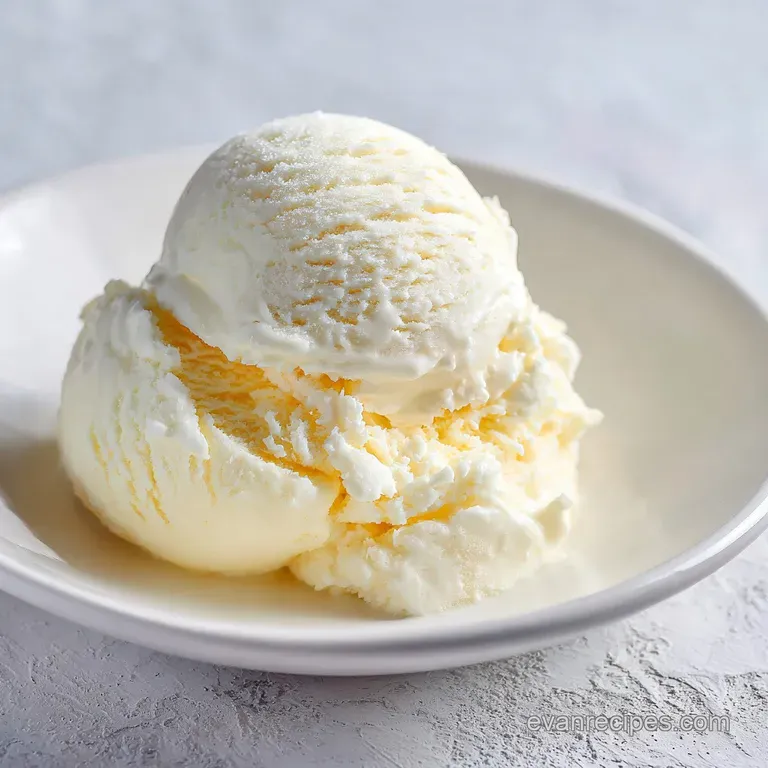
- Time: Active 15 minutes, Passive 275 minutes, Total 290 minutes
- Flavor/Texture Hook: Intensely floral vanilla with a buttery, velvety mouthfeel
- Perfect for: Sunday family dinners, birthday celebrations, or a mastered kitchen staple
Achieve Velvet Texture: Perfect Vanilla Ice Cream
Vanilla isn't just "plain." That’s the first thing we need to clear up before we even touch a saucepan. Long before it was the default flavor for every milkshake on the planet, vanilla was a rare treasure.
The Totonac people of Mexico were the first to master the cultivation of the vanilla orchid, and for centuries, it was a flavor reserved for the highest echelons of society. When Thomas Jefferson brought back a recipe from his time in France, he wasn't just bringing back a cold dessert; he was bringing back a masterpiece of culinary contrast the warmth of floral aromatics met with the biting chill of the ice.
There's a specific magic that happens when you split a fresh vanilla bean. That aroma hits you earthy, sweet, and slightly woody and you realize that the bottled stuff, while fine for a quick batch of cookies, can't touch the complexity of the actual pod.
This recipe is an homage to that traditional French custard style. It’s about the contrast between the high fat heavy cream and the lean whole milk, balanced perfectly to ensure your tongue isn't coated in wax but feels draped in silk.
We're going to treat these ingredients with the respect they deserve. No shortcuts, no "no churn" hacks that rely on condensed milk (which always ends up too sweet and one dimensional).
We are building a real custard, controlling the temperature to the degree, and aging the base so the proteins have time to do their job. If you’ve ever felt like your homemade batches were a bit icy or lacked that professional "chew," you’re in the right place.
Let’s get into the mechanics of why this works.
Why This Formula Wins
Understanding the "why" transforms you from a recipe follower into a kitchen master. Ice cream is a delicate balance of water, fat, and air. If the water isn't "bound" correctly, it turns into large ice crystals that make the texture feel like a slushy rather than a cream.
- Solid Management: Skim milk powder increases the "milk solids not-fat," which absorbs excess water and prevents the formation of large ice crystals.
- Protein Hydration: Resting the base for 4 hours allows the milk proteins to swell and hydrate, leading to a much smoother churn and a more stable structure.
- Temperature Control: Heating the base to exactly 170°F (77°C) denatures the whey proteins, which helps the mixture trap air more effectively during churning.
- Fat Balance: Mixing the heavy cream (36% fat) in after the heating process preserves the fresh flavor of the cream while stopping the cooking of the milk and sugar.
| Method | Total Time | Final Texture | Shelf Life |
|---|---|---|---|
| Stovetop Custard (This) | 290 minutes | Velvety, dense, professional | 2-3 weeks |
| No Churn Shortcut | 20 minutes | Airy, mousse like, very sweet | 3-5 days |
| Philadelphia Style | 30 minutes | Lighter, cleaner, more icy | 1 week |
Choosing the stovetop custard method is a commitment to quality. While it takes longer due to the aging phase, the result is a dessert that doesn't just melt into a puddle but holds its shape and offers a rich, lingering flavor.
Essential Base Components
Every ingredient here serves a structural purpose. We aren't just adding things for flavor; we are building a physical matrix that can withstand freezing temperatures without turning into a brick.
| Ingredient | Role | Pro Secret |
|---|---|---|
| Skim Milk Powder | Water Binder | Adds "chew" without adding extra fat or sugar. |
| Whole Vanilla Bean | Primary Aromatic | Use the pod in the heat, then the seeds for the soak. |
| Fine Sea Salt | Flavor Contrast | Sharpens the sweetness and makes the vanilla "pop." |
| Heavy Cream (36% Fat) | Mouthfeel | Cold addition stops the "cooked milk" flavor from dominating. |
This custard base is remarkably similar in its flavor profile to what I use for my Custard Bread Pudding, where the balance of fat and sugar is everything.
- Whole Milk (2 cups / 480ml): The foundation. Why this? Provides the water content needed for the base structure.
- Heavy Cream (1 cup / 240ml): 36% fat is non negotiable. Why this? Essential for that buttery, luxurious mouthfeel.
- Granulated Sugar (0.5 cup / 100g): Sweetness and freezing point depression. Why this? Keeps the ice cream from freezing into a solid block.
- Skim Milk Powder (2 tbsp / 20g): The secret to smooth texture. Why this? Soaks up water that would otherwise turn into ice shards.
- Fine Sea Salt (0.25 tsp): The balancer. Why this? Cuts through the richness to highlight the vanilla notes.
- Vanilla Bean (1 whole): The star. Why this? Provides thousands of tiny seeds and a complex floral aroma.
- Pure Vanilla Extract (2 tsp): Secondary layer. Why this? Adds a different "top note" of vanilla that survives the freeze better.
| Original Ingredient | Substitute | Why It Works |
|---|---|---|
| Whole Milk | 2% Milk | Thinner texture; add 1 extra tbsp milk powder to compensate. |
| Vanilla Bean | 1 tbsp Vanilla Paste | Similar seed count and flavor intensity without the scraping. |
| Granulated Sugar | Cane Sugar | Slightly more caramel like undertones. Note: Slower to dissolve. |
It is worth noting that while you can swap things around, the 36% fat in the heavy cream is what gives this its "premium" label. If you go lower, you'll notice a significant loss in that velvety coating on the palate.
Tools for Success
You don't need a professional laboratory, but precision is your friend here. A heavy bottomed saucepan is vital because it distributes heat evenly, preventing the milk from scorching at the corners. Scorched milk has a "burnt" flavor that is impossible to hide in a delicate vanilla profile.
A digital thermometer is the most important tool in your arsenal. We are targeting a very specific temperature (170°F) to ensure the proteins behave, but we must stay below the boiling point to avoid a grainy, curdled mess. You'll also need a fine mesh strainer.
Even if you're careful, little bits of milk skin or larger chunks of the vanilla pod can make it into the mix, and we want this to be perfectly smooth.
Finally,, your ice cream maker. Whether it's a bowl you freeze overnight or a compressor model, make sure it’s ready to go. If the bowl isn't cold enough, the mix will never reach that soft serve consistency, and you'll end up with a bowl of cold soup.
step-by-step Churning Process
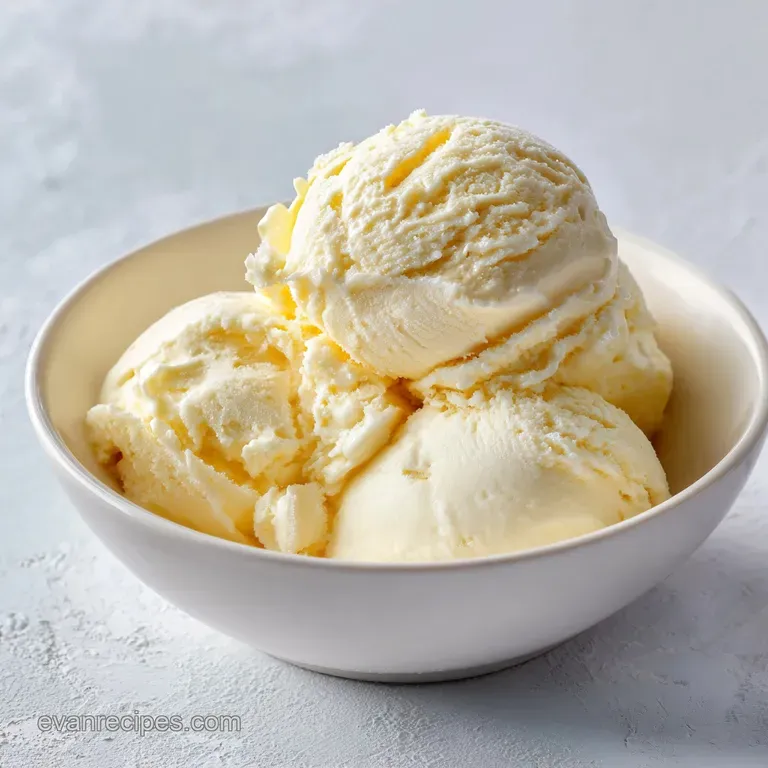
- Combine the 2 cups whole milk, 0.5 cup sugar, 2 tbsp milk powder, and 0.25 tsp salt in a heavy bottomed saucepan. Note: Whisking the dry ingredients into cold milk prevents clumps.
- Split the vanilla bean lengthwise and scrape the seeds into the pot; toss the empty pod in as well.
- Place the pan over medium low heat and whisk constantly until a digital thermometer reads 170°F (77°C).
- Remove the pan from the heat immediately to prevent over cooking the proteins.
- Stir in the 1 cup heavy cream and 2 tsp vanilla extract. Note: Adding the cold cream now "shocks" the mixture and stops the heat.
- Pour the mixture through a fine mesh strainer into a clean glass bowl. Look for a silky, pale yellow liquid.
- Press plastic wrap directly onto the surface of the liquid to prevent a skin from forming.
- Refrigerate for at least 4 hours (or up to 24) until the base is thoroughly chilled to the touch.
- Churn in your ice cream machine according to the manufacturer's directions. Watch for it to look like thick, matte soft serve.
- Transfer to a chilled container and freeze for at least 4 hours until the texture is firm and scoopable.
Fixes for Common Flaws
Even the most seasoned cooks hit snags. The most common heartbreak in homemade ice cream is the "iciness." This usually happens if the base wasn't cold enough before it went into the machine, or if the machine took too long to churn. The faster it freezes, the smaller the ice crystals, and the smoother the result.
Gritty or Sandy Texture
If your ice cream feels like it has tiny grains of sand in it, it’s usually one of two things: lactose crystals or undissolved milk powder. This happens if the mixture was cooled too slowly or if the milk powder wasn't whisked in thoroughly at the start.
The Base Won't Churn
If you’ve been churning for 30 minutes and it’s still liquid, your freezer bowl wasn't cold enough. These bowls need at least 24 hours in the back of a very cold freezer. If you can hear liquid sloshing inside the bowl when you shake it, it's not ready.
| Problem | Root Cause | Solution |
|---|---|---|
| Gummy Texture | Too much milk powder | Stick strictly to the 2 tbsp measurement. |
| Icy Shards | Slow freezing | Chill the base to 40°F before churning and pre chill the storage tub. |
| Separation | Boiling the base | Never let the mixture exceed 170°F; remove from heat immediately. |
- ✓ Preheat your saucepan slightly before adding liquids to ensure even heating.
- ✓ Use a silicone spatula to scrape the bottom of the pan constantly while heating.
- ✓ Always strain the base twice if you see any "flecks" that aren't vanilla seeds.
- ✓ Place the storage container in the freezer 30 minutes before the churn finishes.
- ✓ Don't overfill the ice cream maker; the mix needs room to expand as air is incorporated.
Scaling the Recipe
If you’re throwing a big summer party and need to double this, it’s relatively straightforward. However, don't just double the salt and vanilla extract. Use 1.5x the amount of salt and 1.5x the vanilla extract first, then taste. Spices and seasonings often amplify more than the bulk ingredients.
When doubling, you will likely need to churn in two separate batches unless you have a professional grade compressor machine.
For a half batch, the timing for heating will be much faster. Keep a very close eye on that thermometer, as a smaller volume of milk can jump from 140°F to 180°F in a matter of seconds.
Use a smaller saucepan to maintain the depth of the liquid so the thermometer can get an accurate reading.
Debunking Ice Cream Lore
One of the biggest misconceptions is that you need eggs for a rich ice cream. While "French Style" traditionally uses yolks, this "Sicilian Style" (using milk solids or starch) provides a cleaner flavor profile.
Egg yolks can sometimes mask the delicate floral notes of a high-quality vanilla bean with their "custardy" richness. This version is for the vanilla purists.
Another myth is that you can just toss everything in a blender and freeze it. While that makes a "frozen dessert," it won't be ice cream. Without the churning process to incorporate air (overrun), you’re just making a flavored ice block.
The churn is what creates the "shatter" of the cold against your teeth followed by the immediate melt away on the tongue.
Preservation and Leftovers
Store your ice cream in the coldest part of your freezer usually the very back, away from the door. Every time you open the freezer door, the surface of the ice cream melts slightly and then refreezes, which creates those dreaded ice crystals on top.
To prevent this, press a piece of wax paper or parchment paper directly onto the surface of the ice cream before closing the lid.
This batch will stay at peak quality for about 2 weeks. After that, it won't go "bad," but the texture will slowly degrade. If you find yourself with leftover melted base (perhaps you didn't have room in the churn), don't throw it away! It makes an incredible creamer for your morning coffee. In fact, if you want to go full barista mode, drizzle some Vanilla Coffee Syrup over the finished scoop for a double hit of aromatics.
Elegant Serving Ideas
Presentation is where you can really lean into the "contrast" angle. A scoop of this velvety cream looks stunning against something with a completely different texture. I love serving a big, round scoop on top of a warm piece of Custard Bread Pudding where the heat of the pudding starts to melt the edges of the ice cream into a thick sauce.
If you want to keep it simple, focus on the "crunch." A sprinkle of flaky sea salt and a drizzle of high-quality olive oil might sound strange, but the fat in the oil and the sharp salt crystals make the vanilla taste incredibly sophisticated. You can also crush up some Vanilla Rice Crispy Treats to use as a "soil" underneath the scoop for a playful, textural contrast.
Remember to temper your ice cream before serving. Take the container out of the freezer and let it sit on the counter for about 5 to 7 minutes. This allows the fat to soften just enough that the scoop glides through the cream, creating those beautiful, ruffled "ribbons" that signify a perfectly made batch.
Trust me, the wait is worth the better mouthfeel.

Recipe FAQs
What is the very best vanilla ice cream?
The best version uses whole vanilla beans. Scraping the seeds directly into the base provides an aromatic depth and visual appeal that extract alone cannot achieve.
What kind of ice cream can heart patients eat?
Consult your medical professional before consumption. This recipe contains dairy and sugar, so you should monitor your portions and ensure it aligns with your specific dietary management plan.
Is there magnesium in ice cream?
Yes, trace amounts are present. Whole milk and cream naturally provide small quantities of magnesium, though ice cream is not considered a primary dietary source of the mineral.
What are the basic ingredients for vanilla ice cream?
You need whole milk, heavy cream, sugar, milk powder, salt, a vanilla bean, and vanilla extract. These seven components form the structure and flavor profile of the base.
How to avoid an icy, crystalline texture in the finished scoop?
Chill the base for at least 4 hours before churning. Proper hydration of the proteins during refrigeration creates a smoother mouthfeel, a principle of emulsion stability similar to the one we use for our creamy peanut butter treats.
How to ensure the custard base does not curdle?
Whisk constantly over medium low heat until it hits 170°F (77°C). Removing it from the heat immediately prevents the proteins from over coagulating, which keeps the texture silky.
Is it true I should boil the milk mixture to extract more flavor?
No, this is a common misconception. Boiling will cause the milk proteins to denature incorrectly and can create a burnt flavor; keep the temperature steady at 170°F (77°C) to preserve the delicate vanilla notes.
Creamy Vanilla Bean Ice Cream
Ingredients:
Instructions:
Nutrition Facts:
| Calories | 197 kcal |
|---|---|
| Protein | 3.5 g |
| Fat | 13.1 g |
| Carbs | 16.8 g |
| Fiber | 0.1 g |
| Sugar | 16.5 g |
| Sodium | 106 mg |
