Peanut Butter Fudge: Creamy and Homemade
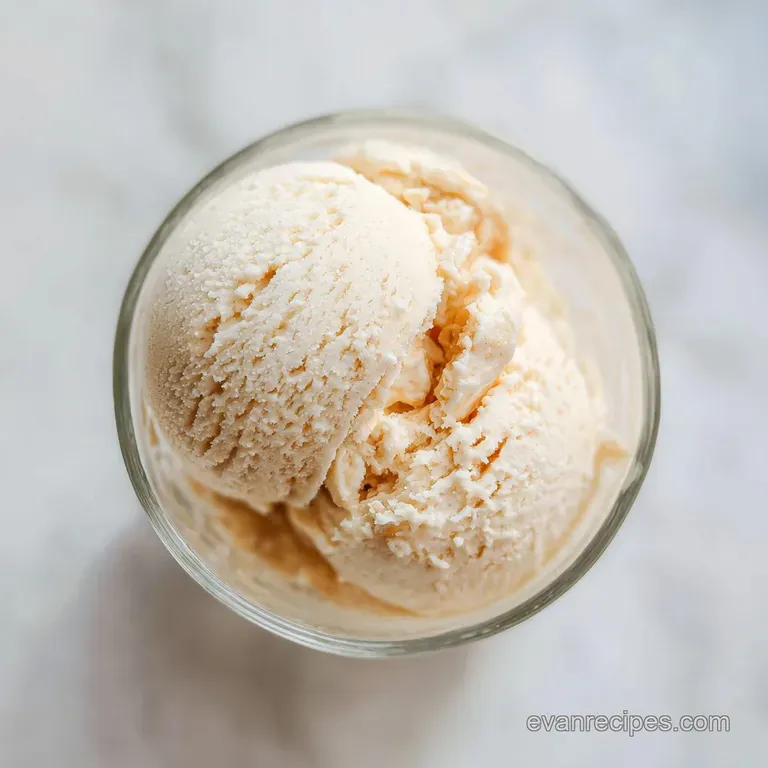
- Time: Active 10 minutes, Passive 5 minutes, Total 15 minutes
- Flavor/Texture Hook: Intensely creamy with a melt on-the tongue finish
- Perfect for: Holiday gift boxes, afternoon pick me-overs, or a beginner’s first candy project
- Why This Velvet Peanut Butter Fudge Rules
- Essential Specs for the Perfect Batch
- Science Behind the Velvet Smooth Texture
- Choosing the Best Ingredients for Flavor
- Vital Equipment for Your Candy Kitchen
- Mastering the Step-by-Step Cooking Process
- How to Fix Common Fudge Disasters
- Creative Ways to Customize Your Fudge
- Best Practices for Storing Your Treats
- Ideas for Perfect Pairings
- Recipe FAQs
- 📝 Recipe Card
Why This Velvet Peanut Butter Fudge Rules
The scent of warming peanut butter is one of the most comforting aromas a kitchen can hold, especially when it begins to meld with the milky, caramelized notes of sweetened condensed milk.
Fudge has a fascinating history that supposedly began as a "failed" batch of French fondant in the late 19th century at Vassar College. What was meant to be smooth and creamy ended up slightly crystalline and firm, yet it captured the hearts of students immediately.
It is this specific contrast the rich, savory weight of the peanuts against the bright, lifting sweetness of the sugar that makes this specific version so addictive.
When you make this, you are not just mixing ingredients; you are managing a delicate balance of fats and solids. I remember the first time I tried a shortcut version that used marshmallow fluff, and while it was okay, it lacked that sophisticated, deep roasted flavor that only a high-quality no stir peanut butter provides.
We want a result that feels substantial when you bite into it but then dissolves without any graininess or resistance. It’s about achieving that specific "velvet" mouthfeel that separates a hobbyist's candy from a master’s confection.
You might be tempted to rush the cooling or skip the sifting, but I promise the reward for patience is a square of candy that looks like it came from a professional boutique. The salt is the secret hero here, cutting through the heavy sugar to wake up your taste buds and keep you reaching for just one more small piece.
It is a masterclass in simplicity, proving that five well chosen components can create something far more complex than the sum of their parts.
Essential Specs for the Perfect Batch
Fat Suspension: The high fat content in 18 oz of creamy peanut butter prevents the sugar from forming large, jagged crystals, resulting in a smooth bite.
Protein Binding: The proteins in the 14 oz of sweetened condensed milk act as an emulsifier, holding the oils from the peanuts in a stable matrix so they don't leak out.
Moisture Control: Using 3 cups of confectioners' sugar instead of granulated sugar ensures the mixture thickens quickly without needing to reach the traditional "soft ball" stage on a thermometer.
Temperature Management: Keeping the heat low ensures the milk solids don't scorch, which would introduce a bitter, burnt note to the delicate vanilla profile.
| Method | Total Time | Final Texture | Best For |
|---|---|---|---|
| Stovetop (This Recipe) | 15 minutes | Ultra velvety and uniform | Maximum flavor control |
| Microwave Shortcut | 8 minutes | Slightly softer, can be oily | Quick cravings/kids |
| Slow Cooker | 1.5 hours | Denser, more caramelized | Large holiday batches |
The stovetop method outlined here provides the most reliable results because you can physically see the emulsion happening in real time. By slowly warming the fats, you ensure that every molecule of sugar is eventually coated, preventing that dreaded "sandy" texture that ruins lower quality fudges.
Science Behind the Velvet Smooth Texture
| Ingredient | Science Role | Pro Secret |
|---|---|---|
| Peanut Butter (18 oz) | Provides structural fat and flavor | Use "no stir" brands to keep the emulsion from breaking during the melt. |
| Condensed Milk (14 oz) | Acts as the moisture source and binder | Scrape the can thoroughly; that last tablespoon is vital for the protein ratio. |
| Confectioners' Sugar (3 cups) | Supplies the crystalline structure | Sift it twice if you live in a humid climate to remove every tiny clump. |
| Sea Salt (0.5 tsp) | Sharpens the flavor profile | Use fine grain salt so it dissolves instantly rather than leaving crunchy pockets. |
This specific ratio of ingredients works because it mimics the chemistry of a traditional fudge without the risk of over boiling. When we fold in the vanilla extract at the very end, we are protecting the volatile aromatic compounds that would otherwise evaporate if added to a bubbling pot. Much like when I'm balancing the fats in a homemade peanut butter cake, the goal here is to keep the oil suspended within the sugar solids for a clean, non greasy finish.
Choosing the Best Ingredients for Flavor
For the base of this recipe, you must use 18 oz of creamy no stir peanut butter (like Jif or Skippy). Natural varieties where the oil separates at the top are too unstable for this specific ratio and can lead to a greasy mess.
The 14 oz of sweetened condensed milk is non negotiable do not confuse it with evaporated milk, or your fudge will never set.
- 14 oz Sweetened Condensed Milk: The thick, sugary backbone. Why this? Provides moisture and sugar in a pre dissolved, stable state.
- Substitute: Cream of coconut (sweetened) for a tropical twist, though it will be softer.
- 18 oz Creamy Peanut Butter: The primary flavor and fat source. Why this? The stabilizers in "no stir" brands ensure a perfectly smooth emulsion.
- Substitute: Almond butter (no stir style) works well but has a milder flavor.
- 3 cups Confectioners' Sugar: The thickening agent. Why this? Contains cornstarch which helps stabilize the fudge at room temperature.
- Substitute: Homemade powdered sugar (blended granulated sugar) if in a pinch.
- 1 tsp Pure Vanilla Extract: The aromatic enhancer. Why this? Rounds out the harshness of the sugar with floral notes.
- Substitute: Maple extract for a "pancake" flavor profile.
- 0.5 tsp Sea Salt: The flavor balancer. Why this? Essential to contrast the heavy sweetness of the condensed milk.
- Substitute: Kosher salt (use 0.75 tsp for similar salinity).
Vital Equipment for Your Candy Kitchen
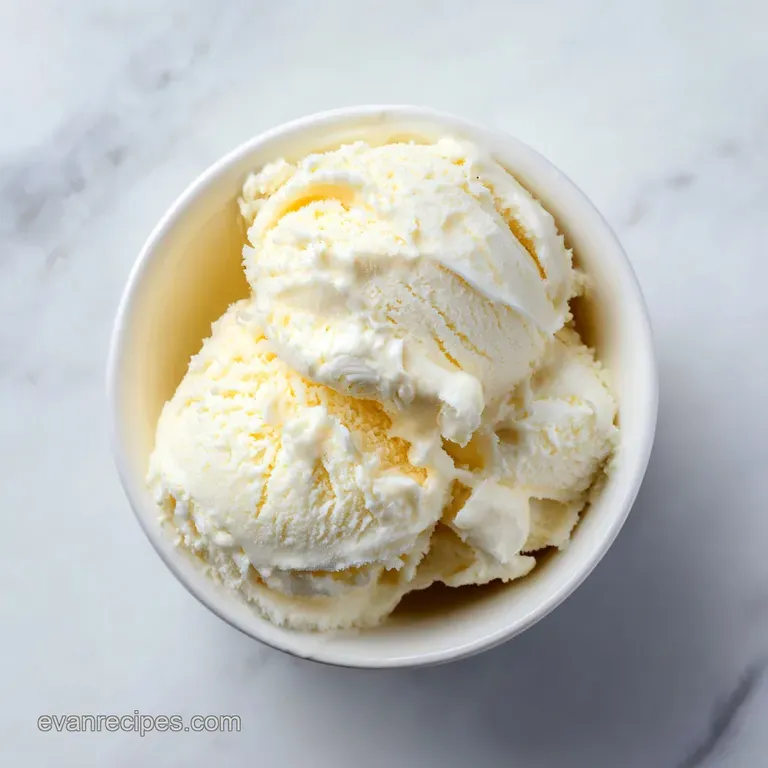
You don't need a lab, but a heavy bottomed saucepan is your best friend here. Thin pans have "hot spots" that can scorch the condensed milk in seconds. A silicone spatula is also essential; it allows you to scrape the bottom and corners of the pan effectively, ensuring no sugar gets left behind to crystallize and create a grainy batch.
| Feature | Fresh (Stovetop) | Shortcut (Microwave) |
|---|---|---|
| Texture Depth | Multi layered and rich | One dimensional sweetness |
| Shelf Stability | Stays firm at room temp | Can get "sweaty" quickly |
| Aromatic Quality | Vanilla is folded in cold | High heat can dull flavors |
Using a square 8x8-inch pan is the secret to getting those thick, professional looking cubes. If you use a 9x13 pan, your fudge will be too thin and lack that satisfying "heft" when you pick it up.
Always line it with parchment paper with a bit of overhang; this allows you to lift the entire block out once it's set, making your cuts significantly cleaner.
Mastering the step-by-step Cooking Process
- Prepare the pan. Line an 8x8-inch square baking pan with parchment paper, leaving an overhang on the sides for easy removal. Note: This is your insurance policy for perfect squares.
- Combine the base. In a heavy bottomed medium saucepan over low heat, combine the 14 oz of sweetened condensed milk and 18 oz of creamy peanut butter.
- Stir for emulsion. Stir constantly until the mixture is smooth, glossy, and fully incorporated. Do not allow the mixture to reach a boil.
- Kill the heat. Remove the pan from the heat immediately. Wait for the bubbling to stop before adding the next ingredient.
- Sift the sugar. Sift the 3 cups of confectioners' sugar into the mixture in two batches to ensure a silky texture. Note: Sifting prevents "sugar boulders" in your final fudge.
- Add the aromatics. Add the 1 tsp vanilla extract and 0.5 tsp sea salt to the pot.
- Fold the mixture. Use a silicone spatula to fold the mixture until no white streaks remain and it becomes thick and heavy.
- Transfer and smooth. Transfer the mixture to the prepared pan, smoothing the top with the back of a spoon.
- Chill for setting. Refrigerate for at least 2 hours until the center is firm to the touch.
- Slice and serve. Lift the parchment, place on a board, and cut into 36 equal squares.
How to Fix Common Fudge Disasters
One of the biggest heartbreaks in candy making is a batch that feels like sandpaper on the tongue. This usually happens when the confectioners' sugar wasn't sifted or if the mixture was stirred too aggressively after it started to cool.
If your fudge seems to be "leaking" oil, it usually means the heat was too high, causing the peanut butter to break its emulsion.
Why Your Fudge Feels Gritty
If the texture is sandy, the sugar didn't fully integrate with the fats. This happens if the mixture cools down too much before the sugar is fully folded in. You can sometimes fix this by gently reheating the whole mess over a double boiler and adding a teaspoon of warm milk to help the crystals dissolve.
| Problem | Root Cause | Solution |
|---|---|---|
| Oily Surface | Heat was too high | Blot with paper towel; chill immediately |
| Crumbly Texture | Too much sugar added | Fold in 1 tbsp of peanut butter |
| Won't Set Firm | low-fat milk used | Freeze for 1 hour, serve cold |
Common Mistakes Checklist
- ✓ Never use "Natural" peanut butter with oil separation; it will likely split.
- ✓ Ensure the saucepan is completely dry before starting to avoid "seizing."
- ✓ Don't skip the sifting step; confectioners' sugar is notorious for stubborn lumps.
- ✓ Let the fudge rest the full 2 hours; cutting too early results in "slumping" edges.
- ✓ Use a hot knife (dipped in warm water and wiped dry) for the cleanest slices.
Creative Ways to Customize Your Fudge
Once you have mastered the base, you can start playing with the "contrast" theme. For example, stirring in some dark chocolate chips at the very end creates a beautiful marble effect. Because this recipe is so reliable, it serves as a great foundation for more complex treats, much like how mastering chewy peanut butter cookies allows you to eventually experiment with stuffed versions or different nut bases.
The "Buckeye" Twist
Fold in 1/2 cup of mini chocolate chips once the mixture has cooled for 2 minutes but is still pliable. The chips will partially melt, creating streaks of chocolate that mimic the famous Ohio candy.
The Crunch Factor
While I love the velvet texture of the creamy version, adding 1/2 cup of roasted, salted peanuts provides a fantastic textural contrast. It transforms the dish from a soft candy into something with a satisfying "snap" and "crunch."
- 1. Temperature
- Never let the pot exceed 160°F (71°C) to keep the fats stable.
- 2. Sifting
- You must process all 3 cups of sugar through a fine mesh sieve.
- 3. Wait Time
- A minimum of 120 minutes in the refrigerator is required for structural integrity.
Best Practices for Storing Your Treats
This fudge is quite hardy thanks to the sugar and fat content, but it does best when kept away from air. Exposure to air will cause the edges to dry out and become "crusty," losing that signature velvet feel.
I recommend wrapping the entire block in plastic wrap before cutting, or placing individual squares in an airtight container with parchment paper between the layers.
- Fridge: Keep in an airtight container for up to 2 weeks. It actually tastes better after 24 hours as the flavors "marry."
- Freezer: Wrap tightly in foil and then a freezer bag for up to 3 months. Thaw in the fridge overnight to avoid moisture beads (sweating).
- Zero Waste: If you have crumbs or "ugly" end pieces, chop them up and fold them into vanilla bean ice cream or use them as a topping for brownies.
Ideas for Perfect Pairings
The richness of peanut butter fudge demands something to cut through the fat. A sharp, acidic coffee or a cold glass of milk are the traditional choices, but don't overlook the savory side.
A piece of this fudge on a charcuterie board next to some sharp cheddar cheese or tart green apples is a "flavor" revelation that will surprise your guests.
The Afternoon Lift
Serve a single square alongside a double shot of espresso. The bitterness of the coffee beans highlights the roasted notes of the peanuts while the sugar in the fudge acts as the perfect sweetener for the drink.
The Charcuterie Addition
Place small cubes of fudge next to dried apricots and salted almonds. The contrast between the chewy fruit, the crunchy nuts, and the melting fudge creates a sophisticated dessert plate that isn't overly heavy.
- For a Matte Finish
- Let the fudge sit at room temperature for 1 hour after refrigerating.
- For a Glossy Finish
- Use a slightly higher heat (just under a simmer) during the melting phase.
- For Extra Saltiness
- Sprinkle a pinch of Maldon flaky salt over the top while the mixture is still tacky in the pan.
Myths about Fudge Making: One common misconception is that you need a candy thermometer to make good fudge. While true for "old-fashioned" recipes that involve boiling sugar and water, this modern method relies on the pre stabilized structure of condensed milk, making a thermometer unnecessary as long as you keep the heat low.
Another myth is that you can use any milk; using regular milk or even evaporated milk will result in a liquid mess that never sets because they lack the sugar density required for crystallization.
Recipe FAQs
What do I need for peanut butter fudge?
You need exactly five specific pantry staples. Gather 14 oz of sweetened condensed milk, 18 oz of creamy no-stir peanut butter, 3 cups of confectioners' sugar, 1 tsp of pure vanilla extract, and 0.5 tsp of sea salt.
How to make fudge with only three ingredients?
Combine the sweetened condensed milk and creamy peanut butter in a heavy bottomed saucepan over low heat. Once melted and smooth, fold in the confectioners' sugar until the texture is thick and uniform.
What are common peanut butter fudge mistakes?
Using natural peanut butter with oil separation is the most frequent error, as it causes the fats to split and ruin the emulsion. If you enjoyed the precise fat balancing required here, you will find similar attention to consistency helpful when baking other desserts.
Is it true I can substitute natural peanut butter?
No, this is a common misconception. You must use standard creamy no-stir peanut butter to ensure the fudge sets properly without separating.
Is peanut butter good for diabetics and high cholesterol?
No, this recipe is high in sugar and calories. Due to the heavy use of sweetened condensed milk and confectioners' sugar, it should be enjoyed as an occasional treat rather than a dietary staple.
How to ensure a silky texture without lumps?
Sift the confectioners' sugar into the peanut butter mixture in two separate batches. This process breaks down stubborn clumps before they have a chance to incorporate into the fudge.
How to get clean, professional looking squares?
Refrigerate the fudge for the full 2 hours before slicing, then use a hot knife. Dip your blade in warm water and wipe it completely dry between each cut to prevent the edges from dragging or slumping.
Creamy Peanut Butter Fudge

Ingredients:
Instructions:
Nutrition Facts:
| Calories | 161 kcal |
|---|---|
| Protein | 4.1 g |
| Fat | 8.2 g |
| Carbs | 19.6 g |
| Fiber | 0.7 g |
| Sugar | 17.8 g |
| Sodium | 105 mg |
