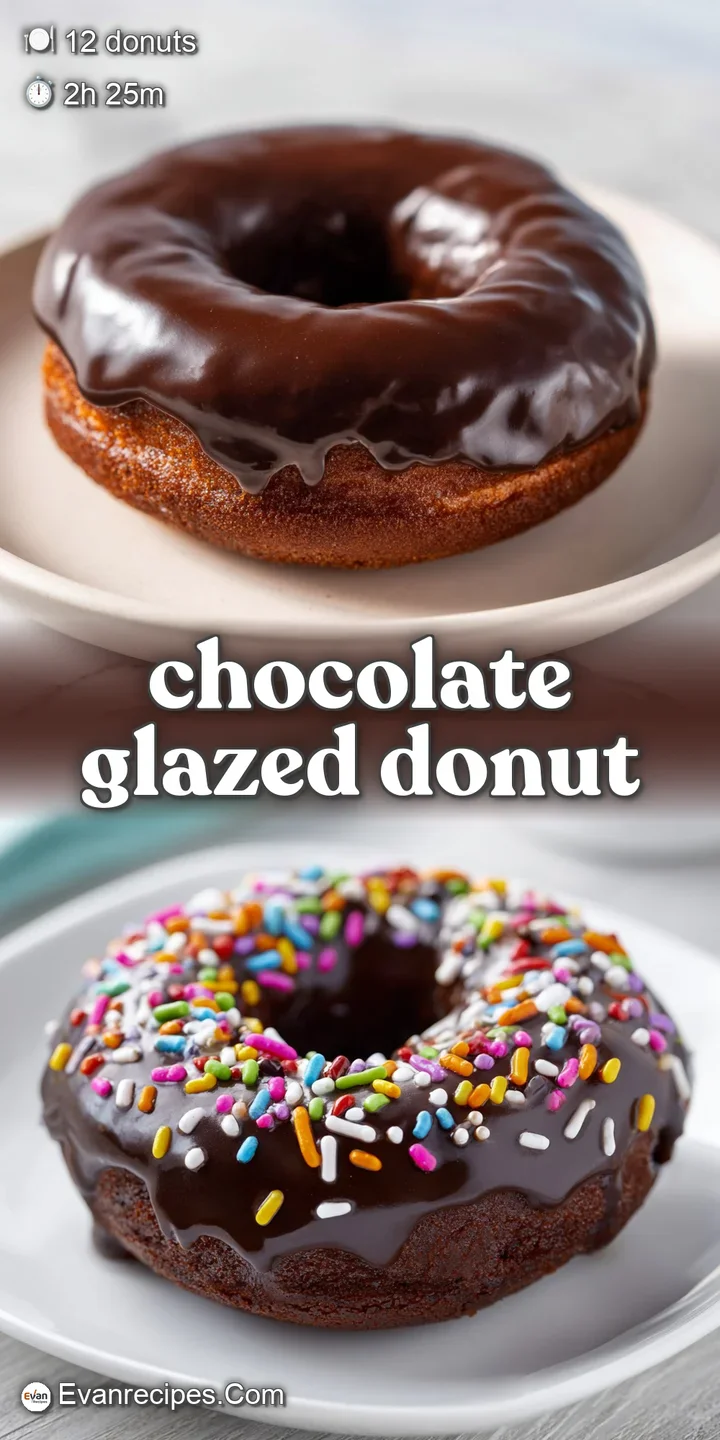
Chocolate Glazed Donut
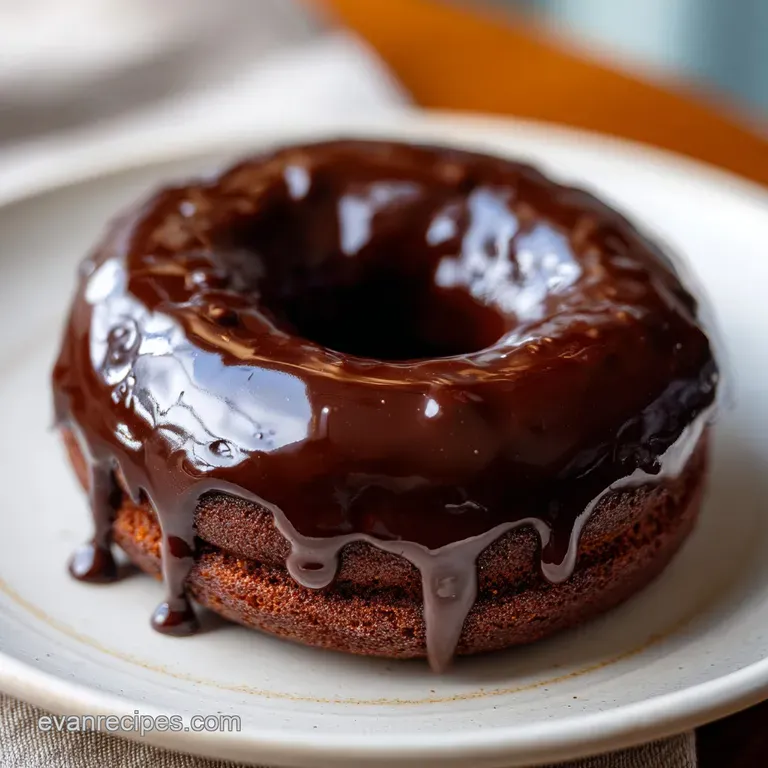
- Time: Active 15 minutes, Passive 2 hours 15 mins, Total 2 hours 30 mins
- Flavor/Texture Hook: Airy, cloud like interior with a velvety chocolate snap
- Perfect for: Slow weekend mornings or impressive dessert platters
- Creating the Perfect Chocolate Glazed Donut
- The Science of Pillowy Dough
- Essential Metrics for Donut Batches
- Analyzing Our Core Ingredient Components
- Ingredients & Substitutes
- Equipment for Professional Bakery Results
- Mastering the Perfect Fry Technique
- Troubleshooting Common Baking Textures
- Scaling the Recipe for Crowds
- Creative Variations for Flavor Explorers
- Truths Behind Donut Folklore
- Storage Secrets and Waste Reduction
- Perfect Pairings for Sweet Treats
- Recipe FAQs
- 📝 Recipe Card
Creating the Perfect Chocolate Glazed Donut
The sizzle of dough hitting hot oil is a sound that honestly makes my heart skip. There’s this specific aroma toasty, sweet, and slightly yeasty that fills the kitchen and makes you feel like you’ve opened your own boutique bakery.
I remember my first attempt at a Chocolate Glazed Donut; I was so impatient that I fried them while the dough was still cold, and they came out like dense, oily hockey pucks that nobody wanted to touch.
We've spent months testing hydration levels and proofing times to make sure you don't repeat my mistakes. This isn't just a snack; it's a masterclass in patience that yields the kind of results that make people stop talking and just start chewing.
You're going to master the balance of a light as-air interior and a glaze that shatters just slightly when you bite into it, creating that quintessential bakery experience right in your own kitchen.
I've demystified the scary parts of deep frying and yeast management so you can feel completely confident. By the time we're done, you'll have twelve stunning donuts that look like they belong in a glass display case.
We’ve focused on precision here because, in baking, a few grams or degrees really do make the difference between a "good" donut and one people will talk about for weeks. Let's get that milk warmed and start the rise.
The Science of Pillowy Dough
Gluten Elasticity: Bread flour provides high protein levels, creating the structural "balloons" needed to trap carbon dioxide during the proofing stage. The Maillard Reaction: The combination of whole milk and sugar facilitates rapid browning in the hot oil, creating a thin, flavorful crust without overcooking the center.
| Cook Method | Prep Time | Resulting Texture | Best For |
|---|---|---|---|
| Deep Fry (Classic) | 2 hours 30 mins | Crisp exterior, airy center | Authenticity and flavor |
| Oven Baked | 2 hours 15 mins | Cake like, soft, dense | Lower fat preference |
| Air Fryer | 2 hours 10 mins | Chewy, slightly drier | Speed and convenience |
Understanding the contrast between the hot oil and the cold glaze is vital. Much like the technique used for the coating on our Peanut Butter Balls Recipe, the glaze needs a specific viscosity to cling to the surface without running off entirely, creating that thick, opaque layer we all crave.
Essential Metrics for Donut Batches
To ensure your batch of twelve is consistent, we need to focus on a few key numbers that professional bakers never ignore. If you want a donut that isn't greasy, the oil temperature is your most important metric.
Dropping dough into oil that is too cool results in a sponge like absorption of fat, while too hot will burn the outside before the yeast can finish its final "oven spring" expansion.
| Component | Metric Goal | Visual Checkpoint |
|---|---|---|
| Milk Warmth | 43°C (110°F) | Warm, not hot |
| Oil Heat | 180°C (350°F) | Rapid, steady bubbling |
| Proofing Time | 60 - 90 mins | Size has doubled |
Don't guess these values. Using a digital thermometer for both your milk and your frying oil takes the anxiety out of the process. It's the difference between guessing and knowing you're about to produce something spectacular.
Analyzing Our Core Ingredient Components
Selecting the right elements is the first step toward a successful bake. We aren't just mixing things together; we are building a biological and chemical environment for the yeast to thrive.
If you use low-fat milk or all purpose flour, you'll still get a donut, but it won't have that signature "stretch" and richness that defines a bakery style Chocolate Glazed Donut.
| Ingredient | Science Role | Pro Secret |
|---|---|---|
| Bread Flour | Structural Framework | Sift twice for maximum aeration |
| Active Dry Yeast | Leavening Agent | Bloom in sugar water first |
| Dutch processed Cocoa | pH Balanced Flavor | Sift to prevent glaze lumps |
| Corn Syrup | Crystallization Inhibitor | Ensures a mirror like shine |
Each of these plays a part in the final mouthfeel. For example, Dutch processed cocoa is treated with an alkalizing agent, which makes it less acidic and darker than natural cocoa powder. This results in a mellow, deep chocolate flavor that perfectly complements the sweet dough without being harsh.
Ingredients & Substitutes
- 1 cup Whole milk (warmed to 43°C): Why this? Provides fat for a tender, enriched crumb texture.
- Substitute: 2% Milk (slightly less rich but works).
- 2.25 tsp Active dry yeast: Why this? The reliable engine that drives the rise.
- Substitute: 2 tsp Instant Yeast (skip the blooming step).
- 0.25 cup Granulated sugar: Why this? Feeds the yeast and aids in browning.
- Substitute: Caster sugar.
- 2 Large eggs (room temperature): Why this? Adds structure and a beautiful golden hue.
- Substitute: Flax egg (will be much denser).
- 6 tbsp Unsalted butter (softened): Why this? Creates a silky, melt in-the mouth texture.
- Substitute: high-quality margarine.
- 1 tsp Fine sea salt: Why this? Sharpens the sweetness and strengthens gluten.
- Substitute: Kosher salt.
- 3.5 cups Bread flour: Why this? Essential for the chewy, airy structure.
- Substitute: All purpose flour (results in a softer, bread like texture).
- 1 quart Vegetable oil: Why this? High smoke point for clean frying.
- Substitute: Canola oil.
- 4 tbsp Unsalted butter (glaze): Why this? Adds fat to keep glaze pliable.
- Substitute: Coconut oil (adds a tropical hint).
- 0.33 cup Dutch processed cocoa powder: Why this? Dark color and smooth, deep flavor profile.
- Substitute: Natural cocoa (will be lighter and more acidic).
- 2 cups Confectioners' sugar (sifted): Why this? The base for a smooth, grit free glaze.
- Substitute: Blitzed granulated sugar (not recommended).
- 5 tbsp Whole milk (glaze): Why this? Thins the glaze to dipping consistency.
- Substitute: Heavy cream for an ultra thick coating.
- 1 tbsp Light corn syrup: Why this? Gives the glaze that professional, glossy look.
- Substitute: Honey (adds flavor, less shine).
- 1 tsp Pure vanilla extract: Why this? Rounds out the chocolate notes perfectly.
- Substitute: Almond extract (use sparingly).
Equipment for Professional Bakery Results
You don't need a professional kitchen, but a few specific tools will make your life much easier. A stand mixer fitted with a dough hook is my preferred method because it handles the ten minutes of kneading without making your arms fall off.
If you're kneading by hand, just be prepared for a workout the dough is sticky and enriched, so it takes longer to become smooth.
A heavy bottomed pot, like a Dutch oven, is best for frying because it holds heat exceptionally well. When you drop room temperature dough into the oil, the temperature will naturally dip; the heavy cast iron helps minimize this fluctuation. You'll also want a wire rack set over a baking sheet.
This allows the excess glaze to drip off and the air to circulate around the donut, preventing a soggy bottom.
Mastering the Perfect Fry Technique
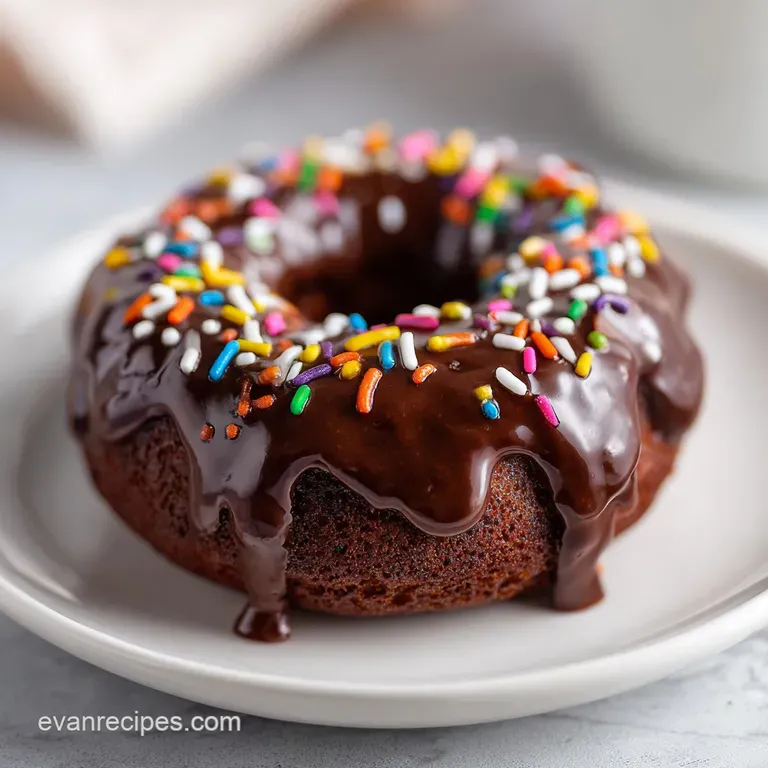
- Activate yeast. Whisk 1 cup whole milk (43°C), 2.25 tsp active dry yeast, and 0.25 cup granulated sugar in your mixer bowl. Note: Wait 5-10 minutes until a foamy head forms on top.
- Add enrichments. Mix in 2 eggs, 6 tbsp softened butter, and 1 tsp sea salt using the paddle attachment.
- Incorporate flour. Switch to the dough hook and gradually add 3.5 cups bread flour on low speed.
- Knead dough. Increase speed to medium and knead for 8-10 mins until the dough is smooth, elastic, and pulls away from the sides.
- Initial rise. Place dough in a greased bowl, cover, and let sit in a warm spot for 1 hour 30 mins until doubled in volume.
- Shape donuts. Roll dough to 1.3 cm thickness and cut using a 7.5 cm cutter. Note: Use a smaller cutter for the center holes.
- Second proof. Arrange on parchment and cover for 45 mins until they look puffy and fragile.
- Prepare fry oil. Heat 1 quart vegetable oil in a heavy pot to 180°C.
- Fry donuts. Cook 2-3 donuts at a time for 1 minute per side until golden brown and floating high.
- Glaze finish. Whisk 4 tbsp melted butter, 0.33 cup cocoa, 2 cups sugar, 5 tbsp milk, 1 tbsp corn syrup, and 1 tsp vanilla; dip warm donuts until completely coated and shimmering.
Troubleshooting Common Baking Textures
Why Your Donuts Are Greasy
If you bite into a donut and it feels heavy or oily, the culprit is almost always temperature. When the oil is too cool, the dough doesn't seal instantly. Instead, it sits and bakes slowly, allowing the oil to penetrate deep into the crumb.
This often happens if you crowd the pan too many donuts at once will drop the oil temp by 20 degrees or more.
Why the Dough Won't Rise
Yeast is a living organism, and it's picky. If your milk was hotter than 46°C (115°F), you likely killed the yeast cells before they could start working.
Conversely, if your kitchen is drafty and cold, the yeast will just "sleep." I often put my dough in the oven with only the oven light turned on to create a perfect, draft free proofing box.
| Problem | Root Cause | Solution |
|---|---|---|
| Tough/Chewy | Over kneading | Stop once dough is smooth and elastic |
| Flat Donuts | Under proofing | Let them rise until they bounce back slowly when poked |
| Grainy Glaze | Cold Milk | Ensure milk is room temp when whisking into sugar |
Common Mistakes Checklist
- ✓ Check yeast expiration dates before starting (dead yeast = no rise).
- ✓ Use a thermometer for the oil; don't rely on "eyeing it."
- ✓ Drain donuts on paper towels for 30 seconds before moving to the glaze.
- ✓ Sift your confectioners' sugar to avoid white lumps in the chocolate.
- ✓ Don't skip the second proof; it's what creates the air pockets.
Scaling the Recipe for Crowds
If you are cooking for a larger brunch, you can easily double this recipe. However, don't just double everything blindly. For the spices and salt, use about 1.5x the amount instead of 2x to avoid overpowering the dough.
When doubling the liquid, reduce the total by about 10% initially and only add it back if the dough feels too dry, as larger volumes of dough retain moisture differently.
For a half batch (6 donuts), beat one of the eggs and only use half of the liquid egg by weight. You’ll want to use smaller bowls for proofing so the dough doesn't spread out too thin and dry out. If you're looking for more chocolate inspiration while the dough rises, my Chewy Chocolate Chip recipe is a great quick bake to keep your hands busy.
Creative Variations for Flavor Explorers
While the classic Chocolate Glazed Donut is a masterpiece on its own, you can easily tweak the profile. Try adding a pinch of espresso powder to the glaze; it doesn't make it taste like coffee, but it significantly deepens the chocolate notes.
If you're feeling adventurous, a dash of smoked sea salt on top of the wet glaze adds a sophisticated edge that cuts through the sugar.
| Variation | Change | Result |
|---|---|---|
| Mexican Chocolate | Add 0.5 tsp cinnamon/pinch cayenne | Spicy, warming finish |
| Mocha Glaze | Replace milk with strong espresso | Bold, coffee forward |
| Salted Caramel | Drizzle caramel over chocolate glaze | Sweet and salty contrast |
Truths Behind Donut Folklore
There is a common myth that you should only flip a donut once. While flipping once is ideal for a clean "tide line" (that pale ring around the center), flipping a second time won't ruin the donut. If you see a bubble getting too dark, flip it!
Another myth is that you need a specialized "donut flour." high-quality bread flour from the grocery store works perfectly because the protein content is what matters, not the fancy branding.
Some people think that adding more yeast makes the donuts rise faster. In reality, too much yeast can lead to a "yeasty" or beer like aftertaste and can actually cause the dough to collapse because it rises faster than the gluten structure can support. Patience is your best ingredient here.
Storage Secrets and Waste Reduction
Fridge: These are best eaten within 6 hours. If you must store them, put them in an airtight container at room temperature for up to 2 days. Refrigeration will actually make the bread go stale faster due to starch retrogradation.
Freezer: You can freeze unglazed donuts for up to 2 months. To reheat, pop them in a 180°C oven for 5 minutes until warm, then apply fresh glaze.
Zero Waste: Never throw away the donut holes! Fry them for just 45 seconds per side and toss them in cinnamon sugar. If you have leftover donuts that have gone stale, they make the most incredible bread pudding you've ever tasted. Just cube them up, soak in a basic custard, and bake.
Perfect Pairings for Sweet Treats
A rich chocolate glaze needs something to balance the sweetness. A cold glass of whole milk is the classic choice, but a dark roast coffee provides a bitter contrast that makes the chocolate pop.
If you're serving these as a dessert, a side of fresh raspberries provides a tartness that cleanses the palate between bites.
If you’re hosting a themed dessert night, these donuts sit beautifully next to other textures. Consider serving them alongside something with a different "snap," like my Danish Carnival Buns recipe. The contrast between the fried dough and the light, creamy cheesecake filling in the buns creates a really sophisticated dessert spread that covers all the bases. Don't forget to add some colorful sprinkles if you're serving kids or just adults who are young at heart!
Recipe FAQs
What is a chocolate glazed doughnut?
A yeast raised, deep fried pastry covered in a solid chocolate coating. This classic features an airy, soft interior contrasted by a hard, crisp, sugary chocolate shell.
Does Krispy Kreme have chocolate glazed?
Yes, they typically offer a Chocolate Iced Original Glazed donut. This version uses their signature yeast dough base with a chocolate fondant icing, differentiating it from a classic cake donut.
How many calories are in one chocolate glazed donut?
Calorie counts vary widely, usually ranging from 230 to 300 calories. This depends heavily on the size and whether it is yeast raised or cake style, which affects fat absorption.
Does Tim Hortons have chocolate glazed donuts?
Yes, Tim Hortons regularly features chocolate glazed options. They usually carry a Chocolate Glazed Donut alongside their core ring donuts in most markets.
What is the secret to getting a glossy chocolate glaze that sets hard?
The secret is incorporating a small amount of light corn syrup into the glaze mixture. Corn syrup inhibits sugar crystallization, which results in a smooth, mirror like finish rather than a dull or grainy surface. If you enjoyed mastering the stability of that glossy texture here, see how we adapt similar principles for binding in our Chewy Coconut Cookies Recipe.
How do I prevent my yeast donuts from tasting overly yeasty?
Ensure your final proofing time is sufficient and your oil temperature is hot enough. Underproofed donuts will rise excessively in the hot oil, leading to a harsh, raw yeast flavor.
Can I substitute all purpose flour for bread flour in this recipe?
You can, but the texture will be significantly softer and less chewy. Bread flour provides the higher protein structure necessary to trap the air and create that signature puffy, light interior. If you enjoyed working with high hydration dough here, see how we adapt it for lighter textures in the Moist Banana Bread recipe.
Chocolate Glazed Donut
Ingredients:
Instructions:
Nutrition Facts:
| Calories | 438 kcal |
|---|---|
| Protein | 6.8 g |
| Fat | 22.3 g |
| Carbs | 55.2 g |
| Fiber | 1.9 g |
| Sugar | 26.5 g |
| Sodium | 214 mg |
