Chewy Chocolate Chip Cookies Homemade
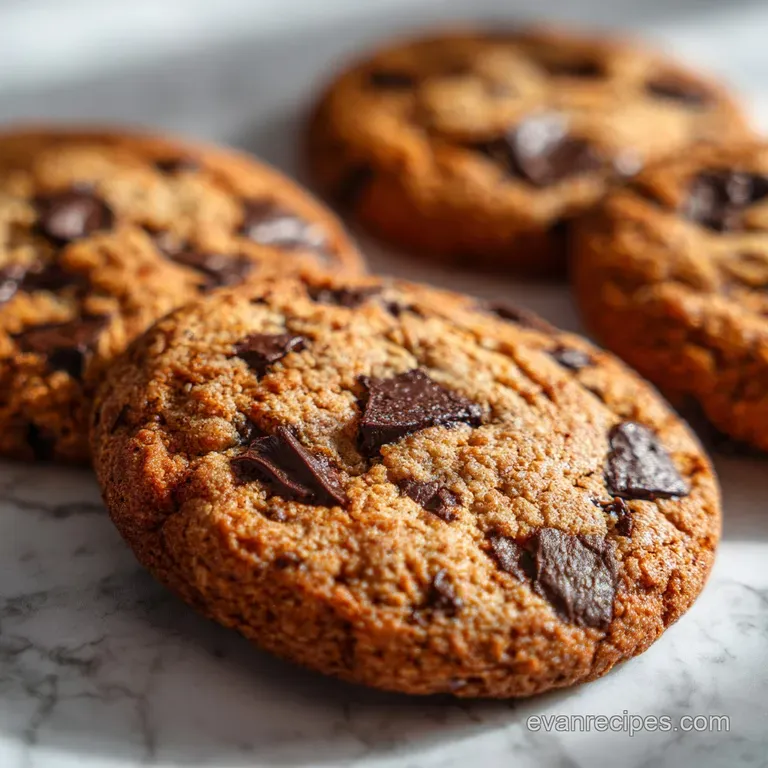
- Time: Active 10 minutes, Passive 10 minutes, Total 20 minutes
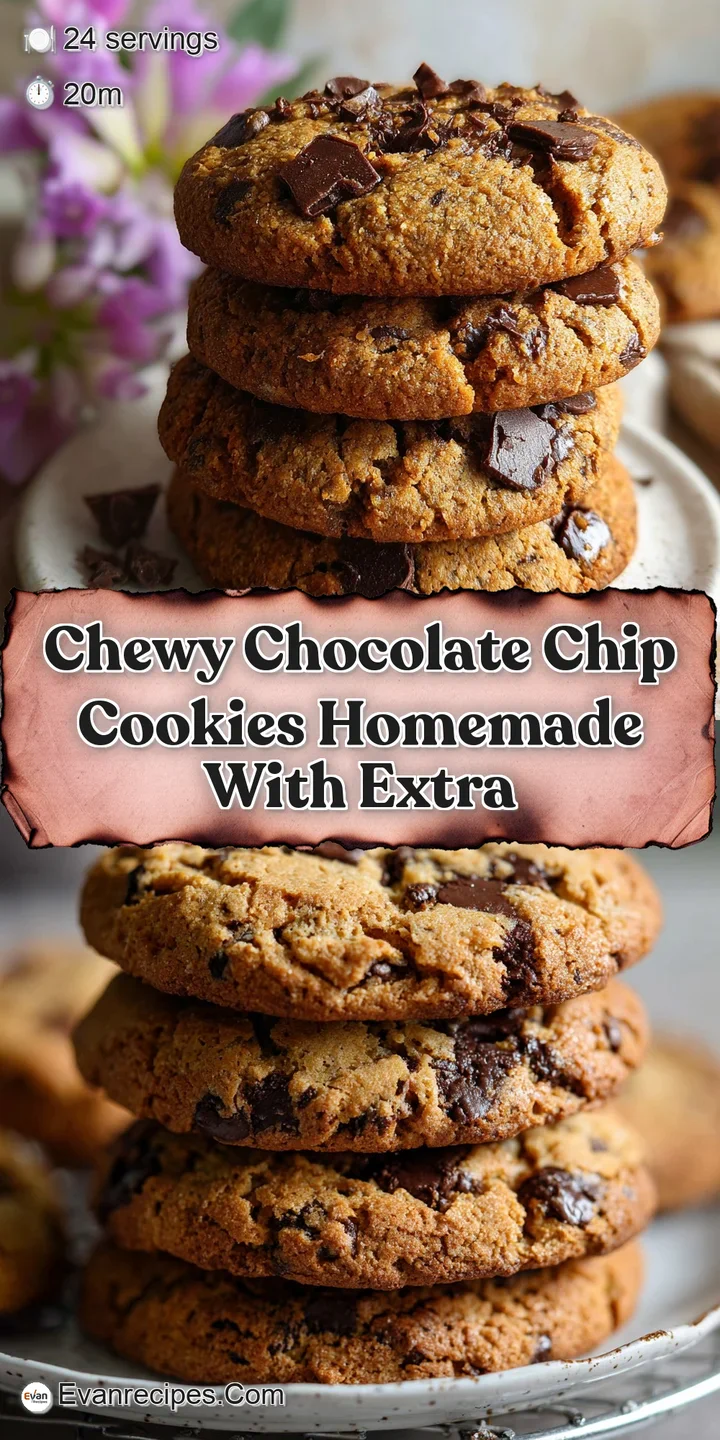
- Flavor/Texture Hook: Toffee like sweetness with a velvety, pull apart center
- Perfect for: Mastering the art of the bakery style treat at home
- The Secret To Chewy Chocolate Chip Cookies Homemade
- The Physics Of The Perfect Pull
- Essential Specs For Consistent Cookie Results
- Curating Elements For Deep Flavor Layers
- Precision Tools For Masterful Baking Outcomes
- Executing The Technique Step By Step
- Troubleshooting Common Cookie Texture Problems
- Creative Variations For Your Batch
- Maintaining Freshness and Preventing Stale Edges
- Masterful Pairings For Warm Cookies
- Recipe FAQs
- 📝 Recipe Card
The Secret To Chewy Chocolate Chip Cookies Homemade
Imagine the scent of toasted sugar and molten chocolate wafting through your kitchen, a warm, heavy aroma that practically begs you to hover by the oven door. I remember the exact moment I finally cracked the code on this recipe.
I had spent years pulling tray after tray of puffy, cake like mounds out of the oven, wondering why they lacked that soul satisfying "bend" I found at high end bakeries. It wasn't until I started treating the kitchen like a laboratory - weighing my flour to the gram and playing with the chemistry of egg yolks - that the magic finally happened.
The first time I bit into one of these, I heard that distinct, tiny "shatter" of the outer rim followed by the most luxurious, buttery give of the center. It's the kind of cookie that doesn't just crumble; it yields. We've all been disappointed by a cookie that looks great but tastes like dry flour.
This version is different because we are intentionally building layers of flavor and texture, starting with the fat and ending with a strategic sprinkle of salt. Trust me on this, once you see the way the dough glosses over after the sugars dissolve into the melted butter, you'll never go back to the old "cream the butter and sugar" method again.
Right then, let's get into the technicalities of why this works. We aren't just tossing things into a bowl; we're orchestrating a specific chemical reaction. The goal here is a heavy, dense crumb that feels substantial.
We achieve this by keeping the air out - no vigorous beating of cold butter - and keeping the moisture in. It’s a reliable, tested approach that I’ve honed over dozens of batches, ensuring you get the same result whether it’s your first time or your fiftieth.
The Physics Of The Perfect Pull
Hygroscopic Retention: Brown sugar is packed with molasses, which naturally draws in moisture from the atmosphere to keep the dough bendable long after baking.
Protein Denaturation: Using a high ratio of fat from the extra egg yolk interferes with gluten development, ensuring the texture remains tender rather than tough.
Starch Gelatinization: The melted butter allows the flour particles to be coated instantly, slowing down the absorption of liquid and preventing a puffy, bready rise.
| Servings | Ingredient Adjustments | Pan Size | Bake Time |
|---|---|---|---|
| 12 Cookies | 145g Flour, 85g Butter, 0.5 Egg | Standard Sheet | 9 minutes |
| 24 Cookies | 290g Flour, 170g Butter, 1 Egg + 1 Yolk | Two Sheets | 10 minutes |
| 48 Cookies | 580g Flour, 340g Butter, 3 Eggs | Four Sheets | 12 minutes |
When adjusting for a crowd, keep in mind that oven hot spots become more of a factor. Rotating your pans halfway through the bake is non negotiable when you’ve got the rack fully loaded.
For the half batch, beating the whole egg and then weighing out 25g is the most precise way to maintain that delicate fat balance.
Essential Specs For Consistent Cookie Results
To master these cookies, we have to look at the individual roles each component plays. It’s not just about what is in the bowl, but how those items interact under the heat of the oven.
We use 170g of butter specifically because it provides the exact amount of fat needed to saturate the 290g of flour without resulting in an oily puddle.
Component Analysis
| Ingredient | Science Role | Pro Secret |
|---|---|---|
| 200g Brown Sugar | Moisture & Chew | Pack it firmly to ensure the correct volume of molasses is present. |
| 1 Egg Yolk | Emulsification | The lecithin in the yolk binds the fats and liquids for a velvety finish. |
| 1 tsp Baking Soda | Maillard Reaction | This leavener works with the acidic molasses to create deep browning. |
Chef's Tip: Freeze your chocolate chips for 15 minutes before folding them in. This prevents the friction of the dough from melting the chocolate prematurely, keeping those distinct "pockets" of cocoa intact.
Curating Elements For Deep Flavor Layers
Selecting your ingredients with a focus on quality will drastically change the final profile of your cookies homemade. Since this recipe relies on a high sugar content, using a vanilla extract that is pure and not imitation is vital for a complex, floral undertone.
- 290g All purpose flour: Provides the structural framework. Why this? The mid range protein content offers enough strength to hold chips without being tough.
- 170g Unsalted butter: The primary fat source. Why this? Melted butter creates a denser, chewier crumb compared to creamed, softened butter.
- 200g Packed light brown sugar: Adds moisture and a hint of caramel flavor. Why this? Higher molasses content is the primary driver of that signature "chew."
- 100g Granulated white sugar: Encourages crisp edges. Why this? White sugar aerates less than brown, helping the edges to "shatter."
- 1 Large egg + 1 yolk: The binding force. Why this? The extra yolk adds richness and prevents the cookie from becoming cakey.
- 300g Semi sweet chocolate chips: The flavor hero. Why this? high-quality chips with at least 60% cocoa balance the sweetness of the dough.
- 1 tsp Flaky sea salt: The finishing touch. Why this? It cuts through the sugar and makes the chocolate flavors pop.
| Original Ingredient | Substitute | Why It Works |
|---|---|---|
| 200g Light Brown Sugar | 200g Dark Brown Sugar | Adds deeper molasses notes. Note: Will result in a darker, slightly softer cookie. |
| 2 tsp Vanilla Extract | 1 tsp Almond Extract | Provides a nutty, cherry like aroma. Note: Very strong; use sparingly. |
| 300g Chocolate Chips | 300g Chopped Chocolate | Creates irregular "pools" of chocolate. Note: Higher fat content may cause more spread. |
If you decide to swap for dark brown sugar, be prepared for a cookie that feels almost fudge like in the center. The extra moisture in dark brown sugar is fantastic, but it can make the dough a bit more temperamental if your kitchen is humid.
Precision Tools For Masterful Baking Outcomes
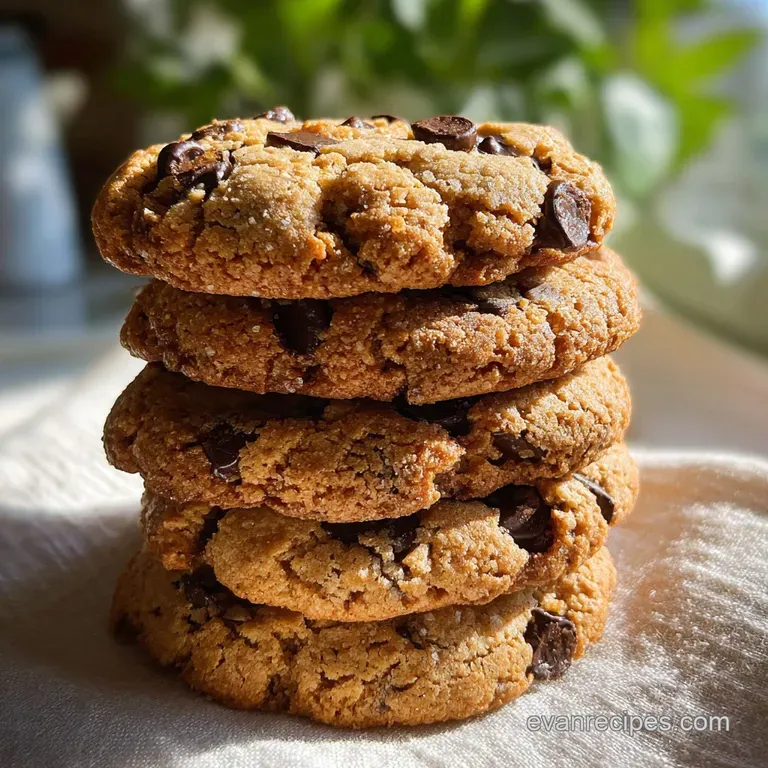
You don't need a professional bakery to get these results, but a few specific tools will ensure your 290g of flour doesn't turn into a guessing game. A digital scale is your best friend here. Volume measurements for flour are notoriously inaccurate, and even a 20g difference can turn a chewy cookie into a dry biscuit.
A heavy duty baking sheet is also essential. Thin, flimsy pans warp in the heat and conduct energy unevenly, which leads to scorched bottoms and raw tops. I prefer a light colored aluminum sheet; it reflects heat more evenly than dark pans, giving you that golden brown finish without the risk of burning.
Finally, a wire cooling rack is necessary to stop the cooking process. If the cookies sit on the hot pan for too long, the residual heat will continue to dry out the centers, ruining that bendable texture we worked so hard to achieve.
Executing The Technique step-by-step
- Melt the 170g butter. Allow it to cool until it is no longer hot to the touch but still liquid. Note: Hot butter will cook the eggs and melt the sugar too quickly.
- Whisk the dry base. Combine 290g flour, 1 tsp baking soda, and 0.5 tsp fine sea salt in a medium bowl until the mixture is uniform and aerated.
- Emulsify sugars and fat. Stir 200g light brown sugar and 100g white sugar into the cooled butter until the grit disappears and it looks like wet sand.
- Incorporate binding agents. Add the large egg, the extra yolk, and 2 tsp vanilla extract, whisking vigorously until the batter lightens in color and becomes glossy.
- Fold in dry ingredients. Use a spatula to gently mix the flour mixture into the wet ingredients until no white streaks remain.
- Add the mix ins. Fold in the 300g chocolate chips until they are evenly distributed through the thick dough.
- Chill the dough. Cover and refrigerate for at least 30 minutes. Note: This prevents excessive spreading and deepens the toffee flavor.
- Portion and prepare. Scoop 2 tablespoon sized balls onto your prepared baking sheet, leaving 2 inches of space until the tray is comfortably filled.
- Achieve the perfect bake. Bake at 325°F for 10 minutes until the edges are set and very lightly browned but the centers look soft.
- Finalize and set. Sprinkle with 1 tsp flaky sea salt immediately and let them rest on the pan for 5 minutes until they are firm enough to move to a rack.
| Fresh Homemade | Shortcut (store-bought) | Flavor Impact |
|---|---|---|
| Pure Vanilla & Butter | Vanillin & Palm Oil | Homemade has a buttery, floral depth that shortcuts lack. |
| Hand folded Chips | Machine Mixed | Homemade allows for larger, un melted chocolate pockets. |
| 1 Egg + 1 Yolk | 1 Whole Egg | The extra yolk creates a rich, fudgy bite compared to the dry shortcut. |
Freshly made dough allows you to control the "cure" time. If you can wait 24 hours while the dough rests in the fridge, the enzymes will break down the starches, resulting in a cookie that tastes like rich butterscotch.
Troubleshooting Common Cookie Texture Problems
Baking is a game of variables, and even with a master recipe, things can go sideways if the environment isn't right. The most common heartbreak is the "pancake" cookie - where the dough spreads so much it becomes one giant sheet.
Fixing Excessively Flat Cookies
If your cookies are spreading too much, it’s usually a temperature issue. If the butter was too warm when you mixed it, or if you skipped the chilling step, the fat will melt before the flour has a chance to set its structure.
Another culprit could be over greasing your baking sheet; use parchment paper or a silicone mat instead to give the dough a little "grip."
Managing a Dry Crumb
When a cookie comes out crumbly or hard, it’s almost always due to over measuring the flour or over baking. Remember, these should look slightly underdone when you pull them out. They will continue to set as they cool.
If you used a cup to scoop your flour rather than a scale, you likely packed in too much, which sucks up all the moisture from the butter and eggs.
| Problem | Root Cause | Solution |
|---|---|---|
| Cookies are puffy/cakey | Too much air or too much egg white | Stop whisking once incorporated; use only one egg white as directed. |
| Bottoms are burnt | Pan is too dark or rack is too low | Move the rack to the center and use a light colored aluminum baking sheet. |
| Chocolate is streaky | Dough was too warm | Chill the dough thoroughly before folding in the chips. |
Common Mistakes Checklist
- ✓ Always use a digital scale for the 290g of flour to ensure precision.
- ✓ Ensure your egg and yolk are at room temperature to prevent the melted butter from seizing.
- ✓ Don't skip the 30 minute chill; it is the difference between a puddle and a perfect disc.
- ✓ Take the cookies out when they look "not quite done" in the middle.
- ✓ Use parchment paper instead of cooking spray to avoid greasy, thin edges.
Creative Variations For Your Batch
Once you've mastered the base of these cookies homemade, you can start layering in different flavor profiles. The beauty of this high fat dough is its ability to carry other ingredients without losing its structural integrity.
Adding a Nutty Depth
For a sophisticated twist, try browning the 170g of butter before letting it cool. This adds a toasted, nutty aroma that pairs beautifully with the semi sweet chocolate. You can also swap 50g of the chocolate chips for toasted, chopped pecans or walnuts to add a crunch that contrasts the velvety center.
Swapping for Darker Decadence
If you prefer a less sweet treat, use bittersweet chocolate chunks (70% cacao) and increase the flaky sea salt topping. The bitterness of the dark chocolate cuts through the 200g of brown sugar, creating a more adult friendly dessert.
You can even add a teaspoon of espresso powder to the dry ingredients to intensify the cocoa notes without the cookie tasting like coffee.
Maintaining Freshness and Preventing Stale Edges
Storing your cookies homemade properly is the only way to protect that hard earned texture. If left out on a plate, the moisture will evaporate within hours, leaving you with a dry, crunchy disc.
Storage: Keep these in an airtight container at room temperature for up to 5 days. To keep them extra soft, toss a slice of plain white bread into the container; the cookies will absorb the moisture from the bread.
Freezing: You can freeze the baked cookies for up to 3 months. However, the real pro move is freezing the raw dough balls. Flash freeze them on a tray for an hour, then toss them into a freezer bag. You can bake them straight from frozen - just add 2 minutes to the bake time.
Zero Waste: If you do happen to have cookies that have gone stale, don't throw them away. Crush them up to use as a base for a cheesecake crust, or fold the crumbs into homemade vanilla bean ice cream. The high butter content makes them an excellent mix in even when they're no longer "fresh."
Masterful Pairings For Warm Cookies
To truly finish the experience, consider what you're serving alongside these treats. While a glass of cold milk is the classic choice, a master baker knows that contrast is key to highlighting the flavor layers we've built.
A sharp, slightly acidic pour over coffee works wonders to balance the richness of the 170g of butter. If you're serving these as a plated dessert, a dollop of unsweetened whipped cream or a scoop of tart raspberry sorbet provides a refreshing counterpoint to the heavy, fudgy center of the cookie.
For those who enjoy a savory sweet combo, a small wedge of aged white cheddar is a surprisingly exquisite pairing that highlights the caramel notes in the brown sugar. Whatever you choose, make sure it’s something that allows the complexity of the cookie to shine through.
Trust me, after one bite of this master tested recipe, you'll see why the details matter.
Recipe FAQs
What's the secret to chewy chocolate chip cookies?
Melted butter and a high ratio of brown sugar. Melting the butter prevents air from incorporating, resulting in a dense crumb, while the molasses in brown sugar retains moisture.
What is the secret to making cookies soft and chewy?
Use one extra egg yolk. The added lecithin from the yolk acts as an emulsifier, binding the fats and liquids for a rich, velvety texture that resists drying out.
What are three factors that contribute to a chewy cookie?
High moisture, low gluten development, and proper cooling time. Brown sugar provides moisture, an extra yolk limits gluten formation, and resting on the hot pan prevents immediate drying.
How to make chewy cookies at home?
Melt the butter instead of creaming it, use more brown sugar than white sugar, and chill the dough for at least 30 minutes. These steps control spread and maximize moisture retention during baking.
Is it true you must use room temperature eggs for this recipe?
No, this is a common misconception when using melted butter. Room temperature eggs can cause the slightly cooled, melted butter to seize or separate when mixed.
How do I stop my cookies from spreading into flat discs?
Ensure your dough is thoroughly chilled before baking. Chilling solidifies the fat content, allowing the structure to set before the sugars fully liquefy in the oven.
What temperature should I bake chewy cookies at?
Bake at 325°F for 9 to 11 minutes. You are looking for set edges and centers that still look slightly soft or underdone when you pull them out of the oven.
Chewy Homemade Cookies
Ingredients:
Instructions:
Nutrition Facts:
| Calories | 209 kcal |
|---|---|
| Protein | 1.6 g |
| Fat | 9.6 g |
| Carbs | 29.2 g |
| Fiber | 1.1 g |
| Sugar | 18.7 g |
| Sodium | 104 mg |
