Chewy Coconut Cookies: Toasted and Velvety
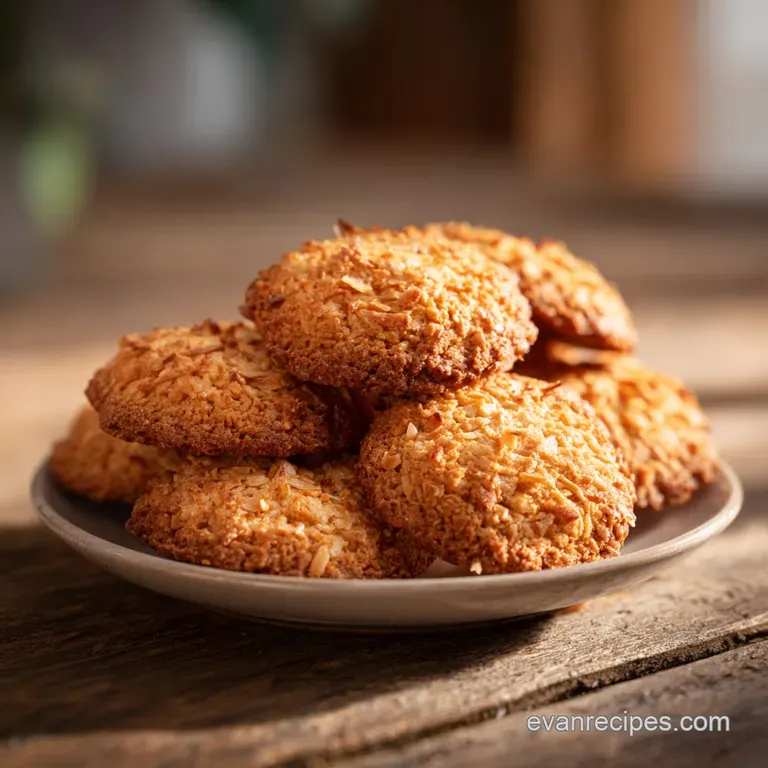
- Time: Active 45 minutes, Passive 10 mins, Total 55 mins
- Flavor/Texture Hook: Velvety, toasted, and intensely tropical
- Perfect for: Mastering the bake sale classic
- Essential Secrets for Chewy Coconut Cookies
- Mastering Vital Baking Techniques
- Accurate Recipe Dimensions and Timing
- Selecting the Right Building Blocks
- Essential Gear for Baking Success
- Detailed Execution of the Recipe
- Troubleshooting and Quick Fixes
- Simple Ingredient Adjustments and Swaps
- Storing and Repurposing Your Batch
- Ideal Pairings for Your Cookies
- Debunking Cookie Myths
- Recipe FAQs
- 📝 Recipe Card
Essential Secrets for Chewy Coconut Cookies
Imagine the scent of sweet, toasted coconut wafting from your oven, filling every corner of your kitchen with a tropical warmth that feels like a quiet hug. I remember the first time I pulled a tray of these from the oven; the edges were just beginning to turn golden, and the center had that unmistakable, bendy give.
It was a revelation in texture that I had been chasing for years through dozens of dry, crumbly batches that never quite hit the mark.
We are not just making a snack here; we are layering flavors to build a cookie that shatters slightly at the edge before giving way to a soft, coconut rich core. Through my testing, I found that the secret is not just the coconut itself, but how we manage the moisture within the dough.
If the dough is too dry, you get a cracker; too wet, and it turns into a puddle.
In this guide, we will walk through the precision needed to master this bake. You will learn why the temperature of your butter matters and how the choice of sugars creates that specific mouthfeel we all crave.
By the end, you will have a reliable method that delivers a consistent, bakery quality result every single time you preheat your oven.
Mastering Vital Baking Techniques
The texture of a cookie is a direct result of how we handle the fats and sugars before they ever hit the heat. When we cream butter and sugar, we are not just mixing them; we are mechanicaly creating tiny air pockets. These pockets are what the leavening agents expand into.
For this specific recipe, we want a tighter, denser crumb than a sponge cake, which means we cream for a shorter duration to keep the chewiness high.
Another vital layer of flavor comes from the hydration of the dry ingredients. By allowing the dough to sit for a few minutes before portioning, the flour and coconut have time to fully absorb the moisture from the egg and extracts.
This prevents the cookies from spreading too thinly and ensures every bite has a concentrated coconut presence.
The Science of the Chew
Hygroscopic Balance: The high ratio of light brown sugar attracts and holds moisture from the air, preventing the cookie from drying out after it cools. This creates the signature "bendy" center that lasts for days.
Precision Checkpoints
- Butter Temperature: Aim for 16°C to 18°C; it should be cool to the touch and hold an indent without being greasy.
- Dough Weight: Portions should be exactly 35g to ensure the entire tray finishes at the same moment.
- Internal Set: Pull the cookies when the edges are golden and firm, even if the centers look slightly underbaked.
Chef's Tip: Freeze your portioned dough balls for 15 minutes before baking to sharpen the contrast between the crispy base and the soft top.
| Method | Time | Texture | Best For |
|---|---|---|---|
| Stovetop Toasting | 5 minutes | Sharp, crisp edges | Intense aroma |
| Oven Toasting | 8 minutes | Even caramelization | Large batches |
| Raw Incorporation | 0 minutes | Soft and velvety | Maximum chewiness |
The choice between toasting your coconut or leaving it raw changes the entire profile. I prefer using raw coconut in the dough for its moisture, then perhaps a light toast on a few pieces for the garnish. If you are looking for another classic texture to compare, my Chewy Chocolate Chip recipe uses a similar sugar ratio to achieve that soft set middle.
Accurate Recipe Dimensions and Timing
Baking is a game of ratios, and even a slight deviation in weight can lead to a cookie that is either too greasy or too cakey. We use a combination of light brown sugar for moisture and granulated sugar for those crisp, lattice like edges.
The addition of coconut extract is my secret weapon; it amplifies the natural oils in the shredded coconut without adding extra fat.
To get the most out of this recipe, ensure your egg is at room temperature. A cold egg will seize the cool butter, creating small lumps of fat rather than a smooth, aerated emulsion. This leads to uneven melting in the oven and "pockmarks" on your finished cookies.
| Component | Science Role | Pro Secret |
|---|---|---|
| Brown Sugar | Moisture retention | Pack it firmly for accurate volume. |
| Shredded Coconut | Structural integrity | Use sweetened for better browning. |
| Baking Soda | Maillard reaction | Freshness is key for the right spread. |
| Coconut Extract | Flavor depth | A little goes a long way to boost aroma. |
A common mistake I once made was skipping the salt. Fine sea salt is essential here because it cuts through the heavy sweetness of the sweetened coconut, making the tropical notes sing rather than cloy. It is about balance, much like the technique used in my Fudgy Brownie Recipe.
Selecting the Right Building Blocks
Each ingredient in this list has been tested for its specific contribution to the final structure of the cookie. We are using all purpose flour for a moderate gluten level that provides enough strength to hold the heavy coconut shreds without becoming tough.
- 1.75 cups all purpose flour (210g): Why this? Provides the structural backbone without being too dense.
- 0.5 tsp baking soda: Why this? Encourages browning and a slight spread.
- 0.25 tsp baking powder: Why this? Gives a tiny lift for a softer bite.
- 0.5 tsp fine sea salt: Why this? Essential for balancing the high sugar content.
- 0.75 cup unsalted butter, cool and cubed (170g): Why this? Cool butter prevents premature spreading.
- 0.75 cup light brown sugar, packed (150g): Why this? The molasses content ensures a chewy texture.
- 0.5 cup granulated white sugar (100g): Why this? Creates the crispy perimeter.
- 2 cups sweetened shredded coconut (200g): Why this? Adds both flavor and moisture rich fiber.
- 1 large egg, room temperature (50g): Why this? Binds the dough into a stable emulsion.
- 1.5 tsp pure vanilla extract: Why this? Rounds out the sweetness with floral notes.
- 0.25 tsp coconut extract: Why this? Deepens the tropical profile significantly.
| Original Ingredient | Substitute | Why It Works |
|---|---|---|
| Light Brown Sugar | Dark Brown Sugar | Adds more moisture and a deeper molasses flavor. |
| Unsalted Butter | Salted Butter | Works well, but reduce the added sea salt by half. |
| Sweetened Coconut | Unsweetened Coconut | Use 1:1, but the cookie will be less soft. |
When swapping for unsweetened coconut, keep in mind that you might need to add an extra tablespoon of granulated sugar to compensate for the loss of sweetness and moisture. The shredded texture is non negotiable; large flakes will cause the cookie to crumble and fall apart.
Essential Gear for Baking Success
You do not need a professional kitchen, but a few specific tools will make the process much smoother. A heavy duty stand mixer, like a KitchenAid, is perfect for creaming the butter and sugar without overworking the dough. If you are mixing by hand, ensure your butter is soft enough to be pliable but not melting.
A digital scale is my most recommended tool for any baker. Measuring flour by the cup is notoriously inaccurate, often leading to dry, heavy cookies. By weighing your 210g of flour, you guarantee the same result every time.
I also suggest a parchment lined heavy baking sheet to prevent the bottoms from burning before the centers are set.
Chef's Tip: Use a spring loaded cookie scoop (size 40) to ensure every portion is identical, which leads to perfectly even baking across the tray.
Detailed Execution of the Recipe
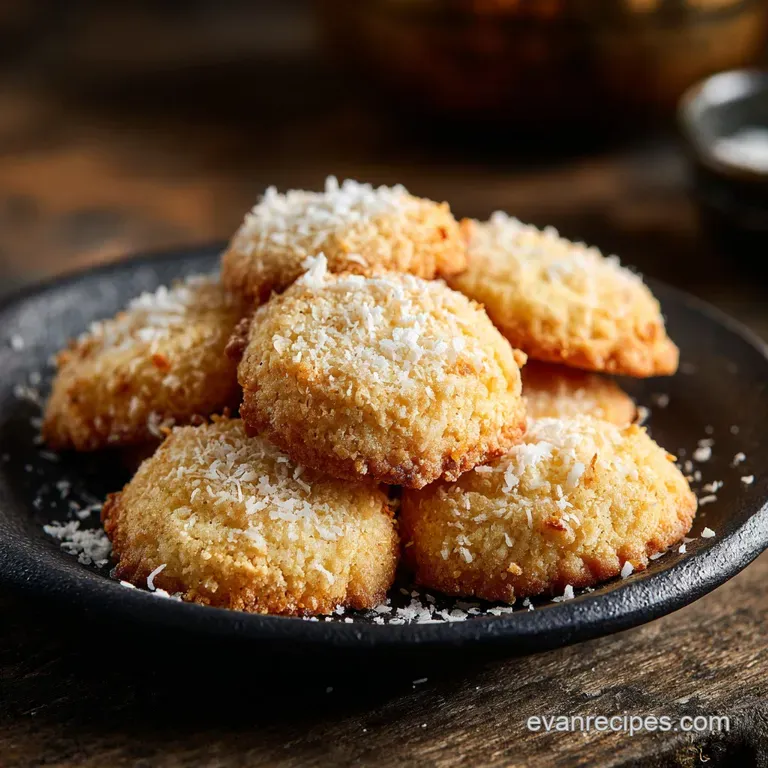
- Sift dry base. Whisk the flour, baking soda, baking powder, and salt. Note: This removes lumps and aerates the mixture.
- Cream the fats. Beat the cool butter and both sugars for 3 minutes until pale and creamy.
- Incorporate the egg. Add the room temperature egg and both extracts. Note: Scrape the bowl to ensure no butter streaks remain.
- Fold in coconut. Mix in the shredded coconut on low speed until just combined.
- Add dry mixture. Gently fold in the flour mixture. Note: Overmixing at this stage creates tough cookies.
- Chill the dough. Place the dough in the fridge for 30 minutes. until firm to the touch.
- Preheat the oven. Set your oven to 180°C and line two large baking sheets.
- Portion and space. Roll 35g balls and place 5cm apart. Note: They will spread, so don't crowd them.
- Bake the batch. Bake for 10 minutes until edges are golden brown.
- Cool on tray. Let them rest for 5 minutes before moving to a wire rack. Note: They continue to set during this time.
This resting period on the hot pan is crucial. If you move them too soon, the soft centers will collapse. As they cool, the sugars solidify, locking in that "shatter" on the outer ring while keeping the middle velvety and soft.
Troubleshooting and Quick Fixes
Even with the best intentions, things can go sideways in the kitchen. Most issues with coconut cookies stem from temperature control, either in the oven or with the ingredients themselves. If your cookies look different than expected, the cause is usually hidden in the prep stage.
Why Your Cookies Are Flat
If your cookies spread into a single giant sheet, your butter was likely too warm or you over creamed the mixture. When butter is too soft, it loses its ability to hold air, and the structural integrity collapses the moment it hits the heat.
Always ensure your butter is cool (16°C-18°C) before you start the mixing process.
The Texture Is Gritty
Grittiness often comes from undissolved sugar or old coconut. Ensure you are creaming the butter and sugar for at least 3 minutes to allow the sugar crystals to begin dissolving into the fat. If you are using older coconut that has dried out, it will feel woody in the finished bake.
| Problem | Root Cause | Solution |
|---|---|---|
| Burned Bottoms | Dark baking sheet | Use a lighter pan or double stack the sheets. |
| Cookies Didn't Spread | Too much flour | Weigh ingredients instead of using cups. |
| Tough Texture | Overmixed dough | Fold in flour by hand until just combined. |
Common Mistakes Checklist
- ✓ Never use melted butter unless the recipe specifically calls for it (it ruins the chew).
- ✓ Ensure your egg is truly room temperature to maintain the emulsion.
- ✓ Don't skip the chilling step; it hydrates the coconut and prevents spreading.
- ✓ Check your oven temperature with a separate thermometer for accuracy.
- ✓ Use a wire rack for cooling to prevent the bottoms from becoming soggy.
Simple Ingredient Adjustments and Swaps
Scaling this recipe is straightforward, but remember that the surface area of your pan stays the same. If you double the batch, bake in multiple stages rather than crowding the oven, which can drop the temperature too low and lead to steaming rather than baking.
The Tropical Vegan Twist
If you want to avoid animal products, you can swap the butter for a high-quality vegan block (ensure it is the kind meant for baking, not a soft spread). Use a flax egg (1 tbsp ground flax + 3 tbsp water) in place of the large egg. The result will be slightly denser but will still carry that wonderful coconut aroma.
Scaling Guidelines
- To Half (12 cookies): Use half of every ingredient. For the egg, whisk it in a small bowl and use exactly 25g.
- To Double (48 cookies): Double all ingredients, but keep the salt at 1.5x (0.75 tsp) to avoid over seasoning.
- Baking Multiple Trays: Rotate your pans halfway through the 10 minutes to ensure even browning.
If you enjoy these tropical notes, you might also like my Butter Pecan Cake recipe, which shares a similar focus on toasted nuttiness and rich fat content.
| Target Result | Adjustment | Effect |
|---|---|---|
| Extra Crispy | Increase white sugar | More caramelization and snap. |
| Super Soft | Increase brown sugar | Higher moisture and bendy center. |
| Nutty Depth | Toast the coconut | Intense roasted aroma and darker color. |
Storing and Repurposing Your Batch
Keeping these cookies fresh is all about managing humidity. Because of the high sugar and coconut content, they can become sticky if left in a humid environment or too hard if exposed to dry air for too long.
- Room Temperature: Store in an airtight container for up to 5 days. Add a small piece of white bread to the container to keep them soft.
- Freezing: Freeze the baked cookies for up to 3 months. To eat, let them thaw at room temperature for 20 minutes or pop them in a 150°C oven for 3 minutes for that "freshly baked" warmth.
- Zero Waste: If you have cookies that have gone stale, crumble them up to use as a topping for a Fruit Smoothie Recipe or mix them into softened vanilla ice cream. The dried out bits add a wonderful crunch to creamy desserts.
Ideal Pairings for Your Cookies
These cookies are quite sweet and rich, so they pair best with something that offers a bit of contrast. A sharp, black coffee or a cold glass of unsweetened almond milk works wonders to cleanse the palate between bites.
The Afternoon Refresher
For a lighter pairing, try serving these with a hibiscus iced tea. The tartness of the tea cuts through the coconut oil and sugar, making it a sophisticated afternoon treat. If you are feeling indulgent, a scoop of mango sorbet alongside two cookies creates a full tropical dessert experience.
The "Better Than Dining Out" Dessert
If you want to impress guests, serve these warm with a drizzle of salted caramel and a tiny pinch of flaky sea salt on top. The way the warm coconut interacts with the cold ice cream or a dollop of whipped cream is truly master level baking. For another quick treat that hits those sweet notes, my Chocolate Peanut Butter recipe is a great make-ahead option that complements these cookies perfectly.
Debunking Cookie Myths
Myth: More coconut always equals more chew. Reality: If you add too much shredded coconut, it actually absorbs the moisture meant for the flour, leading to a dry, crumbly cookie that doesn't hold its shape. The 2 cup measurement in this recipe is the tested limit for the perfect balance.
Myth: Chilling the dough is an optional step. Reality: Chilling is essential for the coconut to hydrate and for the butter to firm back up. Skipping this will result in a cookie that spreads too thin and lacks the signature bendy center we are aiming for.
Myth: Sweetened coconut is too sweet for baking. Reality: The light sugar coating on sweetened coconut helps it caramelize faster and stay moist during the high heat of baking. Unsweetened coconut can often turn brittle and straw like if not handled with extra fat or moisture.
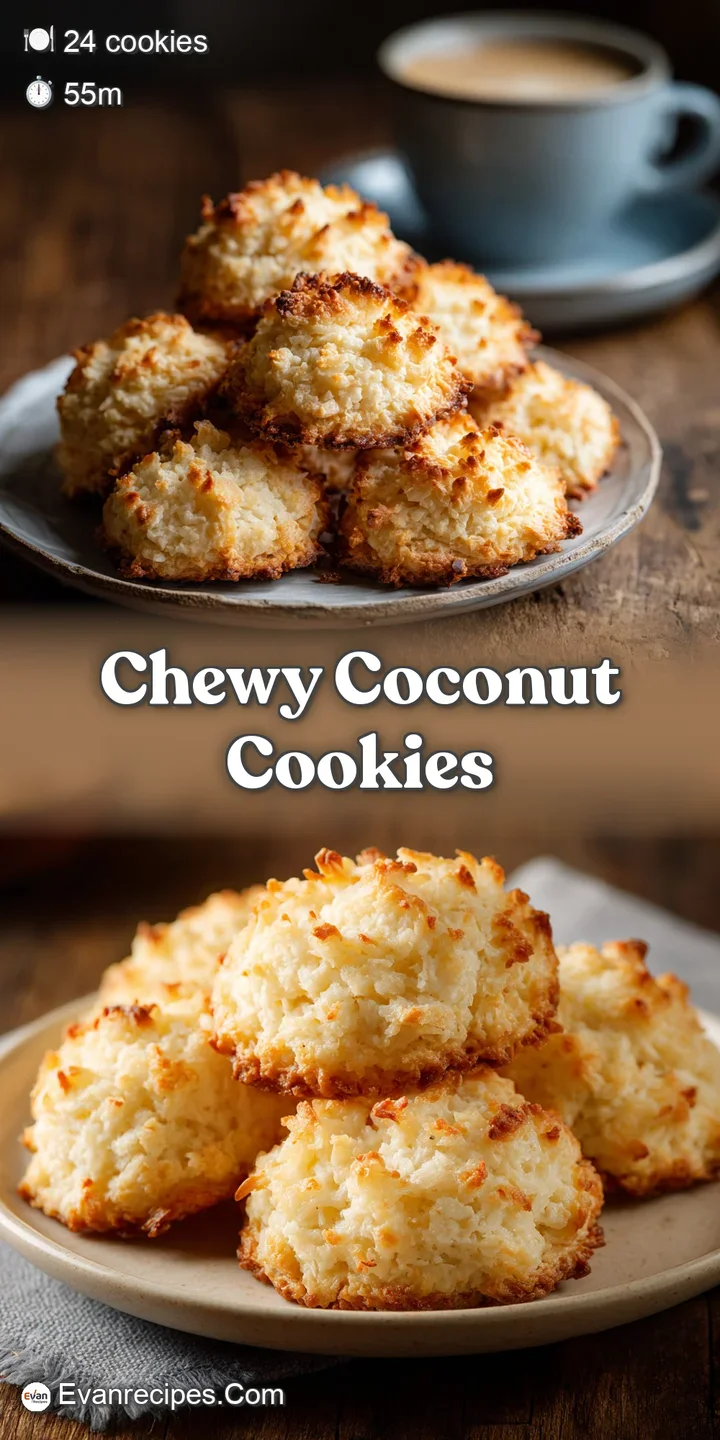
Recipe FAQs
Can I substitute the shredded coconut with desiccated (dry) coconut?
No, you should use sweetened shredded coconut. Desiccated coconut has much lower moisture content and will result in a cookie that crumbles easily instead of staying chewy.
What is the correct temperature for the butter to ensure chewiness?
Use cool butter, around 16°C to 18°C. It should be firm enough to hold a light indent but pliable; this traps air during creaming without melting prematurely during baking.
How long should I chill the dough before baking?
Chill the dough for a minimum of 30 minutes until firm to the touch. This hydration time allows the coconut to fully absorb the wet ingredients, preventing excessive spreading.
Why did my cookies spread too thin and lose their height?
Your butter was too warm, or you over creamed the sugar and fat. Over aeration in warm fat leads to a fast melt; if you enjoyed mastering the texture control here, apply the same principle of cool fat integration in our Artisan Pizza Dough recipe to control rise.
How do I substitute the eggs if I want a vegan cookie?
Use one flax egg (1 tablespoon ground flaxseed whisked with 3 tablespoons water). Let this mixture sit for 5 minutes to thicken before incorporating it into the wet ingredients.
Is it necessary to use both vanilla and coconut extract?
No, but using both creates a superior depth of flavor. Vanilla rounds out the sweetness, while coconut extract significantly amplifies the natural tropical notes present in the shreds.
What is the best way to store baked cookies to maintain softness?
Store them in an airtight container at room temperature with a slice of plain white bread. The bread releases moisture, which the cookies absorb, keeping them soft for up to 5 days.
Chewy Coconut Cookies
Ingredients:
Instructions:
Nutrition Facts:
| Calories | 166 kcal |
|---|---|
| Protein | 1.4 g |
| Fat | 8.5 g |
| Carbs | 20.8 g |
| Fiber | 0.8 g |
| Sugar | 13.4 g |
| Sodium | 78 mg |
