Oatmeal Raisin Cookies: Soft and Chewy Bakery Style
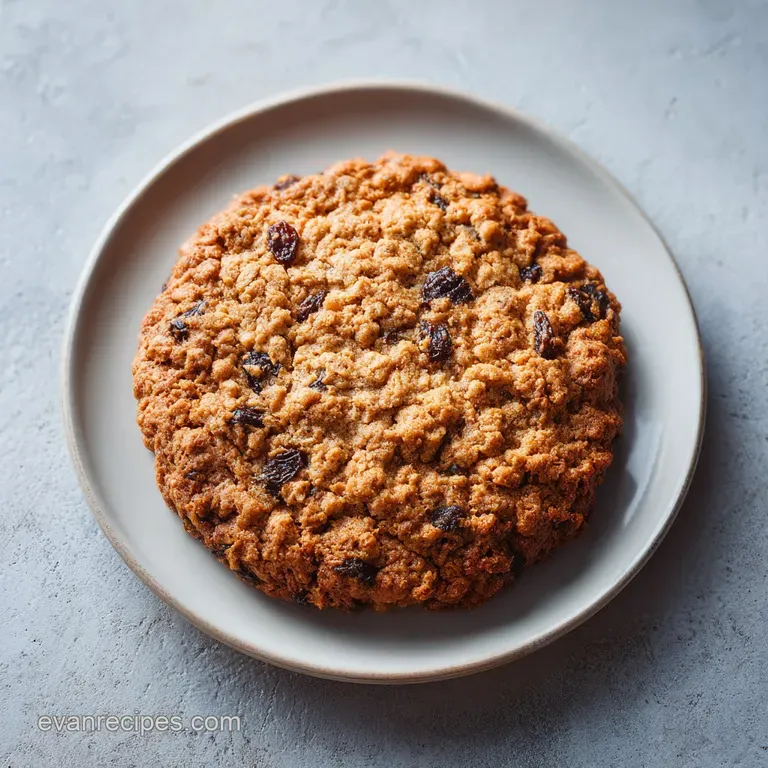
- Time: Active 15 minutes, Passive 10 minutes, Total 25 minutes
- Flavor/Texture Hook: Toasted, buttery oats meet plump, spice infused raisins with a chewy, soft baked finish.
- Perfect for: High protein snacking, afternoon tea, or a reliable holiday bake that travels well.
- Achieving Perfection with This Oatmeal Raisin Cookie Recipe
- Quick Breakdown of Essential Recipe Specs and Times
- The Science Behind Selecting Your Cookie Components
- Must Have Equipment for a Smooth Baking Session
- Bringing the Dough Together for Bakeshop Results
- Solving Common Baking Problems
- Creative Variations and Easy Ingredient Substitutions
- Maximizing Freshness With These Smart Storage Tips
- Dismantling Typical Baking Misconceptions
- Pairing Your Cookies for the Ultimate Experience
- Recipe FAQs
- 📝 Recipe Card
Achieving Perfection with This Oatmeal Raisin Cookie Recipe
The moment you pull these out of the oven, the air in your kitchen transforms. There is a specific, warm scent that hits you first it is the smell of toasted cinnamon and caramelized brown sugar mingling with the earthy aroma of oats. It is a scent that feels like a hug, familiar and deeply comforting.
I remember the first time I realized that a cookie could be more than just a sweet treat; it could be a textural experience. When you pull a warm cookie apart, you should see those oats stretching slightly, held together by a buttery crumb that practically melts.
We are going to move fast here because the payoff is huge. You don't need a whole afternoon to make a bakery quality batch. This method focuses on efficiency without sacrificing the structural integrity that makes a cookie iconic.
We're talking about a 25 minutes total commitment for a result that honestly rivals anything you’d find behind a glass counter. The secret isn't in a long list of obscure ingredients, but in how we treat the ones we have.
We’ve all had those cookies that are either too dry and crumbly or so soft they fall apart in your hand. This recipe finds the middle ground. It is about creating a cookie that has enough structure to hold its own against a glass of milk but enough "give" to be considered truly chewy.
Let's get into how we make that happen every single time.
Quick Breakdown of Essential Recipe Specs and Times
When we talk about precision in baking, we aren't just being fussy. Small adjustments in temperature or timing can be the difference between a "shatter" and a "snap." For this oatmeal raisin cookie recipe, we are looking for a specific visual cue: the edges should be a deep golden brown, while the center still looks a bit pale and under baked.
This is the golden rule for chewiness.
The Secret to That Signature Chew:
- Oat Hydration: The rolled oats act like little sponges, soaking up moisture from the eggs and butter to prevent a dry, sandy texture.
- Hygroscopic Sugars: Using more brown sugar than white sugar pulls moisture from the air, keeping the cookies soft for days.
- Fruit Plumping: Soaking raisins in hot water prevents them from acting like "moisture thieves" that suck the life out of the surrounding dough.
- Protein Network: A moderate amount of flour provides just enough gluten to give the cookie "bend" without making it cakey.
| Thickness | Internal Temp | Rest Time | Visual Cue |
|---|---|---|---|
| 1/2 inch | 175°F | 5 minutes | Golden edges, soft centers |
| 3/4 inch | 180°F | 8 minutes | Toasted brown, firm middle |
| 1 inch | 185°F | 10 minutes | Deep bronze, fully set |
Before we move into the specifics of the ingredients, it is vital to understand that the temperature of your kitchen can actually affect how these cookies spread. If your house is very warm, your butter might be too soft, leading to a flatter cookie.
If you find your dough feels a bit greasy or loose, a quick 10 minute chill in the fridge before scooping can work wonders for the final shape.
The Science Behind Selecting Your Cookie Components
The ingredients we use are the building blocks of the final flavor profile. For instance, the choice of oats is not just about preference; it's about the surface area and how the grain interacts with the fat.
We use Old-Fashioned rolled oats because they provide a hearty, substantial bite that quick oats simply cannot replicate. Quick oats often disappear into the dough, leaving you with a texture that feels more like a standard sugar cookie than a true oatmeal classic.
| Ingredient | Component Role | Pro Secret |
|---|---|---|
| Light Brown Sugar | Moisture & Flavor | Pack it tight to ensure the correct volume and acidity for the baking soda. |
| Old-Fashioned Oats | Structural Texture | Toast them in a dry pan for 3 minutes for a nuttier, more intense aroma. |
| Large Eggs | Emulsifier | Use room temperature eggs so they incorporate into the fat without curdling. |
| Pure Vanilla | Aromatic Depth | Add it after the eggs to protect the delicate flavor compounds from being "lost" in the sugar. |
The butter is perhaps the most critical player in this lineup. We want it softened, which means it should give slightly when pressed with a finger but shouldn't be shiny or melting. This allows it to hold air when beaten with the sugar. If you're interested in how different fats affect your bakes, you might find the texture of my Peanut Butter Balls recipe quite interesting as it uses a different fat to sugar ratio for a velvety finish.
Must Have Equipment for a Smooth Baking Session
You don't need a professional laboratory to make these, but a few specific tools will make the process seamless. A stand mixer is your best friend here because it allows for a consistent "cream" of the butter and sugar, which is the foundation of the cookie's lift.
If you don't have one, a sturdy hand mixer works, but be prepared to put in a little more elbow grease during the initial three minute beating phase.
- Parchment Paper: Essential for preventing the sugar in the raisins from sticking to the pan and burning.
- Medium Cookie Scoop: Using a 2 tablespoon scoop ensures every cookie is the same size, which means they all finish baking at the exact same moment.
- Wire Cooling Rack: This allows air to circulate under the cookies, preventing the bottoms from getting soggy from trapped steam.
- Large Mixing Bowls: Give yourself space. Trying to fold three cups of oats into a tiny bowl is a recipe for a messy counter.
Chef's Tip: If you want a perfectly round cookie, place a circular glass or biscuit cutter over the cookie immediately after it comes out of the oven and give it a gentle swirl. This "scoots" the edges back into a perfect circle while the dough is still pliable.
Bringing the Dough Together for Bakeshop Results
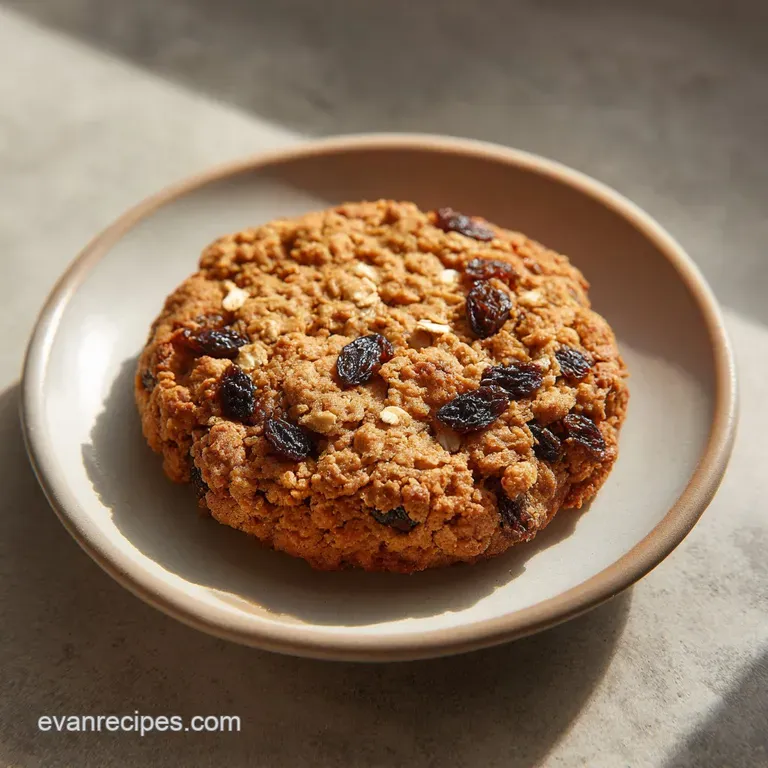
- Prep the oven and fruit. Preheat your oven to 350°F (175°C). Line two large baking sheets with parchment. Place 1 1/2 cups of raisins in a bowl and cover with hot water. Note: This hydrates the fruit so they stay juicy during the bake.
- Cream the fats. In your mixer, combine 1 cup softened butter, 1 cup light brown sugar, and 1/2 cup granulated sugar. Beat for 3 minutes until pale and fluffy.
- Incorporate the liquids. Add 2 large eggs one at a time, beating well after each. Mix in 1 tbsp pure vanilla extract.
- Dry ingredient blend. In a separate bowl, whisk 1 1/2 cups all purpose flour, 1 tsp baking soda, 1 tsp cinnamon, and 1/2 tsp sea salt. Check for a warm, spicy aroma as the cinnamon hits the flour.
- Combine the mixtures. Gradually add the flour mixture to the butter mixture on low speed. Stop as soon as the last streak of flour disappears to avoid tough cookies.
- Prep the raisins. Drain the raisins and pat them completely dry with a paper towel. Note: Excess water will ruin the dough's consistency.
- Fold in the extras. Add 3 cups Old-Fashioned rolled oats and the dried raisins. Fold by hand using a spatula until evenly distributed.
- Scoop the dough. Use a 2 tablespoon scoop to drop mounds onto the sheets, spaced 2 inches apart.
- Bake to golden. Bake for 10-12 minutes. Remove when the edges are set and golden but the centers still look slightly moist.
- Cool and set. Let the cookies sit on the hot pan for 5 minutes before transferring to a wire rack. They will firm up as they cool, locking in that "velvety" center.
Solving Common Baking Problems
Even the best of us hit a snag now and then. One of the most common issues with an oatmeal raisin cookie recipe is the "pancake effect," where the cookies spread into one giant sheet. This usually happens because the butter was too warm or the oven wasn't properly preheated.
If your oven hasn't reached 350°F, the butter melts before the structure of the flour can set, causing the dough to collapse outward.
Why Your Cookies Spread Too Much
If your cookies are coming out thin and greasy, look at your creaming time. While we want the butter and sugar "aerated," over beating can actually incorporate too much air, which then collapses in the oven.
Also, check your flour measurement; if you "scoop" the flour directly with the measuring cup, you might be packing it down. Use the "spoon and level" method for accuracy.
| Problem | Root Cause | Solution |
|---|---|---|
| Dry/Crumbly | Too many oats or over baked | Measure oats by weight and pull cookies out while centers are pale. |
| Too Sweet | Poor salt balance | Increase sea salt to 3/4 tsp to cut through the sugar. |
| Flat Cookies | Butter was too warm | Chill the dough for 30 minutes before baking to solidify the fats. |
The chemistry of baking is fascinating once you get the hang of it. If you ever find yourself struggling with dough consistency in other recipes, like a Lemon Sugar Cookies batch, remember that citrus and fats interact differently, but the temperature rules almost always stay the same.
Common Mistakes Checklist:
- ✓ Always pat the raisins dry (wet raisins create "steam pockets" in the dough).
- ✓ Never use "Quick" or "Instant" oats (they turn into mush).
- ✓ Ensure your baking soda is fresh (test a pinch in vinegar; it should fizz violently).
- ✓ Use room temperature eggs (cold eggs can "seize" the creamed butter).
- ✓ Don't skip the salt (it is the contrast that makes the sugar taste better).
Creative Variations and Easy Ingredient Substitutions
If you want to move away from the classic, there are plenty of ways to tweak this. For those who aren't fans of raisins, dried cranberries or even chopped dates make a fantastic substitute. Dates, in particular, offer a deep, almost toffee like sweetness that pairs beautifully with the cinnamon.
If you're feeling adventurous, you can even swap the vanilla for a splash of dark rum in the raisin soaking liquid.
| Original Ingredient | Substitute | Why It Works |
|---|---|---|
| Raisins (1 1/2 cups) | Dried Cranberries | Adds a tart, zesty contrast to the sweet dough. |
| All Purpose Flour | Oat Flour | Makes the cookie even more "oaty" and dense. Note: Changes texture significantly. |
| Butter (1 cup) | Coconut Oil (Solid) | Provides a similar fat structure but adds a tropical aroma. |
Scaling this recipe is straightforward. If you want to make a half batch (12 cookies), simply halve every ingredient. Since the recipe calls for two eggs, beat one egg in a small bowl and use exactly half of it by weight or volume.
For doubling the batch, the spices and salt should only be increased by 1.5x to prevent them from becoming overpowering.
| Method | Time | Texture | Best For |
|---|---|---|---|
| Oven Bake | 10-12 mins | Crispy edges, soft center | Traditional cookie lovers |
| Air Fryer | 7-8 mins | Extremely crispy exterior | Small, quick batches |
| Skillet | 15-18 mins | Fudgy and dense | Dessert to share with ice cream |
Maximizing Freshness With These Smart Storage Tips
Proper storage is the difference between a cookie that lasts a week and one that is a rock by tomorrow morning. Because of the high oat content, these cookies are naturally more moisture retentive than a standard shortbread. Keep them in an airtight container at room temperature for up to 5 days.
If they do start to feel a bit firm, tucking a single slice of white bread into the container will miraculously soften them back up as the cookies "steal" the moisture from the bread.
- Oat Dust
- Don't throw away the "dust" at the bottom of the oat bag; stir it into your morning yogurt or use it to thicken a smoothie.
- Leftover Crumbs
- If you have broken cookies, pulse them in a food blender to create a "cookie crust" for a cheesecake or pudding.
- Raisin Liquid
- The water used to soak the raisins is full of natural sugars and cinnamon use it as the liquid base for your next bowl of oatmeal.
For freezing, these cookies are champions. You can freeze the baked cookies for up to 3 months, but I actually prefer freezing the raw dough balls. Flash freeze them on a tray for an hour, then toss them into a freezer bag.
When you're ready for a treat, you can bake them directly from frozen just add 2 minutes to the total bake time.
Dismantling Typical Baking Misconceptions
One of the biggest myths in the baking world is that you should always wait for your cookies to be "done" before taking them out of the oven. If a cookie looks fully cooked while it's still in the oven, it will be overcooked by the time it cools.
Carry over cooking is a real force; the residual heat from the baking sheet continues to bake the center of the cookie for several minutes after you pull it out.
Another misconception is that the type of cinnamon doesn't matter. While "grocery store cinnamon" (Cassia) is fine, using a high-quality Saigon cinnamon will provide a much more "velvety" and intense aroma that defines the entire experience.
Finally,, people often think that "Old-Fashioned" and "Quick" oats are interchangeable. They aren't. Quick oats have been steamed and rolled thinner, meaning they lose their structural integrity and turn your cookie into something resembling a muffin top.
Pairing Your Cookies for the Ultimate Experience
These cookies are substantial enough to stand alone, but they really shine when paired with something that cuts through the buttery richness. A cold glass of whole milk is the classic choice, but a dark roast coffee or a spicy chai latte complements the cinnamon and raisins beautifully.
If you want to turn these into a full blown dessert, try making an ice cream sandwich using a scoop of salted caramel gelato in the middle.
If you enjoy the textural complexity of this oatmeal raisin cookie recipe, you might also love the contrast found in Chewy Coconut Cookies, which offer a different kind of toasted sweetness. No matter how you serve them, the key is the temperature. A slightly warm cookie, perhaps 10 minutes after it leaves the oven, is the peak of the experience. The raisins are still plump, the butter is soft, and the aroma is at its most potent. Enjoy the process, and don't forget to save a few for yourself before the tray disappears!
Recipe FAQs
What are the most common mistakes making oatmeal cookies?
Overbaking is the primary culprit behind dry, crumbly cookies. Remove the trays from the oven when centers still appear slightly underdone; the residual heat will finish the process perfectly as they sit on the pan.
Should you soak raisins before putting them in cookies?
Yes, soaking them is essential for the best texture. Placing raisins in hot water for 5 minutes plumps the fruit, preventing them from wicking moisture away from the dough and keeping your cookies soft.
What kind of oatmeal is best for oatmeal raisin cookies?
Old-fashioned rolled oats are the gold standard. Their larger surface area provides the ideal chew and structure that quick cooking or steel cut varieties simply cannot replicate.
How do you make 3 ingredient oatmeal cookies?
Avoid this approach if you prioritize flavor and texture. A high-quality cookie relies on the chemistry of the creaming method whipping butter and sugar for 2-3 minutes to create the structure found in professional chocolate chip cookies.
Is it true I must use melted butter to make these cookies chewy?
No, this is a common misconception. Creaming softened butter with your sugars is the superior way to aerate the dough, creating a stable, buttery base that ensures a soft baked finish without the greasiness of melted butter.
How to ensure cookies have perfectly golden edges?
Preheat your oven fully to 350°F (175°C) before sliding the sheets in. Proper heat distribution is vital for caramelizing the sugars on the perimeter while keeping the interior dense and moist.
How to stop cookies from spreading too much on the pan?
Chill your dough for at least 30 minutes before scooping. Cooling the butter helps it hold its shape during the first few minutes of baking, which results in a thicker, more substantial cookie.
Bakery Style Oatmeal Raisin Cookies
Ingredients:
Instructions:
Nutrition Facts:
| Calories | 216 kcal |
|---|---|
| Protein | 3.0 g |
| Fat | 8.8 g |
| Carbs | 32.4 g |
| Fiber | 1.3 g |
| Sugar | 21.2 g |
| Sodium | 98 mg |
