Kung Pao Chicken: Tender and Smoky
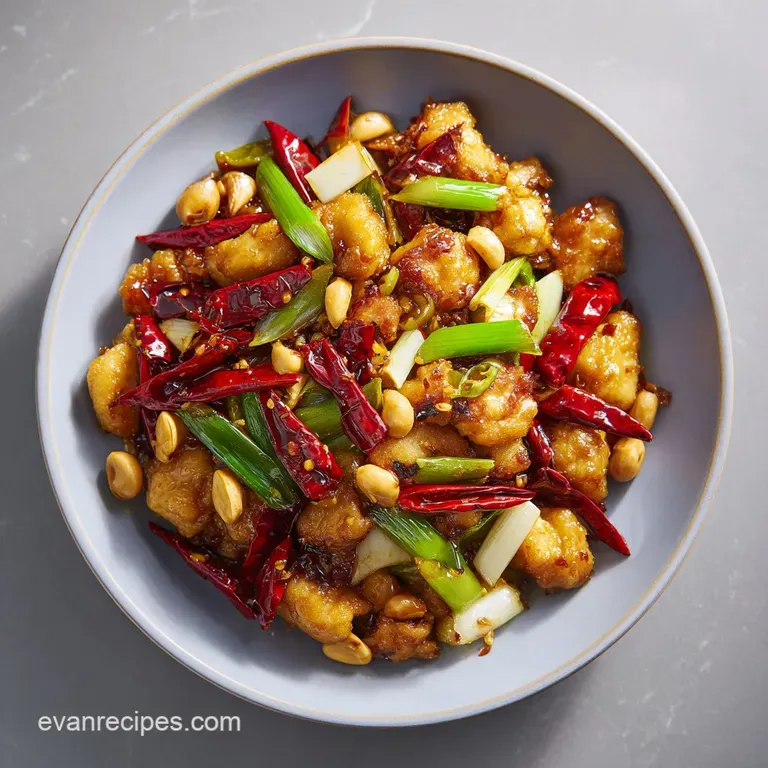
- Time: Active 15 minutes, Passive 10 minutes, Total 25 minutes
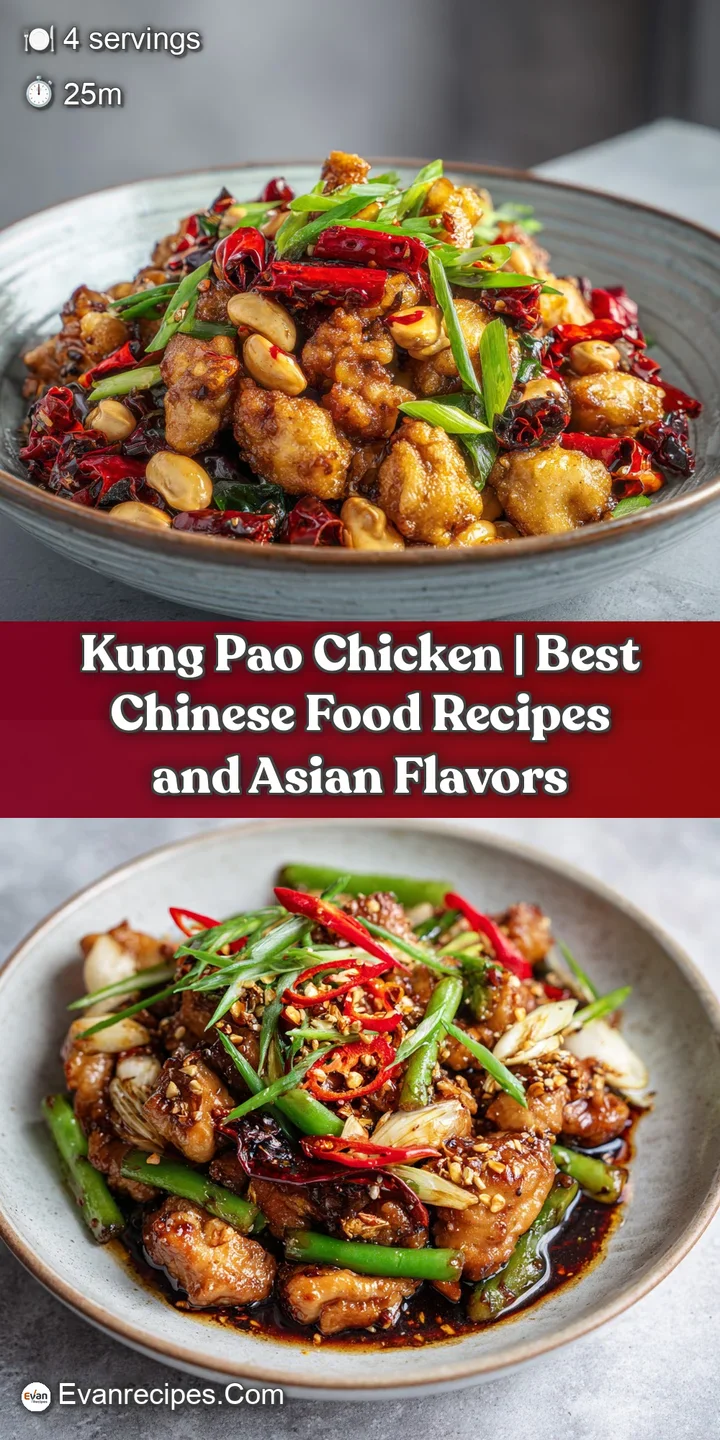
- Flavor/Texture Hook: Shatter crisp peanuts against velvety, tender chicken in a glossy mahogany glaze.
- Perfect for: Busy weeknight dinners when you need something hearty but faster than a delivery driver.
- Why You'll Love Kung Pao Chicken
- Essential Recipe Specifications
- Ingredients and Smart Substitutes
- Why This Recipe Works
- Basic Tools for Success
- Master the Cooking Steps
- Solving Common Stir Fry Problems
- Flavor Variations and Swaps
- Storage and Reheating Tips
- Perfect Side Dish Pairings
- Recipe FAQs
- 📝 Recipe Card
Why You'll Love Kung Pao Chicken
Forget everything you think you know about needing a roaring jet engine wok burner to make authentic tasting Chinese food at home. I used to think my electric stovetop was the reason my stir fries always ended up soggy and sad, but it turns out the secret isn't the heat source it's how you prep the meat.
You don't need a thousand dollar setup; you just need to understand how to keep the moisture inside the chicken where it belongs instead of letting it leak out into the pan.
This version of Kung Pao Chicken is designed for real families who want that signature zing without spending a fortune on specialty oils or fancy gadgets. We're talking about a dish that hits every single taste bud: the tingle of the peppers, the crunch of the peanuts, and that deep, dark sauce that ties it all together.
It's become a Tuesday night staple in my house because it’s faster than ordering takeout and significantly cheaper, especially when you realize you can swap some of the pricier ingredients for pantry basics you already have.
The smell of those dried chilies hitting the hot oil is something you'll start craving once you've tried this. It fills the kitchen with this toasted, nutty aroma that lets everyone know dinner is going to be something special.
We aren't just tossing things in a pan here; we're building layers of flavor that actually make sense for a busy cook who still cares about great food. Let's get into how we make this happen without the stress.
Essential Recipe Specifications
Getting the timing right is the difference between a silky stir fry and a pan full of rubbery chicken. Since everything happens so fast once the pan is hot, I always tell my friends to have their bowls ready before the chicken even touches the oil.
This recipe is built for speed, but it relies on a few specific checkpoints to make sure the textures stay exactly where they should be.
The Golden Rule of Sizing: Cut your chicken into consistent 1/2 inch cubes. If some are huge and some are tiny, the small ones will turn into leather before the big ones are even safe to eat. Aim for bite sized pieces that can cook through in about 3 to 4 minutes total.
Also, don't skimp on the 15 minute resting time for the marinade; that's when the magic happens for the texture.
| Item | Specification | Why It Matters |
|---|---|---|
| Chicken Size | 1/2 inch cubes | Ensures even cooking and maximum surface area for the sauce to cling to. |
| Pan Heat | Medium High | Needs to be hot enough to sear but not so hot it burns the sugar in the sauce. |
| Marinating | 15 minutes | Allows the cornstarch to bond with the protein fibers for a "velvet" finish. |
Whether you're cooking for kids who hate spice or spice heads who want their foreheads to sweat, this recipe is remarkably flexible. You can adjust the heat level just by how you handle the chilies, which we'll talk about in the troubleshooting section.
For now, just know that this is a hearty, filling meal that scales beautifully if you've got extra mouths to feed.
Ingredients and Smart Substitutes
The beauty of this dish lies in the pantry friendly nature of the base. While the traditional version uses specific vinegars and wines, I’ve found that you can get 95% of the way there with smart swaps that save you a trip to a specialty grocery store.
The goal here is a balance of "salty, sour, sweet, and spicy," and there are many paths to get there.
For the chicken, I prefer breast for this specific dish because it picks up the mahogany glaze so well, though thighs are more forgiving if you're worried about overcooking. If you can't find Chinkiang black vinegar, a mix of balsamic and red wine vinegar gets you that deep, complex acidity we're looking for.
The peanuts are non negotiable for me they provide that essential fatty crunch that offsets the heat of the chilies.
- 1.5 lbs chicken breast: Cut into 1/2 inch cubes. Why this? It stays lean and absorbs the sauce better than fattier cuts.
- Chinkiang black vinegar: 2 tbsp. Why this? Provides a malty, woody acidity that defines the dish's character.
- Shaoxing wine: 1 tbsp. Why this? Adds a savory depth that water or broth just can't match.
- Sichuan peppercorns: 1 tsp, crushed. Why this? Responsible for the unique "numbing" sensation on the tongue.
- Neutral oil: 3 tbsp (like vegetable or canola). Why this? High smoke point allows for a proper sear without burning.
| Original Ingredient | Substitute | Why It Works |
|---|---|---|
| Chinkiang Vinegar | Balsamic + Rice Vinegar | Balsamic provides the dark color and depth, rice vinegar adds the sharp tang. |
| Shaoxing Wine | Dry Sherry | Similar alcohol content and savory profile; avoids the sweetness of Mirin. |
| Sichuan Peppercorns | Black Pepper + Lemon Zest | Mimics the heat and citrus notes, though you lose the unique numbing feel. |
The key is not to stress if your pantry isn't stocked like a professional kitchen. Most of these ingredients are about providing a specific function acidity, salt, or texture. If you have those covered, you're going to end up with a fantastic meal. If you find yourself with extra chicken and no more peppers, you might consider shifting gears and trying a Cheesy Chicken Casserole later in the week to use up the meat in a totally different, kid friendly way.
Why This Recipe Works
Most people skip the most important part of Chinese home cooking: the "velveting" process. It sounds fancy, but it’s really just a quick soak in a cornstarch slurry. This creates a microscopic barrier around the meat that protects it from the harsh, direct heat of the pan, keeping the juices locked inside while the outside gets that silky, slippery texture we love in takeout.
- Moisture Barrier
- The cornstarch and soy sauce mixture creates a physical shield, preventing the protein fibers from tightening and squeezing out water.
- Oil Infusion
- By heating the chilies and peppercorns in the oil first, we create a flavored base that coats every single ingredient, rather than just having spice in "spots."
- Starch Suspension
- The sauce includes a tiny bit of cornstarch which activates the moment it hits the hot pan, turning the liquid into a thick, glossy glaze that sticks to the chicken.
| Component | Science Role | Pro Secret |
|---|---|---|
| Cornstarch | Texture Modifier | Use just enough to coat; too much creates a gummy, thick paste. |
| Sugar | Caramelization | It balances the vinegar's sharp bite and helps the sauce darken quickly. |
| Peanuts | Texture Contrast | Add them at the very end to keep them from absorbing moisture and going soft. |
Wait for the oil to actually shimmer before adding your aromatics. If the oil is cold, the spices will just soak up the fat and turn soggy instead of releasing their volatile oils into the air. You want to hear that immediate sizzle the second the chilies hit the metal.
It's about a 30 second window where the kitchen will smell incredible that's when you know you're doing it right.
Basic Tools for Success
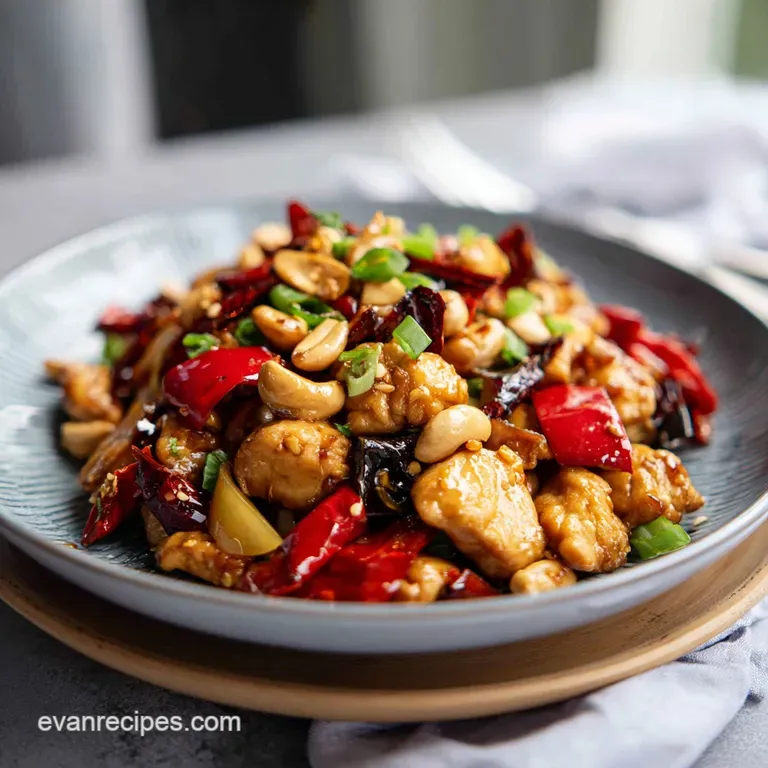
You don't need a wok. I'll say it again: a large, heavy bottomed stainless steel or cast iron skillet works perfectly. The main thing you need is surface area. If you try to cook 1.5 lbs of chicken in a tiny 8 inch pan, the meat will be crowded, the temperature will drop, and the chicken will steam in its own juices instead of searing.
A good sharp knife is your best friend here. Since the chicken and vegetables need to be roughly the same size, precision matters. A dull knife will struggle with the chicken skin (if using thighs) or crush the delicate scallions.
I also recommend having a set of small bowls even just cereal bowls to hold your measured ingredients. In a 10 minute cook, you don't have time to be measuring sugar while the garlic is burning.
Chef's Note: If you're using a non stick pan, be careful not to crank the heat to the absolute max. Non stick coatings can degrade at very high temps. Instead, let the pan preheat for a full 2 minutes on medium high to get a stable, even heat.
Master the Cooking Steps
Before you even turn on the stove, make sure your "mise en place" is ready. This is just a fancy way of saying "get your stuff together." Once that pan is hot, things move faster than a toddler with a permanent marker.
You want your sauce whisked, your chicken marinating, and your veggies chopped and sitting in a little pile.
- Velveting the Protein. In a medium bowl, whisk together 1 tbsp soy sauce, 1 tbsp Shaoxing wine, and 2 tsp cornstarch. Toss your 1/2 inch chicken cubes into this mixture, ensuring every piece is coated. Let this sit for 15 minutes at room temperature. Note: This resting period is when the cornstarch bonds to the chicken fibers.
- Whisking the Mahogany Glaze. In a separate small bowl, combine 2 tbsp Chinkiang vinegar, 1 tbsp light soy sauce, 1 tsp dark soy sauce, 1 tbsp granulated sugar, and 1 tsp cornstarch. Stir until the sugar is completely dissolved.
- Toasting the Peppercorns. If you haven't already, toast your Sichuan peppercorns in a dry pan for 1 minute until fragrant, then crush them with a mortar and pestle or the bottom of a heavy jar.
- Infusing the Aromatics. Heat 3 tbsp of neutral oil in your skillet over medium high heat until it shimmers. Add the 10-15 dried chilies and crushed peppercorns. Stir fry for 30 seconds until the chilies darken slightly and the air smells spicy.
- Searing the Chicken. Add the velveted chicken to the pan in a single layer if possible. Let it sit undisturbed for 1 minute to get a nice brown crust, then toss and stir fry for another 2 to 3 minutes until the pink edges disappear.
- Adding the Aromatics. Toss in the sliced garlic, minced ginger, scallion whites, and diced red bell pepper. Stir fry for 1 minute until the garlic is golden but not burnt.
- Glazing the Dish. Give your sauce mixture a quick re stir (the starch settles!) and pour it into the pan. Toss everything constantly for about 1 minute until the sauce bubbles and turns into a thick, glossy glaze.
- The Finishing Touch. Stir in the 1/2 cup of roasted peanuts and the reserved scallion greens. Remove from heat immediately to keep the peanuts crunchy and the greens vibrant.
The sauce should be silky and cling to the meat without being gloopy. If you find the texture is a bit too thick, you can add a tablespoon of water to loosen it up. The consistency should be reminiscent of a Creamy Cajun Chicken Pasta sauce not in flavor, obviously, but in how it coats every nook and cranny of the protein.
Solving Common Stir Fry Problems
The most common issue I hear from friends is that their chicken ends up "rubbery." This usually happens because they're so afraid of undercooking it that they leave it in the pan for 10 minutes.
Remember, the chicken continues to cook for a minute or two after you pull it off the heat due to "carryover cooking." If it looks done in the pan, it’s probably overdone. Aim for just opaque and juicy.
Another big one is the sauce not thickening. If you didn't whisk the cornstarch right before pouring it in, it probably stayed at the bottom of your bowl. Cornstarch is heavy and sinks fast. Always give it one last stir before it hits the heat.
If the sauce is too thin, let it bubble for another 30 seconds; the heat is what activates the thickening power.
Why Your Sauce is Watery
If your sauce looks like soup instead of a glaze, it’s usually because the pan wasn't hot enough or you added too many watery vegetables. The red bell peppers should be crisp tender, not mushy. If they release too much water, it dilutes the starch.
| Problem | Root Cause | Solution |
|---|---|---|
| Rubbery Chicken | Overcooking or skipping the velvet step | Pull chicken earlier; always use cornstarch in the marinade. |
| Bitter Aftertaste | Burnt garlic or chilies | Add aromatics only when oil is hot, and stir constantly. |
| Dull Sauce | Missing Dark Soy Sauce | Add 1/2 tsp more dark soy for color or a pinch more sugar for shine. |
Common Mistakes Checklist
- ✓ Pat the chicken dry before adding the marinade to ensure the cornstarch sticks.
- ✓ Don't overcrowd the pan; if your skillet is small, cook the chicken in two batches.
- ✓ Remove the seeds from the dried chilies if you want the flavor without the extreme heat.
- ✓ Use roasted, unsalted peanuts; salted ones will make the dish way too briny.
- ✓ Ensure the sugar is fully dissolved in the sauce before adding it to the pan.
If you ever find the heat level has gone off the rails and your mouth is on fire, don't panic. A little extra sugar or a squeeze of lime juice can help neutralize the capsaicin. It won't make the spice disappear, but it will make it much more manageable for the average palate.
Flavor Variations and Swaps
While the classic uses chicken, this sauce is a literal "liquid gold" that works on almost anything. I’ve made this with extra firm tofu for my vegetarian friends, and it’s honestly just as good because the tofu acts like a little sponge for that vinegary sauce.
The key with tofu is to press it really well first so it doesn't water down your glaze.
If you're on a budget, you can easily swap the chicken breast for thighs, which are often cheaper and much harder to overcook. You can also bulk up the dish with more vegetables like zucchini or celery to make the meat stretch further for a larger family.
It’s a great way to clear out the crisper drawer at the end of the week.
- Shrimp Version: Swap chicken for peeled, deveined shrimp. Cook them for only 2 minutes total they go from perfect to rubber in the blink of an eye.
- The Veggie Powerhouse: Use cauliflower florets instead of chicken. Roast them in the oven first for 15 minutes, then toss them into the sauce at the end.
- Cashew Swap: If you don't like peanuts, roasted cashews add a buttery richness that is absolutely divine in this sauce.
| Feature | Fresh Ingredients | Shortcut Version |
|---|---|---|
| Aromatics | Fresh ginger/garlic | Jarred paste |
| Flavor Impact | Sharp, punchy, vibrant | Milder, slightly metallic |
| Prep Time | 15 minutes | 5 minutes |
If you're trying to feed a crowd on a budget, remember that rice is your best friend. A big bowl of fluffy jasmine rice makes a little bit of this intense chicken go a very long way.
If you end up with leftover sauce but no chicken, you can even toss it with some plain noodles the next day for a quick "pantry pasta" lunch.
Storage and Reheating Tips
Stir fries are always best the moment they leave the pan, but this holds up surprisingly well in the fridge. The flavors actually deepen overnight as the garlic and ginger continue to infuse the sauce.
Just be prepared for the peanuts to lose their crunch; they'll soak up some of the sauce and go a bit soft, but they still taste great.
To store, let the chicken cool completely before putting it in an airtight container. It’ll stay fresh in the fridge for up to 3 days. When you're ready to eat, the best way to reheat is actually back in a skillet over medium heat with a tiny splash of water to loosen the sauce.
Microwaving is okay, but it tends to make the chicken a bit tougher.
Zero Waste Tip: Don't throw away the scallion roots! You can stick them in a small glass of water on your windowsill, and they’ll regrow new greens in about a week.
Also, if you have leftover dried chilies, store them in a freezer bag; they'll stay potent for months longer than they would in a warm pantry.
Perfect Side Dish Pairings
Because the flavors here are so bold and aggressive, you want sides that are relatively neutral to give your palate a place to rest. Steamed jasmine rice is the gold standard for a reason it’s the perfect vessel for soaking up that extra mahogany sauce.
If you want to keep things lighter, cauliflower rice or even a simple cucumber salad with a splash of rice vinegar works beautifully.
If you're looking for a more "complete" Chinese style spread, I love serving this alongside some simple steamed bok choy or sautéed green beans with garlic. The vibrant green of the vegetables looks stunning next to the dark, rich tones of the chicken.
For a hearty family feast, you could even pair it with a mild noodle dish, though I’d avoid anything with too much of its own sauce so the flavors don't compete.
- Smashed Cucumber Salad: The cool, refreshing crunch is the perfect antidote to the Sichuan peppercorn heat.
- Garlic Snap Peas: Quickly blanched and tossed with sesame oil to mirror the flavors in the chicken.
- Egg Drop Soup: A silky, mild starter that prepares the stomach for the spicy main event.
Whatever you choose, keep it simple. The Kung Pao Chicken is the star of the show here, and it doesn't need much help to shine. Just make sure you have plenty of whatever starch you're serving, because that sauce is way too good to leave behind on the plate!
Recipe FAQs
What is usually in kung pao chicken?
It centers on cubed chicken breast, peanuts, and dried Sichuan chilies. These are stir fried with aromatics like ginger, garlic, and scallions in a savory tangy glaze made from Chinkiang vinegar, soy sauces, and sugar.
What's the difference between General Tso's and kung pao chicken?
General Tso's uses a deep fried, battered chicken coated in a thicker, sweeter sauce. Kung Pao chicken is velveted rather than battered, prioritizing the numbing heat of Sichuan peppercorns over a heavy, syrupy glaze.
Is kung pao chicken good for diabetics?
Consult your medical professional regarding the sugar content. While this recipe includes granulated sugar to balance the acidity of the black vinegar, you can manage portion sizes to fit your specific dietary needs.
What is the most popular Chinese chicken dish?
Kung Pao chicken remains a top favorite due to its iconic balance of flavors. If you enjoyed the technique of thickening a sauce to perfectly coat your protein, try applying the same velveting method to other stir fry dishes to improve your texture control.
How to keep the peanuts crunchy?
Stir the roasted peanuts in during the very last seconds of cooking. Adding them too early will cause them to absorb the sauce and lose their signature snap.
How to avoid extreme heat?
Snip the dried chilies open and remove all the seeds before frying. The seeds contain the majority of the capsaicin, so removing them keeps the aromatic flavor without the intense spice.
How to ensure the chicken is tender?
Velvet the chicken by tossing it in cornstarch, soy sauce, and Shaoxing wine. Letting this mixture rest for 15 minutes creates a protective barrier that seals in moisture during the high heat sear.
Authentic Kung Pao Chicken
Ingredients:
Instructions:
Nutrition Facts:
| Calories | 528 calories |
|---|---|
| Protein | 56.5g |
| Fat | 26.4g |
| Carbs | 14.8g |
| Fiber | 2.1g |
| Sugar | 5.2g |
| Sodium | 785mg |
