Artisan Pizza Dough with Garlic for Quiet Nights
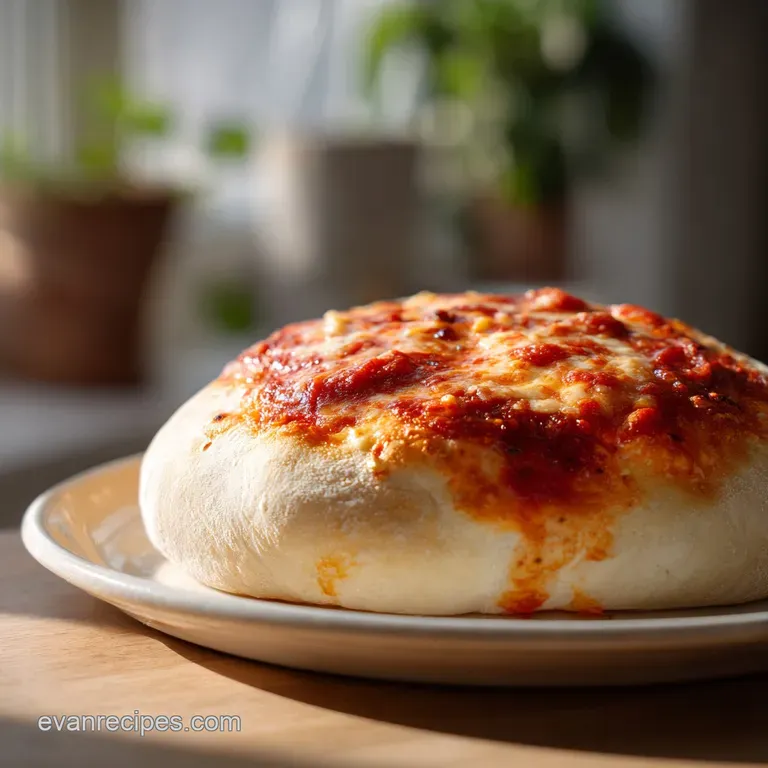
- Time: Active 20 mins, Passive 2 hours 10 mins, Total 2 hours 30 mins
- Flavor/Texture Hook: Aromatic garlic herb infusion with a bubbly, light as-air crumb
- Perfect for: Low stress weekend baking or a cozy date night at home
- My Favorite Artisan Pizza Dough with Garlic for Quiet Friday Nights
- The Molecular Magic of Garlic Oil and Gluten
- The Essential Component Analysis for Artisan Crusts
- The Elements of a Perfect Garlic Crust
- The Tools Needed for a Professional Result
- The Step-by-Step Path to Pizza Mastery
- Solutions for Dough that Doesn't Cooperate
- Scaling Guidelines for Larger Gatherings
- Debunking Common Dough Misconceptions
- Preserving Your Dough for Future Feasts
- Pairing Your Artisan Pizza for Maximum Comfort
- Recipe FAQs
- 📝 Recipe Card
My Favorite Artisan Pizza Dough with Garlic for Quiet Friday Nights
There is a specific sound that defines a successful bake: the hollow "thump" when you tap the bottom of a golden crust and the immediate shatter of the outer layer as the slicer hits it. I remember my first few attempts at homemade dough were, frankly, a bit of a disaster.
They were either as tough as a rubber band or so dense they felt like a workout for my jaw. But then I started playing with the chemistry of the ingredients rather than just following a random packet instruction.
Unwind on Friday with my go to recipe: My Favorite Artisan Pizza Dough with Garlic for Quiet Friday Nights. This isn't just a basic bread base; it's a carefully tested process designed to give you that velvety interior and crispy exterior that usually requires a 900°F wood fired oven.
The secret lies in how we treat the garlic and how we manage the hydration of the flour.
We've all been there Friday night rolls around, you're exhausted, and the thought of a greasy delivery pizza feels like a defeat. This recipe is my ritual for reclaiming the week. It’s a slow, rhythmic process that fills the house with the scent of toasted oregano and warm yeast.
By the time the dough has finished its second rise, your kitchen smells like a high end Italian bistro, and all the stress of the workday has basically evaporated.
The Molecular Magic of Garlic Oil and Gluten
- Aromatic Encapsulation: Infusing the 30g extra virgin olive oil with minced garlic before mixing ensures the fat carries flavor into every single flour molecule rather than just sitting on top.
- Enzymatic Activation: Using 5g of honey doesn't just add sweetness; it provides a quick access fuel source for the 7g of active dry yeast, ensuring a vigorous initial rise even in shorter proofing windows.
- Protein Alignment: High protein bread flour contains more glutenin and gliadin, which, when hydrated at 105°F, forms a strong elastic network capable of trapping large CO2 bubbles.
- Maillard Enhancement: The combination of honey and the natural sugars in the 500g high protein bread flour promotes a deep mahogany crust color at standard oven temperatures.
| Cook Method | Time | Texture Result | Best For |
|---|---|---|---|
| Standard Oven (500°F) | 10-12 mins | Even browning, soft edges | Classic family style pizza |
| Pre heated Pizza Stone | 8-10 mins | Very crispy bottom, artisan "char" | Professional bakery results |
| Cast Iron Skillet | 12-15 mins | Fried crust bottom, thick and chewy | Deep dish or focaccia style |
Choosing the right method depends entirely on your mood. If I'm feeling lazy, the standard baking sheet works fine, but if I want that true restaurant quality, I always reach for the pizza stone. It mimics the intense floor heat of a brick oven, forcing the dough to spring upward instantly.
The Essential Component Analysis for Artisan Crusts
| Ingredient | Science Role | Pro Secret |
|---|---|---|
| Bread Flour (500g) | Structural foundation | Use a brand with at least 12.7% protein for maximum "chew." |
| Filtered Water (350ml) | Hydration and solvent | Temperature is king; 105°F is the "sweet spot" for yeast health. |
| Active Dry Yeast (7g) | Leavening agent | Always bloom it in the water first to verify it's still alive. |
| Fine Sea Salt (10g) | Gluten regulator | Salt controls yeast growth; never let it touch the yeast directly. |
The Elements of a Perfect Garlic Crust
To get this right, you need to be precise with your measurements. I highly recommend using a digital scale for the 500g high protein bread flour, as measuring by volume is the easiest way to end up with a dry, tough dough. If you find yourself missing an ingredient, don't panic.
You can swap the honey for an equal amount of granulated sugar, though the honey provides a more complex floral note.
- 30g extra virgin olive oil Why this? Provides fat for a supple crumb and carries garlic flavor.
- 4 cloves fresh garlic, finely minced Why this? Fresh garlic has sulfur compounds that dried powder lacks.
- 5g dried oregano Why this? Adds a classic earthy aroma that balances the sharp garlic.
- 500g high protein bread flour Why this? Necessary for the structural integrity of large bubbles.
- 350ml filtered water, warmed to 105°F Why this? Pure water prevents chlorine from slowing down yeast fermentation.
- 7g active dry yeast Why this? The reliable engine that drives the rise of the dough.
- 10g fine sea salt Why this? Tightens the gluten structure and enhances all other flavors.
- 5g honey Why this? Acts as a humectant and feeds the yeast for a better rise.
Substitution Table
| Original Ingredient | Substitute | Why It Works |
|---|---|---|
| Extra Virgin Olive Oil | Avocado Oil | High smoke point and neutral flavor. Note: Lacks the peppery finish of olive oil. |
| Bread Flour | All Purpose Flour | Lower protein content. Note: Resulting crust will be softer and less chewy. |
| Active Dry Yeast | Instant Yeast | Can be mixed directly with dry ingredients without blooming. |
If you decide to go the dessert route afterward, the technique of balancing fats and sugars here is somewhat similar to what I do for my Moist Banana Bread recipe, where moisture control is everything.
The Tools Needed for a Professional Result
While you don't need a professional kitchen, a few specific tools will make your life much easier. A large glass or ceramic bowl is better than metal for proofing because it retains heat more consistently.
I also swear by a bench scraper for handling the 350ml hydrated dough it's much easier to move sticky dough with a flat metal blade than with your fingers.
If you have a stand mixer, feel free to use the dough hook, but there is something incredibly satisfying about feeling the dough change texture under your palms. You'll literally feel the moment the gluten strands align and the dough goes from a shaggy mess to a silky, elastic ball.
If you're baking on a Friday night, that tactile experience is half the therapy.
The step-by-step Path to Pizza Mastery
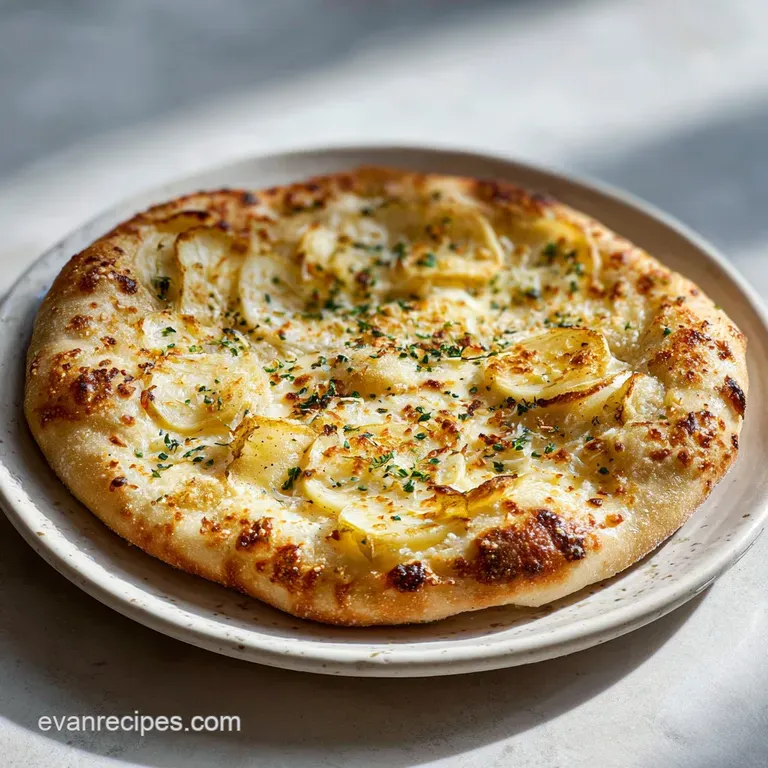
- Infuse the oil. Combine 30g extra virgin olive oil and 4 cloves minced garlic in a small pan over low heat for 3 minutes until fragrant but not browned. Note: Browning the garlic makes it bitter.
- Bloom the yeast. Stir 7g active dry yeast and 5g honey into 350ml warmed water (105°F) and let sit for 5 minutes until a thick foam forms.
- Mix the base. In a large bowl, whisk 500g high protein bread flour with 10g fine sea salt and 5g dried oregano.
- Combine ingredients. Pour the yeast mixture and the cooled garlic oil into the flour. Note: Ensure the oil isn't hot enough to kill the yeast.
- Knead the dough. Work the mixture by hand or mixer for 8 minutes until it becomes smooth and bounces back when poked.
- First proof. Place dough in a lightly oiled bowl, cover with a damp cloth, and let rise for 90 minutes until doubled in size.
- Shape the rounds. Gently punch down the dough and divide into two equal portions. Note: Dividing now allows for a better second rise.
- Second proof. Let the rounds rest on the counter for 30 minutes until they look puffy and relaxed.
- Stretch and bake. Preheat your oven to 500°F (260°C). Stretch the dough into 12 inch circles, add toppings, and bake for 10 minutes until the edges are charred and the bottom is stiff.
Solutions for Dough that Doesn't Cooperate
Why the dough snaps back
If you try to stretch your pizza and it keeps shrinking back like a rubber band, the gluten is simply too tight. This usually happens if the dough hasn't rested long enough after being handled. The proteins are "clenched," and they need time to relax their bonds so you can pull them into a thin sheet.
Why the crust is dense and heavy
A heavy crust usually points to two culprits: dead yeast or under proofing. If your water was too hot (over 120°F), you likely killed the yeast. If the water was too cold, the yeast is just "sleeping" and hasn't produced enough gas to lift the 500g of flour.
| Problem | Root Cause | Solution |
|---|---|---|
| Dough is too sticky | High humidity or over hydration | Add 1 tbsp of flour at a time until it clears the bowl. |
| No air bubbles | Under proofing or old yeast | Ensure a warm, draft free spot and check yeast expiration. |
| Crust is pale | Oven temp too low | Crank the oven to its highest setting (500°F+). |
Common Mistakes Checklist
- ✓ Never skip the 105°F water check; too hot kills, too cold stalls.
- ✓ Don't over flour the work surface; it makes the crust dry and dusty.
- ✓ Let the garlic oil cool completely before adding it to the yeast.
- ✓ Resist the urge to use a rolling pin; it crushes those beautiful air bubbles.
- ✓ Preheat your oven for at least 45 minutes to ensure a deep heat soak.
Scaling Guidelines for Larger Gatherings
When you want to scale this recipe down for a solo night, you can easily halve the ingredients. For the yeast, use about 3.5g (roughly 1.25 teaspoons). I recommend still using a full clove of garlic, as the flavor impact scales differently than the structural ingredients.
Use a smaller bowl for proofing so the dough doesn't dry out in a cavernous space.
Scaling up for a party (2x or 3x) requires a bit more care. While you can double the 500g flour and 350ml water exactly, I usually suggest only increasing the salt and oregano to 1.5x to avoid an overwhelming seasoning profile.
When doubling, the dough will generate more internal heat as it ferments, so it might rise slightly faster than the single batch.
Much like making a batch of my Chewy Chocolate Chip recipe, baking in batches is better than overcrowding the oven. One pizza at a time ensures the heat remains consistent and the crust gets that perfect sizzle.
Debunking Common Dough Misconceptions
One of the biggest myths is that you need to knead dough for 20 minutes to get good gluten. In reality, over kneading can lead to a tough, bread like texture rather than the light artisan structure we want.
Eight to ten minutes is plenty of time for the 500g of high protein flour to develop the necessary strength.
Another misconception is that "sugar kills yeast." While a massive amount of sugar can inhibit yeast through osmotic pressure, the 5g of honey in this recipe actually acts as a stimulant. It provides an immediate energy source that helps the yeast produce CO2 more efficiently in the early stages of the rise.
Preserving Your Dough for Future Feasts
Storage: You can keep the raw dough in the fridge for up to 3 days. Actually, many pros prefer a cold ferment because it allows the enzymes to break down starches into simpler sugars, creating a much more complex flavor. Just make sure it's in a container with plenty of room to grow.
Freezing: This dough freezes beautifully for up to 3 months. After the first rise, coat the dough ball lightly in oil, wrap tightly in plastic, and place in a freezer bag. To use, thaw it in the fridge overnight and let it sit at room temperature for at least 2 hours before stretching.
Zero Waste: Don't toss those crust scraps! If you have leftover dough bits, roll them in a cinnamon sugar mix and fry them in a little butter for a quick "pizza churro." You can also use the leftover garlic infused oil to brush over the crust edges just before serving for an extra flavor punch.
Pairing Your Artisan Pizza for Maximum Comfort
This dough is a flavor powerhouse on its own, so I usually keep the toppings simple. A classic Margherita with fresh mozzarella and basil allows the garlic infused crust to shine. The 5g of dried oregano in the dough provides a bridge to almost any red sauce you choose to use.
If you're looking for a side, a crisp arugula salad with a lemon vinaigrette cuts through the richness of the garlic oil perfectly. For drinks, a dry Chianti or even a cold, hoppy IPA complements the toasted notes of the 500g bread flour.
It's the ultimate way to shut out the world and enjoy a quiet, intentional Friday night in your own kitchen.
Recipe FAQs
What is the 55 rule for pizza dough?
No, there isn't a universal 55 rule here. This recipe relies on 69% hydration (350ml water to 500g flour), which is high for an artisan crust but necessary for the airy crumb.
What is artisan style pizza dough?
It involves high hydration and long, cool fermentation. Artisan dough aims for a complex flavor profile, an open, bubbly internal structure, and a crust that shatters when cut, often achieved using high protein flour.
What's the secret to great pizza dough?
Precisely controlling water temperature and utilizing flavorful fat infusion. Using 105°F water activates the yeast perfectly, and infusing the oil with garlic carries flavor deep into the dough structure.
What pizza place puts garlic on the crust?
Many independent, high end artisan pizzerias do this. This recipe mimics that technique by infusing the olive oil directly into the dough, ensuring the garlic flavor permeates the entire edge rather than just being brushed on top post bake.
How to achieve a crispy bottom crust at home oven temperatures?
Preheat a pizza stone or steel for at least 45 minutes. The stone absorbs massive heat, mimicking the floor of a brick oven, which forces the bottom of the dough to set and crisp instantly when placed on it.
Should I let the dough rest longer than the recipe states if it’s snapping back?
Yes, always allow the dough to rest when it resists stretching. If the dough is too tight, cover it and let it rest at room temperature for an additional 15 to 30 minutes for the gluten to relax.
Is it true you should never use honey in savory dough recipes?
No, this is a common misconception when using small amounts. The 5g of honey here acts primarily as efficient food for the yeast, helping achieve a faster, stronger initial rise before the long fermentation begins.
Artisan Garlic Pizza Dough
Ingredients:
Instructions:
Nutrition Facts:
| Calories | 269 kcal |
|---|---|
| Protein | 8.1 g |
| Fat | 4.4 g |
| Carbs | 47.2 g |
| Fiber | 1.9 g |
| Sugar | 0.8 g |
| Sodium | 495 mg |
